We may earn an affiliate commission when you visit our partners.

Chinese Language Instructor

Save
April 11, 2024 3 minute read

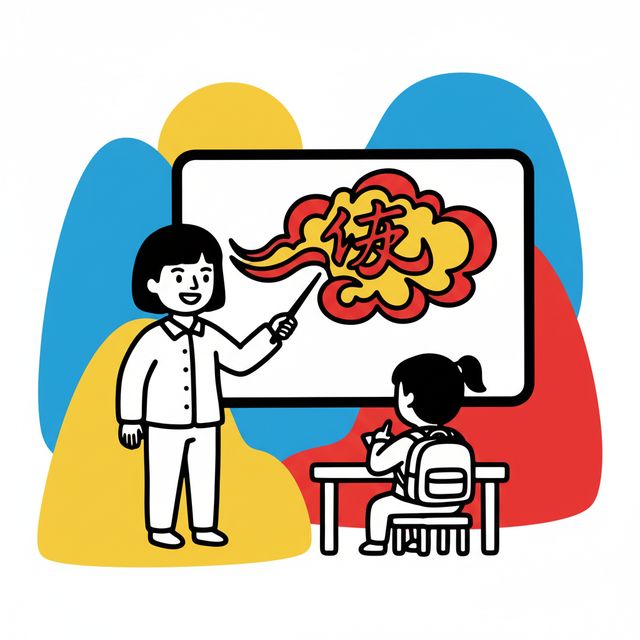
Chinese Language Instructors teach students how to speak, read, and write in the Chinese language. Many of these instructors teach Mandarin Chinese, but it’s possible to teach other dialects of Chinese as well, such as Cantonese. Chinese Language Instructors may work in a variety of different settings, including schools, colleges and universities, community colleges, language schools, and private companies. They typically have at least a bachelor's degree in Chinese language or a related field, and many also have a master's degree or higher.

What Chinese Language Instructors Do

Chinese Language Instructors teach students to develop their reading, writing, speaking and listening skills in Chinese. They typically use a variety of teaching methods, including lectures, discussions, and hands-on activities. Some Chinese Language Instructors may also incorporate cultural components into their lessons, such as teaching students about Chinese history, literature, and art. Chinese Language Instructors may also be responsible for developing and administering tests and assessments to track student progress.

Share

Help others find this career page by sharing it with your friends and followers:

Salaries for Chinese Language Instructor

City
Median
New York
$66,000
San Francisco
$79,000
Seattle
$96,000
See all salaries
City
Median
New York
$66,000
San Francisco
$79,000
Seattle
$96,000
Austin
$68,000
Toronto
$69,000
London
£52,400
Paris
€36,700
Berlin
€60,000
Tel Aviv
₪64,000
Singapore
S$63,000
Beijing
¥160,000
Shanghai
¥120,000
Shenzhen
¥150,000
Bengalaru
₹427,000
Delhi
₹345,000
Bars indicate relevance. All salaries presented are estimates. Completion of this course does not guarantee or imply job placement or career outcomes.

Path to Chinese Language Instructor

Take the first step.
We've curated one courses to help you on your path to Chinese Language Instructor. Use these to develop your skills, build background knowledge, and put what you learn to practice.
Sorted from most relevant to least relevant:

Reading list

We haven't picked any books for this reading list yet.
Provides a comprehensive overview of Chinese characters, covering their origins, structure, and meaning. It valuable resource for anyone who wants to learn more about the Chinese writing system.
This database of over 80,000 Chinese characters. It includes information on their pronunciation, etymology, and usage.
Provides detailed information on the etymology of Chinese characters. It valuable resource for scholars and students of Chinese language and culture.
Comprehensive guide to Chinese characters. It covers everything from the basics of character formation to the more advanced concepts of character etymology.
This popular Chinese dictionary that is widely used in China. It includes over 50,000 characters and phrases.
Collection of over 10,000 Chinese idioms. It includes their meanings, usage, and examples.
Provides a list of the most commonly used Chinese characters. It valuable resource for students and teachers of Chinese.
Classic Chinese dictionary that provides detailed information about the meaning, pronunciation, and usage of Chinese characters. It valuable resource for anyone who wants to learn more about the Chinese language.
Table of Contents
Our mission

OpenCourser helps millions of learners each year. People visit us to learn workspace skills, ace their exams, and nurture their curiosity.

Our extensive catalog contains over 50,000 courses and twice as many books. Browse by search, by topic, or even by career interests. We'll match you to the right resources quickly.

Find this site helpful? Tell a friend about us.

Affiliate disclosure

We're supported by our community of learners. When you purchase or subscribe to courses and programs or purchase books, we may earn a commission from our partners.

Your purchases help us maintain our catalog and keep our servers humming without ads.

Thank you for supporting OpenCourser.

© 2016 - 2025 OpenCourser