We may earn an affiliate commission when you visit our partners.
Course image
Board Infinity

You’ll explore advanced concepts such as dynamic inventories, multi-environment scaling, security automation, compliance enforcement, CI/CD integrations, and governance using Ansible Automation Platform. By mastering these capabilities, you’ll be prepared to tackle enterprise automation challenges, from scaling to thousands of nodes to enforcing security policies across global infrastructure.

By the end of this course, you will be able to:

- Implement dynamic inventory and advanced variable handling.

- Integrate Ansible with CI/CD tools for streamlined automation workflows.

Read more

You’ll explore advanced concepts such as dynamic inventories, multi-environment scaling, security automation, compliance enforcement, CI/CD integrations, and governance using Ansible Automation Platform. By mastering these capabilities, you’ll be prepared to tackle enterprise automation challenges, from scaling to thousands of nodes to enforcing security policies across global infrastructure.

By the end of this course, you will be able to:

- Implement dynamic inventory and advanced variable handling.

- Integrate Ansible with CI/CD tools for streamlined automation workflows.

- Automate security compliance and audit tasks using Ansible.

- Apply Ansible Tower/AAP Controller features for scalable automation governance.

- Design enterprise automation architecture aligned with best practices.

This course is ideal for:

- Experienced IT professionals and system administrators leading automation in large environments.

- DevOps engineers and architects responsible for CI/CD pipelines and infrastructure governance.

- Security engineers aiming to automate compliance and audit processes at scale.

- Teams and leaders looking to design and implement enterprise automation strategies.

Note: This is Course 3 of the specialization series. Learners are expected to have completed the beginner and intermediate courses, or possess equivalent hands-on experience with Ansible.

Disclaimer: This course is an independent educational resource developed by Board Infinity and is not affiliated with, endorsed by, sponsored by, or officially associated with International Business Machines Corporation or any of its subsidiaries or affiliates. This course is not an official preparation material of International Business Machines Corporation. All trademarks, service marks, and company names mentioned are the property of their respective owners and are used for identification purposes only.

Enroll now

What's inside

Syllabus

Dynamic Inventories and Scalable
This module introduces dynamic inventory concepts and enterprise-level architecture design using Ansible Automation Platform. Learners will explore real-world strategies for integrating cloud providers, managing host groups at scale, and architecting robust inventory systems.
Read more

Save this course

Create your own learning path. Save this course to your list so you can find it easily later.
Save

Career center

Learners who complete Enterprise Automation and Advanced Use Cases with Ansible will develop knowledge and skills that may be useful to these careers:

Reading list

We've selected 39 books that we think will supplement your learning. Use these to develop background knowledge, enrich your coursework, and gain a deeper understanding of the topics covered in Enterprise Automation and Advanced Use Cases with Ansible.
Is widely considered a foundational text for anyone starting with Ansible, particularly in a DevOps context. It provides practical examples and guides readers through setting up Ansible and creating playbooks. It's an excellent resource for gaining a broad understanding and serves as a valuable reference for common tasks. The book's hands-on approach makes it useful for both beginners and those looking to solidify their understanding.
Presents the results of a four-year study of high-performing technology organizations. It identifies the key factors that drive success, and it provides a roadmap for organizations that want to improve their performance.
Provides practical guidance on using tools and techniques for automated security testing and scanning within a DevSecOps framework. It's highly relevant for implementing specific automation tasks in the CI/CD pipeline. It offers hands-on knowledge for those looking to automate security testing. Published recently, it covers contemporary tools and techniques.
This handbook provides a step-by-step guide to implementing DevOps in your organization. It covers all aspects of DevOps, from planning to implementation to measurement, and it valuable resource for anyone looking to get started with DevOps.
Another practical guide by Tony Hsu, this book focuses on implementing continuous security in DevOps through hands-on examples. It covers various aspects of integrating security into the pipeline with an emphasis on automation for continuous processes. It's a valuable resource for practitioners. Published recently, it provides up-to-date guidance.
This book, from the MITRE Corporation, outlines strategies for building and operating an effective SOC. It provides a framework and best practices that are highly relevant to implementing and leveraging security automation within a SOC environment. It's a valuable resource for understanding the strategic context of security operations and how automation fits in. The second edition, published in 2022, includes updated strategies.
Specifically focuses on using Ansible for security automation tasks. Ansible popular automation tool, making thpractical guide for implementing automation in a security context. It covers automating various security tasks and provides hands-on examples. This book is highly relevant for those looking to implement automation using a specific tool. Published in 2018, it focuses on a widely used automation platform.
For those looking to deepen their Ansible knowledge, this book delves into more advanced topics and complex automation challenges. The third edition incorporates newer features and provides solutions for real-world problems. It's suitable for users who have a foundational understanding and want to explore more intricate aspects of Ansible.
Focusing on practical applications, this book guides readers in automating infrastructure, managing configuration, and deploying applications using Ansible 2. It provides hands-on examples and covers relevant topics for professionals. The second edition is updated to align with newer versions of Ansible.
Focuses on the strategic and practical aspects of integrating security into the DevOps pipeline, with a strong emphasis on achieving continuous security through automation. It provides a playbook for implementing DevSecOps, which is highly relevant to the application of security automation in a development context. It's a valuable resource for understanding the cultural and process changes needed for effective DevSecOps. Published recently, it reflects current best practices.
This practical guide focuses on using PowerShell for IT automation, covering topics such as scripting, configuration management, and cloud automation.
Aimed at leaders, this book focuses on the strategic implementation of DevSecOps, emphasizing how to integrate security throughout the software development lifecycle using principles that heavily involve automation for continuous security. It's valuable for understanding the leadership and cultural aspects of adopting security automation in a DevSecOps context. Published recently, it offers current perspectives on the topic.
Provides a comprehensive guide to deployment automation, a key part of the DevOps process. It covers the tools, techniques, and best practices for automating deployments, and it valuable resource for anyone looking to improve their deployment process.
Is highly specialized, focusing on automating Juniper Networks devices with Ansible. It's directly relevant to network automation professionals working with Junos. The second edition is updated for recent versions.
With the increasing integration of Ansible and Kubernetes, this book offers practical examples for automating Kubernetes clusters using Ansible. It's valuable for those working with container orchestration and seeking to leverage Ansible's capabilities in this domain.
Provides a collection of case studies from organizations that have successfully implemented DevOps. It covers a wide range of industries and organizational sizes, and it provides valuable insights into the challenges and rewards of DevOps.
Building on the concepts of NSM, this book provides a practical approach to collecting, detecting, and analyzing network security data. This is directly relevant to security automation as it details the inputs and processes that automation can enhance. It offers real-world examples and is valuable for understanding the practicalities of NSM. Published after the initial 'Practice of Network Security Monitoring,' it offers updated perspectives and techniques.
Provides a comprehensive guide to the fundamental concepts of building and operating a Security Operations Center (SOC), which core component of security automation. It covers the people, processes, and technologies involved, offering a broad understanding suitable for those new to the topic. While published in 2015, the foundational principles remain relevant for understanding the environment where security automation is applied. It can serve as a useful reference for establishing a SOC baseline.
Provides a guide to continuous delivery on AWS. It covers the tools, techniques, and best practices for deploying and scaling AWS applications.
Given the course mentions of AWS, this cookbook provides practical examples for automating AWS infrastructure using Ansible. It's a valuable resource for those working in cloud environments and seeking to leverage Ansible for cloud resource management.
Provides a guide to site reliability engineering (SRE), a set of practices that helps organizations build and operate reliable systems. SRE key part of DevOps, and this book provides a valuable introduction to the field.
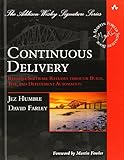
Explores the principles and practices of continuous delivery, which key aspect of IT automation, covering topics such as automated testing, deployment pipelines, and monitoring.
Is specifically aimed at beginners, offering a step-by-step approach to learning Ansible. It's likely to cover the very basics, making it an ideal starting point for individuals with no prior experience in configuration management or automation.
Focusing on Network Security Monitoring (NSM), this book provides essential background knowledge for security automation by explaining how to collect and analyze network data to detect intrusions. Understanding NSM is crucial for automating threat detection and response. Although published in 2013, its principles on data collection and analysis are foundational. It valuable reference for understanding the 'detection' aspect that precedes automation.
Focuses on analyzing network data to build security monitoring solutions, a critical step before automating responses. It provides techniques and approaches for extracting security-relevant information from data, which directly supports the development of effective security automation rules and playbooks. Published in 2014, the data analysis principles remain relevant.
Provides a guide to lean software development, a set of practices that helps organizations deliver software more quickly and efficiently. Lean software development key part of DevOps, and this book provides a valuable introduction to the field.
Another book tailored for beginners, this guide likely provides a comprehensive introduction to Ansible from the ground up. It's suitable for individuals who are completely new to the topic and need a thorough explanation of the core concepts.
This handbook serves as a practical guide for incident response, a key area where security automation is heavily applied. It provides condensed information and procedures that can inform the development of automated response playbooks. While a concise field guide, it's a useful reference for understanding the steps that security automation aims to streamline. Published in 2014, the core incident response principles are still applicable.
This guide aims to simplify Ansible automation, making it accessible to a wider audience. It's likely to focus on clear explanations and straightforward examples, which can be beneficial for beginners or those who prefer a less technical approach initially.
Understanding network traffic is fundamental to security monitoring and automation. provides practical skills in using Wireshark for packet analysis, which key skill for investigating security incidents and understanding the data that security automation processes. It's a valuable hands-on guide for developing foundational skills. Published in 2017, it remains a relevant guide for packet analysis.
Focuses on the implementation of SIEM systems, which are foundational for collecting and analyzing security events that feed into automation workflows. Understanding SIEM is crucial for designing effective security automation. Published in 2010, some specific technologies might be outdated, but the core concepts of SIEM implementation and its role in security operations remain relevant. It serves as valuable background reading.
While not directly about security, this book is an excellent resource for gaining the foundational programming skills necessary for implementing security automation. Python is widely used in security scripting and automation tasks. is ideal for beginners to programming and provides practical examples for automating various tasks, which can be adapted to security contexts. Published in 2019, it recent and highly popular guide for learning Python for automation.
Examines the broader impact of automation and AI on the future of work, exploring the potential implications for employment, society, and the economy.
Provides a strategic framework for digital transformation, covering topics such as customer experience, data analytics, and automation.
For those interested in the offensive side and how automation can be used in adversarial contexts, this book provides insights into using Python for security tasks, including some automation. Understanding offensive techniques can inform defensive automation strategies. Published in 2014, some code examples may require updates, but the concepts of using Python for security scripting are relevant.
While a classic in the broader field of cybersecurity, this book provides foundational knowledge in cryptography, which underpins many security technologies that can be automated. Understanding cryptographic principles is valuable for anyone working in security, including those focusing on automation. Published in 1996, it is considered a classic and is more valuable for historical context and foundational understanding than for contemporary automation techniques.

Share

Help others find this course page by sharing it with your friends and followers:

Similar courses

Here are nine courses similar to Enterprise Automation and Advanced Use Cases with Ansible.
Juniper Networks Automation Using Ansible and the REST...
Most relevant
Write basic ansible playbooks
Most relevant
Automation with Ansible Playbooks - Hands On !!
Most relevant
Master Network Automation with Python for Network...
Most relevant
Jenkins, From Zero To Hero: Become a DevOps Jenkins Master
Most relevant
Automating Networks with Ansible the Right Way
Most relevant
PowerShell 5.1 DevOps Playbook
Most relevant
Mastering Linux Storage Using LVM2
Most relevant
Deploying Network Configuration Management and Telemetry...
Most relevant

Coursera Buyer Protection & Guarantee

Verified partner policies & purchase protections

Accredited University Partner
Free Trial & Audit

7-Day Free Trial & Free Audit

7-day free trial on monthly Coursera Plus subscriptions; free audit option available on most individual courses to explore video lectures and readings at no charge.

Return & Refund Policy

14-Day Refund Guarantee

14-day refund window on annual Coursera Plus subscriptions and single-course purchases prior to certificate issuance. Monthly subscriptions do not offer refunds once billed.

Buyer Protections

Verified Academic & Industry Partner

Accredited university and industry certifications (e.g. Stanford, Google, IBM, Yale), secure SSL payment processing, and verifiable digital certificate links.

Key Purchase Protections
14-day refund window on annual Coursera Plus and single courses
7-day free trial on monthly Coursera Plus subscriptions
Free course audit option for lectures and readings
Verified certificates from top universities & companies
OpenCourser Verified Partner Policy details last reviewed: 2026-10-22
Our mission

OpenCourser helps millions of learners each year. People visit us to learn workspace skills, ace their exams, and nurture their curiosity.

Our extensive catalog contains over 50,000 courses and twice as many books. Browse by search, by topic, or even by career interests. We'll match you to the right resources quickly.

Find this site helpful? Tell a friend about us.

Affiliate disclosure

We're supported by our community of learners. When you purchase or subscribe to courses and programs or purchase books, we may earn a commission from our partners.

Your purchases help us maintain our catalog and keep our servers humming without ads.

Thank you for supporting OpenCourser.

© 2016 - 2025 OpenCourser