We may earn an affiliate commission when you visit our partners.
Course image
EDUCBA

Welcome to our comprehensive course on mastering STM32CubeIDE and C programming for embedded systems development! Throughout this journey, you'll delve into the intricacies of STM32CubeIDE and C programming fundamentals, gaining the ability to navigate this development environment effortlessly.

Starting with 'C' programming basics, you'll grasp concepts such as data types, variables, storage classes, and advance to more complex topics. Dive into the foundational aspects of embedded systems development, including build processes and memory management, crucial for efficient programming.

Read more

Welcome to our comprehensive course on mastering STM32CubeIDE and C programming for embedded systems development! Throughout this journey, you'll delve into the intricacies of STM32CubeIDE and C programming fundamentals, gaining the ability to navigate this development environment effortlessly.

Starting with 'C' programming basics, you'll grasp concepts such as data types, variables, storage classes, and advance to more complex topics. Dive into the foundational aspects of embedded systems development, including build processes and memory management, crucial for efficient programming.

One unique aspect of this course is its emphasis on practical application. You'll learn to leverage microcontrollers effectively, honing your skills in debugging and analysis techniques. By the course's conclusion, you'll emerge with a robust understanding of embedded systems development, equipped with the skills necessary to excel in creating efficient and reliable embedded systems.

Benefit from hands-on experience and expert guidance, and embark on a journey toward becoming a proficient embedded systems developer. Join us and unlock your potential in the exciting world of embedded systems!

Target Learners:

This course is ideal for beginners and intermediate learners aspiring to become proficient in embedded systems development. It is suitable for:

1) Students pursuing degrees in computer science, electrical engineering, or related fields seeking to build a strong foundation in embedded systems.

2) Professionals transitioning into embedded systems development or looking to enhance their skills in this domain.

3) Hobbyists and enthusiasts interested in learning about microcontroller programming and embedded systems design.

Prerequisites:

1) To fully benefit from this course, learners should have:

2) Basic programming knowledge: Familiarity with programming concepts such as variables, loops, functions, and conditional statements is recommended.

3) Understanding of C programming language: While not mandatory, having some prior experience or knowledge of C programming will ease the learning curve.

4) Basic understanding of electronics: A rudimentary understanding of electronic components and circuits will be helpful in comprehending certain concepts related to embedded systems development.

Hardware and software requirements:

HARDWARE

1) STM32F407G-DISC1 DISCOVERY board: This is the main development board for which drivers are developed.

SOFTWARE

1) STM32CUBEIDE - Eclipse based IDE. Provided by ST. Multi OS support (Windows / Linux / Mac) This is available for FREE

Enroll now

What's inside

Syllabus

Embedded Systems Development with STM32CubeIDE and C Programming
Embark on your journey into embedded systems development with our comprehensive module. Define the crucial steps needed to start using STM32CubeIDE proficiently, ensuring you meet the requirements of embedded development seamlessly. Understand the intricacies of setting up your development environment, including compiler installation and project creation, for a smooth workflow. Dive deep into the fundamentals of 'C' programming through engaging exercises and practical tools like OnlineGDB and printf, allowing you to explore the language's core concepts and enhance your coding skills effectively.
Read more

Traffic lights

Read about what's good
what should give you pause
and possible dealbreakers
Provides a comprehensive foundation in embedded systems development using STM32CubeIDE and C programming
Suitable for beginners and intermediate learners aspiring to become proficient in embedded systems development
Delves into practical application, teaching learners to leverage microcontrollers effectively
Experienced instructors provide expert guidance and insights
Requires a basic understanding of electronics and C programming
Recommended hardware and software requirements may pose financial barriers for some learners

Save this course

Create your own learning path. Save this course to your list so you can find it easily later.
Save

Reviews summary

Hands-on embedded c with stm32cubeide

According to learners, this course provides a strong foundation in Embedded C programming and STM32CubeIDE, especially for beginners and hobbyists. Students frequently highlight the instructor's clarity in explaining complex concepts and the invaluable hands-on labs with the STM32F407G-DISC1 board. The course excels in practical application, offering insightful modules on the build process, memory management, and effective debugging techniques that are immediately applicable. While some found the pace sometimes slow for experienced programmers or noted that specific hardware is required, recent feedback indicates a consistently positive experience, affirming its value as a comprehensive introduction to embedded systems development.
Excellent starting point for new embedded learners.
"This course is an excellent starting point for anyone interested in embedded C programming."
"It's perfect for beginners or those new to STM32. Very useful."
"As a hobbyist, this course opened up a whole new world for me."
Teaches effective debugging and memory management.
"Debugging sections were particularly helpful."
"The debugging techniques taught are practical and immediately applicable."
"I gained incredibly insightful knowledge on the build process and memory management."
Strong focus on practical application with hands-on labs.
"The hands-on labs with the STM32F407G-DISC1 board are invaluable and really solidify the theoretical knowledge."
"The real value is in the practical exercises and setting up the dev environment."
"The hands-on approach with the STM32 board was awesome. I really enjoyed getting my hands dirty."
Instructor explains complex technical topics clearly.
"The instructor explains complex concepts with remarkable clarity, making them easy to grasp."
"The instructor simplifies complex topics effectively."
"I found the instructor's explanations to be very clear and easy to follow."
Occasional issues with audio or environment setup.
"While the content tries to be thorough, the audio quality was sometimes poor, and the instructor's accent... made it difficult to follow."
"I also had issues getting my development environment set up correctly on Mac, as most demos seemed Windows-centric."
"The support in the forum was slow."
Requires specific STM32F407G-DISC1 discovery board.
"I found some parts a bit challenging, especially if you don't have the specific hardware board mentioned."
"Having the STM32F407G-DISC1 board was essential, and the instructions for setting it up were clear."
"I appreciate the focus on a specific board (STM32F407G-DISC1) as it keeps things focused, but means you need to acquire it."
May feel too basic for experienced programmers.
"My only minor gripe is that sometimes the pace felt a bit slow for experienced programmers."
"It would be great if they could add more advanced projects later, but for essentials, it's comprehensive."
"I wished for more in-depth theoretical explanations for the 'why' behind certain embedded concepts."

Activities

Be better prepared before your course. Deepen your understanding during and after it. Supplement your coursework and achieve mastery of the topics covered in Embedded C Programming Essentials with these activities:
Organize course materials and notes
Maintain a well-structured and organized collection of course materials, such as notes, assignments, and resources, to facilitate efficient review and retention.
Show steps
  • Gather and categorize course materials
  • Create a system for organizing notes and resources
  • Review and update your compilation regularly
Help other students in the course
Reinforce your own understanding by assisting others, fostering a spirit of collaboration and knowledge sharing among classmates.
Show steps
  • Identify opportunities to assist other students
  • Provide guidance on course concepts and assignments
  • Share your knowledge and experience
Review C programming basics
Brush up on your C programming skills to ensure a solid foundation for this course, enhancing your ability to grasp advanced concepts and apply them effectively.
Browse courses on C Programming
Show steps
  • Review online tutorials or documentation on C programming
  • Practice writing simple C programs
  • Solve coding exercises to test your understanding
Ten other activities
Expand to see all activities and additional details
Show all 13 activities
Attend embedded systems meetups or conferences
Expand your knowledge and connect with professionals in the field by attending embedded systems meetups or conferences.
Browse courses on Embedded Systems
Show steps
  • Research and identify upcoming embedded systems events in your area or online.
  • Register for and attend the events.
  • Engage with speakers, attendees, and exhibitors to learn and network.
Join a study group with other students
Collaborate with peers to discuss course concepts, share knowledge, and enhance your understanding through peer-to-peer learning.
Show steps
  • Find classmates or online communities for study groups
  • Participate in group discussions and Q&A sessions
  • Work together on practice problems and assignments
Review C programming basics
Review the fundamentals of C programming to strengthen your understanding of data types, variables, and control flow.
Browse courses on C Programming
Show steps
  • Go through online tutorials or documentation on C programming basics.
  • Practice writing simple C programs to solidify your understanding.
Explore STM32CubeIDE features
Familiarize yourself with the capabilities of STM32CubeIDE by following guided tutorials to enhance your workflow.
Browse courses on STM32CubeIDE
Show steps
  • Watch video tutorials or read documentation on STM32CubeIDE.
  • Install STM32CubeIDE and set up a project.
  • Explore different features of the IDE, such as the debugger and project manager.
Follow online tutorials on STM32CubeIDE
Enhance your proficiency in STM32CubeIDE by exploring online tutorials and documentation, expanding your knowledge of its features and capabilities.
Show steps
  • Search for reputable tutorials on STM32CubeIDE
  • Follow tutorials step-by-step
  • Experiment with different features and settings
Solve coding challenges in C
Sharpen your C programming skills by solving coding challenges that cover various aspects of the language.
Browse courses on C Programming
Show steps
  • Find online platforms or resources that offer C programming challenges.
  • Choose challenges that match your skill level and gradually increase the difficulty.
  • Analyze the challenges, develop solutions, and test your code.
Practice coding exercises
Complete regular coding exercises to strengthen your 'C' programming skills and understanding of embedded systems development concepts.
Show steps
  • Review C programming basics
  • Solve simple coding exercises
  • Work through progressively challenging exercises
Develop a small embedded system project
Apply your knowledge by creating a small embedded system project using STM32CubeIDE and C programming.
Browse courses on Embedded Systems
Show steps
  • Identify a simple project idea that aligns with your learning goals.
  • Design and implement the project using STM32CubeIDE.
  • Test and debug your project to ensure proper functionality.
Develop a simple embedded systems project using STM32CubeIDE
By creating your own embedded systems project, you'll apply the skills acquired in the course, enhancing your practical understanding and problem-solving abilities.
Show steps
  • Define the project goals and requirements
  • Design and implement the system using STM32CubeIDE
  • Test and debug the project
  • Document the project and share your findings
Read 'Programming Embedded Systems' by Michael Barr
'Programming Embedded Systems' provides valuable insights into fundamental embedded systems concepts, complementing the course materials and enhancing your theoretical understanding.
Show steps
  • Obtain a copy of the book
  • Review key chapters on embedded systems development
  • Comprehend the practical examples and case studies

Career center

Learners who complete Embedded C Programming Essentials will develop knowledge and skills that may be useful to these careers:

Reading list

We've selected 50 books that we think will supplement your learning. Use these to develop background knowledge, enrich your coursework, and gain a deeper understanding of the topics covered in Embedded C Programming Essentials.
Classic guide to debugging. It provides a systematic approach to finding and fixing errors in software. The book is written in a clear and concise style and includes many examples to help illustrate the concepts discussed.
Comprehensive reference guide on memory management. It covers a wide range of topics, from basic concepts to advanced techniques used in modern systems. This book valuable resource for anyone working with memory management.
Considered the "bible" of C programming, this book provides a concise and authoritative introduction to the language by its creators. It is an excellent resource for gaining a foundational understanding, though it covers an older standard of C (ANSI C). It is more valuable as a historical and foundational text than a comprehensive modern reference.
Provides a comprehensive overview of debugging techniques for computer scientists. It covers a wide range of topics, including error detection, localization, and correction. The book is written in a clear and concise style and includes many examples to help illustrate the concepts discussed.
Offers a comprehensive and well-regarded approach to learning C, covering both C89 and C99 standards. It is widely used as a textbook and is suitable for beginners to more advanced students. It provides a solid understanding of the language's features and useful reference.
Addressing the increasingly critical topic of embedded systems security, this book provides practical methods for developing secure embedded software and systems. It covers vulnerabilities, threat analysis, and mitigation techniques. is essential for professionals and advanced students working on embedded systems that require robustness against security threats, adding a crucial contemporary layer to their expertise.
Focused specifically on pointers, this book provides an in-depth explanation of a fundamental and often challenging aspect of C programming. It is valuable for those looking to solidify their understanding of memory management and pointer manipulation.
Save
Provides a comprehensive overview of embedded system design, covering both hardware and software aspects. It includes topics such as microcontroller architecture, software programming, and system integration, making it suitable for students, engineers, and researchers.
Comprehensive guide to memory management in C and C++ programming languages. Written by a highly accomplished game developer, this book will help readers understand the challenges and complexities of implementing memory management techniques in modern C++ and C languages.
Practical guide to debugging software. It provides a step-by-step approach to finding and fixing bugs. The book is written in a clear and concise style and includes many examples to help illustrate the concepts discussed.
Provides a comprehensive overview of microcontrollers, covering topics such as architecture, programming, and applications. It includes both theoretical and practical coverage, making it suitable for students, researchers, and embedded system developers.
Covers the ARM Cortex-M microcontrollers, focusing on their architecture, programming, and embedded system design principles. It provides both theoretical and practical coverage, making it suitable for students, researchers, and embedded system developers.
This practical book guides the reader through implementing and working with Real-Time Operating Systems on microcontrollers. RTOS critical topic for developing responsive embedded systems, and this book provides hands-on experience. It is ideal for those who have a basic understanding of microcontrollers and C programming and want to learn how to use an RTOS effectively. adds significant depth to understanding real-time behavior.
A contemporary guide focusing on the practical use of pointers in C, including memory management and data structures. is excellent for deepening understanding of a core C concept and its modern applications.
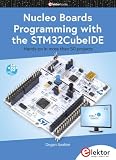
Offers a hands-on approach to learning STM32CubeIDE by working through over 50 projects using Nucleo development boards. It's highly practical for solidifying understanding through application and serves as a useful reference for various peripheral configurations and project examples.
This standard provides a set of guidelines and best practices for writing safe, reliable, and maintainable C code for embedded systems. It valuable reference for embedded software developers at all levels to improve their coding habits. Adhering to a coding standard is crucial in embedded development, and this book offers a widely respected one. It's a practical guide that directly enhances the quality of embedded software.
Focuses on developing embedded systems using Linux, a crucial skill for more complex embedded projects. It covers topics like the Yocto Project and building custom embedded Linux distributions. This book is ideal for those with a foundational understanding of embedded systems and C programming who want to move towards more powerful platforms. It valuable resource for professionals and advanced students, adding breadth to their knowledge in embedded operating systems.
Another book focusing on the practical aspects of implementing machine learning on embedded systems. It covers various techniques and platforms for deploying ML models on resource-constrained devices. is valuable for those wanting to gain hands-on experience in embedded machine learning, complementing theoretical knowledge with practical application. It relevant resource for professionals and researchers in this rapidly evolving area.
Delves into the nuances and intricacies of C, exploring less commonly understood aspects and potential pitfalls. It is best suited for those who have a solid foundation and wish to deepen their understanding of complex C behaviors.
Delves into the theory and implementation of memory management algorithms, including garbage collection, in C and C++. It is suitable for advanced learners interested in the low-level aspects of memory handling.
Foundational text for understanding the principles of embedded software development. It provides a clear introduction to core concepts like real-time operating systems, task management, and inter-task communication. It is particularly useful for students and those new to the field to gain essential prerequisite knowledge before diving into more complex topics. While an older publication, its fundamental concepts remain highly relevant.
Explores C from a modern perspective, incorporating features from C99, C11, and C18. It is suitable for those who have a basic understanding of C and want to learn contemporary practices and language features.
Focuses on the Freescale 9S12 microcontroller and provides a comprehensive overview of its architecture, programming, and real-time interfacing techniques. It includes both theoretical and practical coverage, making it suitable for students, engineers, and researchers.
Comprehensive guide to memory management in the Java programming language. It provides a detailed overview of the Java memory model and includes many practical examples.
This textbook provides a broad overview of embedded computing systems design, covering hardware, software, and co-design principles. It is widely used in academic settings for undergraduate and graduate courses. The book helps solidify a foundational understanding of the entire embedded system design process. It is an excellent resource for students and those seeking a comprehensive academic perspective.
Covers the AVR microcontrollers and provides a comprehensive overview of their architecture, programming, and embedded system design principles. It includes both assembly and C programming, making it suitable for students, engineers, and embedded system developers.
Provides a comprehensive overview of advanced debugging techniques. It covers a wide range of topics, including debugging multi-threaded and distributed programs. The book is written in a clear and concise style and includes many examples to help illustrate the concepts discussed.
Provides a comprehensive overview of debugging techniques. It covers a wide range of topics, including error detection, localization, and correction. The book is written in a clear and concise style and includes many examples to help illustrate the concepts discussed.
This comprehensive book covers the theory and practice of designing and analyzing real-time systems. It delves into scheduling algorithms, timing analysis, and verification techniques. core resource for understanding the principles required to build reliable real-time embedded systems, suitable for graduate students and professionals in safety-critical domains. It provides a deep understanding of the constraints and analysis methods in real-time design.
Using a visually rich and engaging format, this book introduces fundamental C concepts like pointers and memory management. It's excellent for beginners who prefer a more interactive learning style to gain a broad understanding.
A deep dive into the architecture and programming of ARM Cortex-M3 and Cortex-M4 processors, this book is for those looking to significantly deepen their understanding of these specific cores. It valuable reference for experienced embedded engineers working with these processors. The book's detailed coverage makes it suitable for graduate-level study and professional development, adding significant depth for those specializing in ARM-based systems.
Focuses on memory management in embedded systems. It provides practical guidance on how to implement efficient and reliable memory management techniques in resource-constrained environments. This valuable resource for those working with embedded systems.
While not exclusively about C, this book by one of C's creators offers invaluable insights into general programming principles and practices, using examples in C, C++, and Java. It helps solidify understanding of good programming style.
Another key book for understanding and building embedded Linux systems. It provides practical guidance on setting up a development environment and creating embedded Linux distributions. is suitable for those with some embedded background looking to specialize in Linux-based systems. It serves as a useful reference for the build process and components of embedded Linux.
Offers a practical introduction to embedded Linux, focusing on real-world applications and techniques. It good starting point for those new to embedded Linux after gaining foundational embedded knowledge. The book helps solidify understanding through hands-on examples and is suitable for advanced undergraduate students and engineers beginning with embedded Linux.
Explores modern C programming techniques and tools, going beyond the basics to cover topics relevant to contemporary software development. It's suitable for those with some C experience looking to update their skills.
Practical guide to debugging software using Visual Studio. It provides a step-by-step approach to using the debugger and other tools to find and fix bugs. The book is written in a clear and concise style and includes many examples to help illustrate the concepts discussed.
Provides a comprehensive overview of the Rust programming language. It covers a wide range of topics, including debugging in Rust. The book is written in a clear and concise style and includes many examples to help illustrate the concepts discussed.
Provides a deep dive into the ARM Cortex-M architecture, which is fundamental to understanding STM32 microcontrollers. It covers both assembly language and C programming at the register level, offering a comprehensive understanding of how the hardware works. This book is essential for those looking to deepen their understanding beyond high-level abstractions and is often used as a textbook.
Serves as a comprehensive reference for the C language, covering C11. It is not ideal as a primary learning resource but is invaluable for looking up specific syntax, functions, and features to deepen understanding and as a reference tool.
Provides a comprehensive overview of microcontroller programming using the Microchip PIC microcontrollers. It covers both hardware and software aspects, making it suitable for students, engineers, and programmers.
Covers microcontrollers and their interfacing with various peripherals. It provides a practical approach with hands-on examples and exercises, making it suitable for students, engineers, and hobbyists.
Focuses on using UML statecharts for modeling and implementing event-driven embedded systems in C and C++. Statecharts are a powerful tool for designing complex embedded software behavior. This book is useful for those looking to apply model-based design techniques to their embedded projects, suitable for advanced students and professionals. It adds a valuable toolset for managing complexity in embedded software.
Focuses on the 8085/8080 microprocessors and provides a comprehensive overview of their architecture, programming, and interfacing techniques. It includes both theoretical and practical coverage, making it suitable for students, engineers, and researchers.

Share

Help others find this course page by sharing it with your friends and followers:

Similar courses

Here are nine courses similar to Embedded C Programming Essentials.
Microcontroller and Industrial Applications
Most relevant
Introduction to the Internet of Things and Embedded...
Most relevant
Embedded Software and Hardware Architecture
Most relevant
Arm Cortex-M Processors Overview
Most relevant
Programming for the Internet of Things Project
Most relevant
C Programming: Pointers and Memory Management - 4
Most relevant
The Arduino Platform and C Programming
Most relevant
Microcontroller Embedded C Programming: Absolute Beginners
Most relevant
STM32 Nucleo:Mastering SPI LCD Interfacing with STM32...
Most relevant

Coursera Buyer Protection & Guarantee

Verified partner policies & purchase protections

Accredited University Partner
Free Trial & Audit

7-Day Free Trial & Free Audit

7-day free trial on monthly Coursera Plus subscriptions; free audit option available on most individual courses to explore video lectures and readings at no charge.

Return & Refund Policy

14-Day Refund Guarantee

14-day refund window on annual Coursera Plus subscriptions and single-course purchases prior to certificate issuance. Monthly subscriptions do not offer refunds once billed.

Buyer Protections

Verified Academic & Industry Partner

Accredited university and industry certifications (e.g. Stanford, Google, IBM, Yale), secure SSL payment processing, and verifiable digital certificate links.

Key Purchase Protections
14-day refund window on annual Coursera Plus and single courses
7-day free trial on monthly Coursera Plus subscriptions
Free course audit option for lectures and readings
Verified certificates from top universities & companies
OpenCourser Verified Partner Policy details last reviewed: 2026-10-22
Our mission

OpenCourser helps millions of learners each year. People visit us to learn workspace skills, ace their exams, and nurture their curiosity.

Our extensive catalog contains over 50,000 courses and twice as many books. Browse by search, by topic, or even by career interests. We'll match you to the right resources quickly.

Find this site helpful? Tell a friend about us.

Affiliate disclosure

We're supported by our community of learners. When you purchase or subscribe to courses and programs or purchase books, we may earn a commission from our partners.

Your purchases help us maintain our catalog and keep our servers humming without ads.

Thank you for supporting OpenCourser.

© 2016 - 2025 OpenCourser