We may earn an affiliate commission when you visit our partners.
Course image
Subject Matter Expert

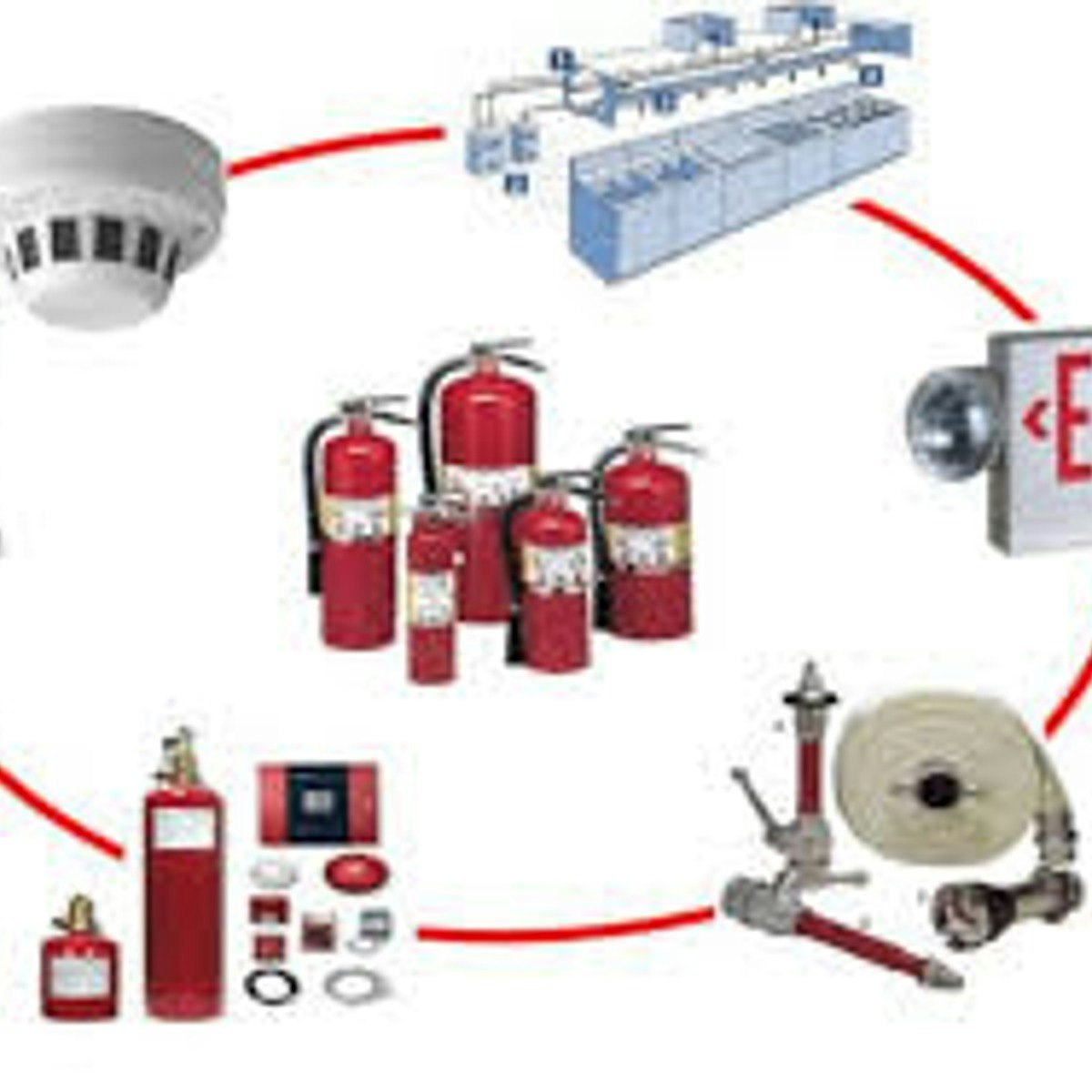
Embark on a comprehensive Fire Protection Systems Course, designed to equip participants with a holistic understanding of cutting-edge fire protection mechanisms. The four modules cover diverse aspects, ranging from traditional sprinkler systems to advanced foam suppression and water-based technologies. As module Sprinkler Systems; discover the backbone of early fire detection and suppression. This module unravels the intricacies of wet and dry sprinkler systems, exploring various sprinkler heads and emphasizing design calculations for efficient water distribution. Installation methods, maintenance practices, and the role of sprinkler systems in proactive fire protection are thoroughly examined, providing participants with a profound understanding of how well-designed systems can minimize the impact of potential fires. Next module Fire Fighting Pipes, Fittings, and Foam Suppression Systems: Dive into the specialized field of foam suppression, highlighting its critical role in combating flammable liquid fires. Participants explore foam working principles, chemical components, and factors influencing selection. The module covers various foam suppression systems, including high-expansion and low-expansion variants, and underscores the importance of pipes and fittings in system performance. This holistic approach equips participants with essential knowledge for practical implementation and maintenance in real-world scenarios.

Read more

Embark on a comprehensive Fire Protection Systems Course, designed to equip participants with a holistic understanding of cutting-edge fire protection mechanisms. The four modules cover diverse aspects, ranging from traditional sprinkler systems to advanced foam suppression and water-based technologies. As module Sprinkler Systems; discover the backbone of early fire detection and suppression. This module unravels the intricacies of wet and dry sprinkler systems, exploring various sprinkler heads and emphasizing design calculations for efficient water distribution. Installation methods, maintenance practices, and the role of sprinkler systems in proactive fire protection are thoroughly examined, providing participants with a profound understanding of how well-designed systems can minimize the impact of potential fires. Next module Fire Fighting Pipes, Fittings, and Foam Suppression Systems: Dive into the specialized field of foam suppression, highlighting its critical role in combating flammable liquid fires. Participants explore foam working principles, chemical components, and factors influencing selection. The module covers various foam suppression systems, including high-expansion and low-expansion variants, and underscores the importance of pipes and fittings in system performance. This holistic approach equips participants with essential knowledge for practical implementation and maintenance in real-world scenarios.

Module Water Spray and Water Mist Systems Explores fire protection mechanisms centered around water-based technologies. Beginning with an Introduction to Water Spray Systems, participants gain foundational insights into their applications and significance in fire suppression. The module covers types, advantages, terminologies, and components of water spray systems. Instructor-led sessions delve into the design considerations, layouts, and hydraulic outputs crucial for optimal performance. The course concludes with an exploration of innovative Water Mist Systems, offering participants a holistic understanding of water-based fire protection.

Module Fire Extinguishers and its Classifications Passionately delve into the intricate details of fire behavior and the fundamental principles governing combustion. Trace the evolution of fire extinguishers, exploring their introduction and history. Comprehensive coverage of Fire Extinguisher Ratings, construction insights, and types ensures participants understand the diverse tools suitable for different fire scenarios. Adherence to Codes, Standards & Installation is emphasized, and practical sessions on selection, location, and coverage empower participants to strategically place firefighting tools. The module concludes with insights into Special Fire Extinguishers and suppression systems, empowering participants to tackle fires in distinct scenarios.

Overall this Fire Protection Systems Course offers a dynamic and practical education in various realms of fire protection. Blending theoretical insights with hands-on experiences, participants emerge with not only knowledge but also a dedicated commitment to effective fire management across diverse contexts. Whether you're a novice or a seasoned professional, this course equips you with the skills and understanding necessary to navigate the complexities of fire scenarios, ensuring readineness and competence in fire prevention and control. Join us on this educational journey to become a proficient guardian against the threat of fires, armed with the latest insights and practical expertise.

Target Learners:

• Fire Safety Professionals and Inspectors

• Undergraduate Students in Fire Safety Engineering, Mechanical Engineering, and Building Management

• Post-Graduate Students specializing in Fire Protection Engineering and Disaster Management

• Practicing Engineers and Technicians in Fire Protection Systems

• Diploma Students in Fire Technology and Safety Management

• Building and Facilities Managers

Enroll now

What's inside

Syllabus

Sprinkler System
The module "Sprinkler System Design and Maintenance" provides a thorough understanding of the vital fire protection mechanism—the sprinkler system. Learners explore its significance in early fire detection and suppression, safeguarding lives and property. They distinguish between wet and dry systems, and study various sprinkler head types. Key components such as sprinkler heads, pipes, valves, and pressure regulators are examined for their roles in efficient water distribution and pressure management. Learners gain insights into design calculations considering occupancy type, hazard classification, and water supply, along with different installation methods. Lastly, they understand the importance of maintenance for system reliability, including regular inspections and testing. This module equips learners with the skills to design and maintain effective sprinkler systems, contributing to proactive fire protection.
Read more

Traffic lights

Read about what's good
what should give you pause
and possible dealbreakers
Demystifies fire protection, making it accessible to a wide audience
Taught by Subject Matter Experts with extensive experience in the field
Provides a comprehensive understanding of cutting-edge fire protection mechanisms
Covers diverse fire protection systems, ranging from traditional sprinkler systems to advanced water-based technologies
Offers practical and theoretical knowledge for different fire scenarios
Empowers learners to become proficient guardians against the threat of fires

Save this course

Create your own learning path. Save this course to your list so you can find it easily later.
Save

Reviews summary

Comprehensive fire protection systems overview

According to learners, this course offers a comprehensive and practical education in various fire protection mechanisms. Many found the content highly relevant for real-world application, particularly praising the detailed coverage of sprinkler and foam suppression systems, as well as fire fighting pipes and fittings. The instructors are frequently highlighted for their knowledge and clarity, making complex topics understandable. While providing a solid foundation for most, a few advanced students felt some topics, like water mist systems, were slightly rushed or desired more advanced calculations. Some older feedback mentioned potentially outdated code information, but recent reviews maintain high satisfaction, indicating continued relevance.
Excellent for new learners but may lack advanced depth.
"Good for beginners and those needing a refresher."
"This course was a bit too basic for my experience level, as I expected more advanced hydraulic calculations."
"Useful for professionals but maybe not deep enough for advanced engineers looking for niche details."
Instructors are praised for their expertise and clear explanations.
"Instructor was very knowledgeable and clear."
"The instructor's dedication shines through."
"The instructors clearly know their stuff, making the content easy to grasp."
Focuses on real-world scenarios and hands-on relevance.
"The practical examples and case studies were extremely helpful."
"Fantastic content, truly equips me for real-world scenarios."
"I learned how to use practical tools and strategies that I could apply immediately to my work."
Provides a holistic understanding of fire protection systems.
"Excellent course! Very comprehensive, covered all the latest standards."
"A solid foundation in fire protection. The explanations for fire extinguisher classifications were very clear."
"This course provides a thorough and holistic understanding of fire protection systems, from design to maintenance."
Certain modules could benefit from more detailed coverage.
"I found the water mist section a bit rushed."
"Some diagrams could be clearer to enhance understanding."
"While comprehensive, a few topics felt slightly brief, deserving more in-depth exploration."
Some aspects may require updates, especially regarding current codes.
"Decent course, but some parts felt a bit outdated or generic, especially regarding codes."
"I would appreciate an update on the latest industry codes and standards."
"The information is largely solid, but a refresh on specific regulations would be beneficial."

Activities

Be better prepared before your course. Deepen your understanding during and after it. Supplement your coursework and achieve mastery of the topics covered in Fire Protection System with these activities:
Organize and Review Course Materials Regularly
Staying organized and reviewing materials regularly helps strengthen your understanding of course concepts and improves retention.
Show steps
  • Create a dedicated study space
  • Keep a binder or digital folder for course materials
  • Review notes, assignments, and quizzes regularly
Review Mechanical Engineering & Physics
Reviewing mechanical engineering and physics will strengthen your foundational knowledge and prepare you for the course material
Browse courses on Dynamics
Show steps
  • Review your notes from previous courses
  • Solve practice problems and review equations
  • Take a practice test or quiz
Review Sprinkler System Fundamentals
Review the fundamentals of sprinkler systems to refresh your knowledge and build a stronger foundation for the course.
Browse courses on Sprinkler Systems
Show steps
  • Read through your notes and textbooks on sprinkler systems.
  • Solve practice problems related to sprinkler system design and calculations.
  • Attend a refresher course or workshop on sprinkler systems.
Five other activities
Expand to see all activities and additional details
Show all eight activities
Discuss Fire Extinguisher Maintenance with Classmates
Peer discussions provide diverse perspectives and enhance understanding of fire extinguisher maintenance, a crucial aspect of fire preparedness.
Show steps
  • Gather a small group of classmates
  • Prepare questions and topics for discussion
  • Facilitate a discussion on fire extinguisher maintenance procedures
Practice Sprinkler System Calculations
Engage in repetitive practice of sprinkler system calculations to improve your problem-solving skills and gain confidence in system design.
Show steps
  • Find a set of sprinkler system calculation problems.
  • Set a timer and solve as many problems as possible within the allotted time.
  • Review your solutions to identify areas for improvement.
Explore Advanced Foam Suppression Systems
Foam suppression systems are vital for combating flammable liquid fires, and this activity encourages you to explore advanced techniques and applications.
Show steps
  • Identify different types of foam concentrates
  • Learn about the principles of foam generation and application
  • Research case studies on successful foam suppression deployments
Attend a Fire Safety Workshop or Seminar
Workshops and seminars provide opportunities to interact with experts, learn about the latest advancements, and enhance your fire safety knowledge practically.
Show steps
  • Research upcoming fire safety workshops or seminars
  • Register for and attend the event
  • Actively participate in discussions and ask questions
Design a Fire Sprinkler System for a Small Building
This challenging activity allows you to apply the concepts learned in the 'Sprinkler Systems' module by designing a sprinkler system for a small building.
Show steps
  • Gather information about the building's layout and occupancy
  • Determine the required water flow rate and pressure
  • Select appropriate sprinkler heads and piping
  • Create a detailed design drawing

Career center

Learners who complete Fire Protection System will develop knowledge and skills that may be useful to these careers:

Reading list

We've selected 50 books that we think will supplement your learning. Use these to develop background knowledge, enrich your coursework, and gain a deeper understanding of the topics covered in Fire Protection System.
This handbook provides comprehensive information on all aspects of fire protection, including fire alarm systems. It is an essential resource for anyone involved in fire protection.
This guide provides comprehensive information on the specification and design of fire alarm systems. It is an essential resource for anyone involved in the design or specification of these systems.
Provides a comprehensive overview of emergency preparedness, covering topics such as emergency planning, food storage, first aid, and disaster response. It is written in a clear and concise style, making it accessible to a wide audience.
Focusing on fire alarm and signaling systems, this handbook provides expert commentary and guidance on NFPA 72. It is essential for understanding the requirements for application, installation, location, performance, testing, and maintenance of these systems. It serves as a key reference for designers, installers, and authorities having jurisdiction.
A comprehensive and authoritative reference covering a wide range of fire protection engineering topics, including sprinkler systems. This handbook must-have for fire protection engineers and researchers, providing in-depth information and the latest research. It's a foundational text in the field.
This is another essential handbook focusing specifically on automatic sprinkler systems, based on NFPA 13. It provides detailed guidance for the design, installation, and testing of these fundamental fire protection systems. It core resource for professionals in this area.
This handbook critical resource for ensuring the ongoing reliability of water-based fire protection systems. It provides detailed requirements and guidance for inspection, testing, and maintenance, which crucial aspect of fire safety. It must-read for professionals involved in the upkeep of these systems.
Provides a comprehensive guide to fire alarm systems. It covers all aspects of these systems, from their history to their design, installation, and maintenance.
Focuses specifically on the hydraulic principles essential for designing fire sprinkler systems. It delves into flow phenomena and helps readers evaluate calculated sprinkler systems, going beyond the NFPA 13 standard to provide in-depth knowledge for professional design. This valuable resource for those looking to deepen their technical understanding.
Provides a comprehensive guide to emergency preparedness, covering topics such as food storage, water purification, first aid, and disaster response. It is written by a team of experts with decades of experience in emergency preparedness.
Provides a comprehensive guide to preparing for and surviving any type of emergency or disaster. It covers topics such as food storage, water purification, first aid, and disaster response.
Explores the principles and application of performance-based fire safety design, an increasingly important approach in the field. It covers design fire scenarios, analysis techniques, and the assessment of design alternatives. It is particularly relevant for advanced students and professionals interested in contemporary fire safety strategies.
Provides comprehensive instructions on first aid techniques for a wide range of injuries and illnesses. It is written by a leading first aid organization and is highly regarded for its accuracy and clarity.
Provides a practical guide to the design, installation, and maintenance of fire alarm systems. It is an essential resource for anyone who works with these systems.
This handbook provides a comprehensive overview of fire alarm systems. It covers all aspects of these systems, from their history to their design, installation, and maintenance.
This guide specifically addresses the process of performance-based fire protection design for buildings. It complements the 'Performance-Based Fire Safety Design' book by providing a detailed methodology and considerations for this approach. It key resource for those practicing or studying performance-based design.
Building codes, such as the IBC, contain essential requirements for fire protection systems in buildings. This handbook provides commentary and explanation of the IBC's fire-related provisions. It crucial reference for architects, engineers, and code officials involved in building design and compliance.
A focused look at the hydraulic principles as they apply specifically to fire sprinkler systems. would be beneficial for those seeking a deeper understanding of the fluid dynamics and calculations involved in sprinkler system design. It complements broader texts on fire protection.
Focuses on the structural aspects of fire safety engineering, detailing how to design structures to withstand fire. It covers material behavior at elevated temperatures and design decisions based on codes like the Eurocodes. It valuable resource for engineers and researchers seeking a deeper understanding of structural fire performance.
While not solely focused on sprinklers, this handbook is crucial for understanding the ongoing care of fire sprinkler systems. It details the requirements for inspection, testing, and maintenance, which is essential for ensuring system reliability and key reference for facility managers and inspectors.
Focuses on the design of various water-based fire protection systems, with a significant portion dedicated to sprinkler systems. It's a valuable resource for engineers and designers working in the fire protection industry. It provides detailed design considerations and approaches.
The NFPA 1 Fire Code sets widely adopted requirements for fire prevention and protection. This handbook provides valuable context and explanations for the code's provisions, including those related to fire protection systems. It key reference for anyone involved in enforcing or complying with fire codes.
This handbook offers a comprehensive international perspective on structural fire engineering, bringing together expertise from around the world. It is valuable for those seeking a global understanding of designing structures for fire resistance and can serve as a key reference for advanced study and practice.
Is specifically designed for health professionals and provides guidance on how to prepare for and respond to disasters and emergencies. It covers topics such as disaster planning, mass casualty management, and infection control.
Provides a comprehensive guide to surviving off the grid, including topics such as finding food and water, building shelter, and treating injuries. It is written by a survival expert with decades of experience.
This handbook specifically addresses sprinkler systems in residential settings, which have different requirements than commercial or industrial applications. It's a crucial resource for understanding the nuances of residential sprinkler design and installation.
This resource, likely based on NFPA 2001, delves into the specifics of clean agent fire extinguishing systems. It is essential for those working with or designing these types of systems, providing requirements for total flooding and local application systems. is highly relevant for understanding a specific type of fire protection technology mentioned in the course list.
Is likely to provide practical guidance and principles for the design of various fire suppression systems, potentially covering water-based, gaseous, and other agents. It would be a valuable resource for students and professionals involved in the actual design work.
Delves into the engineering principles behind designing structures to resist fire. It covers the behavior of different materials under high temperatures and relevant codes and standards. It specialized text suitable for those focusing on the structural aspects of fire protection.
Provides practical guidance on the design and layout of fire sprinkler systems. It useful resource for designers and installers, offering step-by-step approaches and considerations for system layout. It bridges the gap between theoretical knowledge and practical application.
Provides a solid introduction to various fire protection systems, including sprinklers. It's often used as a textbook in academic settings and offers a good overview of the different types of systems and their applications. It's helpful for gaining a broad understanding of the field.
From NFPA covers various water-based fire protection systems, with a significant focus on automatic sprinkler systems. It provides a good overview of the different types of water-based systems and their components. It serves as a valuable reference for understanding the range of water-based solutions.
Understanding fire risk is fundamental to designing effective fire protection systems. This guide provides a framework and methodology for conducting fire risk assessments, which critical step in the fire safety engineering process. It is valuable for professionals involved in risk analysis and performance-based design.
Discusses contemporary approaches to fire protection in modern buildings, including the integration and role of sprinkler systems in performance-based design and life safety. It's relevant for understanding current trends and challenges in fire safety.
Provides guidance on how to prepare for and live off the grid in a crisis situation. It covers topics such as growing food, raising animals, and building a sustainable home.
Focusing on irrigation sprinkler systems, this book covers design and management principles with an emphasis on water conservation. It's suitable for students and professionals in landscape architecture and turf management. It provides a strong foundation for understanding the specific requirements of landscape irrigation.
Offers a foundational understanding of fire protection, covering its history and the basic principles behind various systems. It is an excellent starting point for those new to the field, providing necessary background knowledge before diving into more complex topics. It is suitable for high school and early undergraduate students.
Provides guidance on how to treat injuries and illnesses in the wilderness or during a disaster. It covers topics such as first aid, wound care, and treatment for common medical conditions.
Fire pumps are a critical component of many water-based fire protection systems. This handbook provides the requirements for their installation, a key aspect of system design and reliability. It specialized but important reference for those involved with water supply for fire protection.
Offers a more accessible approach to landscape irrigation design. It's a good resource for those new to the topic, including homeowners and those in introductory landscape design programs. It provides practical guidance for designing effective irrigation systems.
Integrates fire protection engineering principles into the broader context of building design. It discusses how sprinkler systems are incorporated into the overall design process to meet building codes and life safety objectives. It's relevant for architects, engineers, and building professionals.
Covers a range of fire suppression systems, including sprinklers. It provides a broader context of how sprinkler systems fit within the overall landscape of fire suppression technologies. It's useful for gaining a general understanding of different suppression methods.
This textbook focuses on using Revit software for Mechanical, Electrical, and Plumbing (MEP) design, which includes fire protection systems. It's highly relevant for students and professionals learning to design sprinkler systems using Building Information Modeling (BIM) tools. It provides practical, software-specific knowledge.
Portable fire extinguishers are a first line of defense against fires. This handbook covers the requirements for their selection, installation, inspection, testing, and maintenance. While seemingly basic, a thorough understanding of portable extinguishers is part of a comprehensive knowledge of fire protection systems.
While focused on firefighting, this book covers core principles like fire behavior and building construction, which are fundamental to understanding fire protection systems. It provides practical context and insights into how fire affects structures and the systems within them. It can offer valuable supplementary reading for a broader perspective.
While many fire protection systems focus on buildings, this guide addresses fire protection in wildland areas and the wildland-urban interface. It covers different strategies and systems applicable to this specific context, relevant for those interested in a broader scope of fire protection.
A practical guide aimed at homeowners for planning and installing irrigation sprinkler systems. is less technical and more focused on DIY aspects, providing a basic understanding of system components and installation for residential use.

Share

Help others find this course page by sharing it with your friends and followers:

Similar courses

Here are nine courses similar to Fire Protection System.
Revit MEP-Fire Protection System- MEPF
Most relevant
Revit MEP 2024: Became Expert MEP Design Engineer
Most relevant
Mastering Fire Safety Risk Management
Most relevant
Revit MEP 2022 from Zero to Hero
Most relevant
Arduino Based Fire Alarm System
Most relevant
Irrigation 101: Electrical Basics And Irrigation Timers
Most relevant
Clean Agent Fire Protection System based on NFPA 2001
Most relevant
Design of Fire Alarm Systems based on NFPA 72 codes 2022
Most relevant
Fire Analysis of Steel Structures according to Eurocodes
Most relevant

Coursera Buyer Protection & Guarantee

Verified partner policies & purchase protections

Accredited University Partner
Free Trial & Audit

7-Day Free Trial & Free Audit

7-day free trial on monthly Coursera Plus subscriptions; free audit option available on most individual courses to explore video lectures and readings at no charge.

Return & Refund Policy

14-Day Refund Guarantee

14-day refund window on annual Coursera Plus subscriptions and single-course purchases prior to certificate issuance. Monthly subscriptions do not offer refunds once billed.

Buyer Protections

Verified Academic & Industry Partner

Accredited university and industry certifications (e.g. Stanford, Google, IBM, Yale), secure SSL payment processing, and verifiable digital certificate links.

Key Purchase Protections
14-day refund window on annual Coursera Plus and single courses
7-day free trial on monthly Coursera Plus subscriptions
Free course audit option for lectures and readings
Verified certificates from top universities & companies
OpenCourser Verified Partner Policy details last reviewed: 2026-10-22
Our mission

OpenCourser helps millions of learners each year. People visit us to learn workspace skills, ace their exams, and nurture their curiosity.

Our extensive catalog contains over 50,000 courses and twice as many books. Browse by search, by topic, or even by career interests. We'll match you to the right resources quickly.

Find this site helpful? Tell a friend about us.

Affiliate disclosure

We're supported by our community of learners. When you purchase or subscribe to courses and programs or purchase books, we may earn a commission from our partners.

Your purchases help us maintain our catalog and keep our servers humming without ads.

Thank you for supporting OpenCourser.

© 2016 - 2025 OpenCourser