We may earn an affiliate commission when you visit our partners.
Course image
Sharon M. Donovan

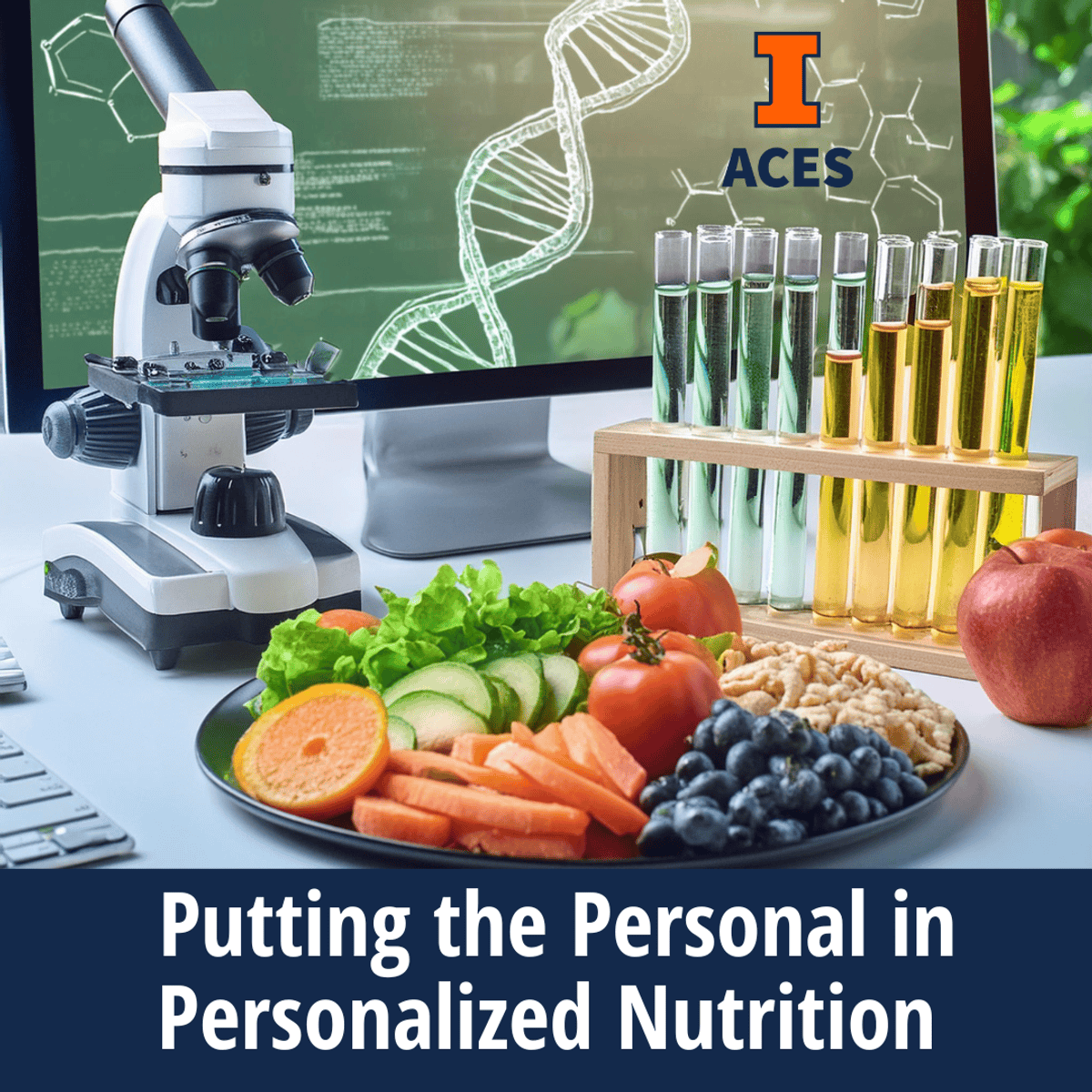
A “one size fits all” approach to nutrition may not work for everyone. We each have unique variations in our genome, epigenome and microbiome, which interact with our external environment to affect how our bodies respond to dietary intake. Learners will exam the basic principles of nutrition, explore the foundational aspects of personalized nutrition, and analyze the research about the roles of genetics and microbiomes in our personalized nutrition journey.

Read more

A “one size fits all” approach to nutrition may not work for everyone. We each have unique variations in our genome, epigenome and microbiome, which interact with our external environment to affect how our bodies respond to dietary intake. Learners will exam the basic principles of nutrition, explore the foundational aspects of personalized nutrition, and analyze the research about the roles of genetics and microbiomes in our personalized nutrition journey.

This course is part of the College of ACES suite of online programs. To learn more about online programs from the College of ACES and explore ways to apply your Coursera work toward a degree program at the University of Illinois, visit ACES Online @ aces.illinois.edu/online.

Enroll now

What's inside

Syllabus

Orientation & Module 1 | Basic Principles of Nutrition
You will become familiar with the course, your classmates, and our learning environment. The orientation will also help you obtain the technical skills required for the course. In the second part of this module, you will explore the basics of nutrition and describe nutrient components. You will differentiate between macro and micronutrients and understand the concept of essential nutrients. Lastly, this module will explore dietary variety and recognize the importance of consuming a diverse range of foods to meet nutrient needs as well as navigating the dietary guidelines.
Read more

Traffic lights

Read about what's good
what should give you pause
and possible dealbreakers
Individuals interested in making informed nutritional choices that align with their unique genetic and microbiomic profile will find this course valuable
Learners exploring the field of personalized nutrition will gain a comprehensive understanding of its principles and applications
Healthcare professionals seeking to incorporate personalized nutrition into their practice may find this course beneficial
Those with no prior background in nutrition may need to supplement their knowledge before taking this course

Save this course

Create your own learning path. Save this course to your list so you can find it easily later.
Save

Reviews summary

Personalized nutrition: genes, gut, and diet

According to learners, this course offers a solid foundational understanding of personalized nutrition, making complex scientific topics accessible. Students consistently praise its well-structured modules and engaging instruction that delve deeply into the fascinating roles of genetics and the microbiome in dietary responses. While many found the insights highly practical for personal health decisions, some noted the pace or depth could be challenging without prior science knowledge, suggesting it might be better suited for those with a scientific curiosity or background. Overall, it's highly recommended for understanding the science behind tailored dietary approaches.
Pacing and depth might vary based on your science background.
"As someone relatively new to biology, I found some sections quite challenging and fast-paced, requiring extra effort."
"I had a background in health sciences, so parts felt like a comprehensive review, but still very valuable."
"For those with less science exposure, be prepared to do some extra reading to fully grasp everything."
Lectures are clear, well-paced, and hold attention.
"The instructors were incredibly engaging and clearly passionate about the subject matter, which made learning enjoyable."
"Their explanations were very clear, making even potentially dry topics interesting and memorable."
"I really enjoyed the lecture style; it kept me motivated to learn throughout the entire course."
Offers insights applicable to personal dietary choices.
"I learned practical strategies to consider for my own nutrition journey, which felt very empowering."
"The course gave me a new perspective on how to think about my diet and unique body's needs."
"It empowered me to make more informed decisions about my health and food choices for my family."
Makes intricate scientific concepts easy to grasp.
"Even without a strong biology background, I could follow the complex concepts presented and connect them to real life."
"The instructors broke down difficult topics into manageable, understandable parts, which was incredibly helpful."
"I appreciate how they translated advanced nutritional science into plain language without oversimplifying."
Provides a strong base in genetics and microbiomes for nutrition.
"I found the course provided an excellent foundation in the underlying scientific principles of personalized nutrition."
"The modules on genetics and the microbiome were particularly insightful and well-explained, truly eye-opening."
"It truly helped me understand how DNA and gut bacteria influence our dietary responses in a scientific way."

Activities

Be better prepared before your course. Deepen your understanding during and after it. Supplement your coursework and achieve mastery of the topics covered in Putting the Personal in Personalized Nutrition with these activities:
Connect with a Registered Dietitian
Expand your professional network and gain valuable insights by connecting with a nutrition expert.
Show steps
  • Attend industry events or webinars.
  • Reach out to registered dietitians through social media or professional networking platforms like LinkedIn.
Organize Your Course Materials
By organizing your course materials, you will have the resources you need for this course in one place and ready to use
Show steps
  • Gather all course materials including lecture notes, readings, and assignments
  • Create a system for organizing your materials either digitally or physically
  • Review your materials regularly and update your organization system as needed
Find a Nutrition Mentor
Having a mentor in the field of nutrition can provide invaluable guidance and support as you navigate your learning journey
Show steps
  • Identify potential mentors at your institution or in professional organizations
  • Contact potential mentors and introduce yourself
  • Establish regular communication and schedule meetings
Seven other activities
Expand to see all activities and additional details
Show all ten activities
Nutrient Identification Practice
Enhance your ability to recognize different types of nutrients and their functions in the body.
Browse courses on Macronutrients
Show steps
  • Review the handout on essential nutrients.
  • Complete a worksheet that includes a list of foods and their nutrient content.
Analyze My Plate Example
Reinforce macro and micronutrient levels in a My Plate-aligned meal by creating a sample menu.
Show steps
  • Choose two meals and one snack from your favorite cuisine.
  • Identify the food groups represented in each meal and snack.
  • Determine if the sample meal includes a variety of food groups and meets the recommended My Plate proportions.
  • Describe how the meal can be adjusted to better align with My Plate recommendations.
DNA Sequencing Basics
Gain foundational knowledge in DNA sequencing techniques and their applications in understanding genetic variation.
Browse courses on DNA Sequencing
Show steps
  • Watch an introductory video on DNA sequencing.
  • Read an article summarizing the basics of DNA sequencing.
  • Explore an interactive tutorial on DNA sequencing using a simulator.
Gene Expression Analysis Discussion
Deepen understanding of gene expression analysis and its role in personalized nutrition by engaging in group discussions.
Browse courses on Gene Expression
Show steps
  • Prepare talking points based on the assigned reading.
  • Participate in a discussion session with peers
  • Summarize key insights and takeaways from the discussion.
Volunteer at a Local Nutrition Organization
Volunteering can help you make a positive impact in your community while gaining practical experience in nutrition
Show steps
  • Identify local nutrition organizations that offer volunteer opportunities
  • Contact the organizations and inquire about volunteer positions
  • Participate in volunteer activities and share your nutrition knowledge
Personalized Nutrition in Practice
Gain practical knowledge of how personalized nutrition is being applied in clinical settings by attending an industry workshop.
Show steps
  • Identify upcoming workshops related to personalized nutrition.
  • Register and attend the workshop.
  • Network with professionals in the field.
  • Apply learnings to your own understanding of personalized nutrition.
Start a Nutrition Blog
Starting a blog will give you an outlet to share your nutrition knowledge, connect with a wider audience, and put your understanding of nutrition into practice
Show steps
  • Choose a blogging platform and set up your blog
  • Develop a content calendar and start writing blog posts
  • Promote your blog and engage with your audience

Career center

Learners who complete Putting the Personal in Personalized Nutrition will develop knowledge and skills that may be useful to these careers:

Reading list

We've selected 50 books that we think will supplement your learning. Use these to develop background knowledge, enrich your coursework, and gain a deeper understanding of the topics covered in Putting the Personal in Personalized Nutrition.
Provides an excellent overview of the microbiome, its role in health and disease, and the potential for microbiome-based therapies. It is written by a leading expert in the field.
This foundational textbook widely used in nutrition and dietetics programs. It provides a comprehensive overview of the nutrition care process, covering assessment, diagnosis, intervention, and monitoring and evaluation. It is an essential reference for students and professionals, offering evidence-based guidelines for nutritional care across the lifespan and for various conditions.
This textbook provides a comprehensive overview of genetics and genomics with a strong focus on their relevance to medicine. It's an excellent resource for medical students and those in related fields, covering fundamental genetic principles, clinical applications, and the impact of genomic technologies on healthcare.
A widely used textbook in medical schools and genetics programs, this book focuses on the principles of human genetics and their application in medicine. It covers Mendelian inheritance, chromosomal disorders, molecular genetics of human disease, and genetic counseling. This core resource for students pursuing careers in healthcare and medical research.
Co-authored by one of the pioneers of CRISPR technology, this book provides an insightful look into the world of gene editing. It discusses the science behind CRISPR and its potential implications for medicine and evolution, while also addressing the ethical considerations. This crucial read for understanding contemporary genetics and the future of genetic engineering.
This textbook provides a detailed and up-to-date account of human molecular genetics. It covers the molecular basis of human genetic variation, disease, and gene therapy. It is an essential resource for students and researchers in human genetics, medical genetics, and molecular biology. is suitable for advanced undergraduate and graduate levels and serves as a key reference in the field.
Explores the critical link between nutrition and sustainable food systems, addressing the environmental and social impacts of food production and consumption. It's essential for understanding contemporary issues in global nutrition.
A highly influential popular science book that presents a gene-centered view of evolution. While not a genetics textbook in the traditional sense, it provides a compelling framework for understanding how genes can influence behavior and evolution. It's an excellent book for gaining a broader perspective on genetics within the context of evolutionary biology and is considered a must-read for anyone interested in the subject.
Provides a comprehensive overview of the microbiome, its role in health and disease, and its potential for therapeutic applications.
Focuses on the clinical applications of microbiome research, providing a comprehensive guide to the use of microbiome-based therapies for a variety of diseases.
Provides an accessible introduction to the field of epigenetics, explaining how gene expression can be modified without alterations to the underlying DNA sequence. It discusses the mechanisms and implications of epigenetics in development, disease, and inheritance. This is an important book for understanding a rapidly evolving area of genetics.
Delves into the complex nature of heredity, moving beyond simple Mendelian inheritance to explore the various ways traits are passed down and the factors that influence them. It covers topics like epigenetics, the microbiome, and the history of heredity research. It's a thought-provoking read for gaining a deeper and more nuanced understanding of inheritance.
This textbook offers a comprehensive introduction to genetics, bridging classical genetics with modern genomics. It's well-regarded for its clear explanations and coverage of a wide range of topics, making it suitable for undergraduate students. It provides a strong foundation for understanding both the basic principles and the application of genomic technologies.
This widely-used textbook provides a broad introduction to genetics, covering both classical and molecular genetics principles. It's well-suited for undergraduate students gaining a fundamental understanding of the subject. The book's clear language and comprehensive coverage make it a solid resource for building a strong base in genetics. It is often used as a core textbook in introductory genetics courses.
A classic in the field of molecular biology, this book provides a comprehensive and detailed exploration of the molecular mechanisms underlying genetic processes. It's suitable for advanced undergraduate and graduate students seeking a deep understanding of DNA replication, transcription, translation, and gene regulation. While foundational, newer editions incorporate contemporary findings, making it a valuable reference.
This handbook offers evidence-based guidance for health professionals working with athletes. It covers timely research and practical information on fueling for performance, recovery, and various sports. It key reference in the field of sports nutrition.
Written by a leading researcher in the field of ancient DNA, this book explores how the study of ancient genomes is revolutionizing our understanding of human history and evolution. It discusses major migrations, interbreeding with extinct human relatives, and the genetic basis of human diversity. is valuable for those interested in the intersection of genetics, anthropology, and archaeology.
Another popular textbook for introductory genetics, this book emphasizes fundamental concepts and their applications. It includes case studies and focuses on making genetics accessible to students. It's a comprehensive resource suitable for undergraduate students and is frequently adopted for genetics courses.
This popular science book explores the human genome by dedicating a chapter to each chromosome. It discusses the genes found on each chromosome and their relation to human traits, diseases, and evolution. It's an engaging read for gaining a broad understanding of the human genome and its significance.
This textbook offers a broad introduction to the principles of human nutrition, covering basic biology, nutrient requirements, and the impact of nutrition on health and disease. It's suitable for students new to the field and provides a solid base for further study.
A comprehensive and detailed textbook covering molecular genetics and genomics. It's a valuable resource for advanced undergraduate and graduate students, delving deep into gene structure, function, and regulation. is often used as a reference and is known for its in-depth coverage of molecular mechanisms. Newer editions are available, but the core content remains highly relevant.
This textbook focuses on the experimental approaches used in modern genetics, integrating classical genetic analysis with genomic approaches. It's suitable for advanced undergraduate students and provides insights into how geneticists design experiments and interpret data. It complements conceptual textbooks by focusing on the practical aspects of genetic research.
Provides a comprehensive overview of the latest nutrition science and how it can be used to prevent and reverse chronic diseases. Greger covers a wide range of topics, from the health benefits of fruits and vegetables to the dangers of processed foods.
Examines the impact of traditional diets on health and genetics, combining modern science with ancestral eating patterns. It offers insights into how dietary choices can influence gene expression and long-term health.
A classic textbook that covers the molecular basis of cell biology, including topics such as DNA replication, transcription, and translation.
This foundational and comprehensive laboratory manual for molecular biology techniques, including many essential to genetics research. While not a textbook for theoretical concepts, it is an indispensable reference for anyone performing experiments in molecular genetics. It provides detailed protocols and background information on a wide range of techniques. crucial reference tool for researchers and advanced students.
A comprehensive textbook that covers all aspects of human nutrition, from the basics of nutrient metabolism to the application of nutritional principles in clinical practice.
Delves into the hidden factors that influence our eating habits, drawing on research in behavioral economics. It's highly relevant for understanding why we make the food choices we do and offers practical tips for mindful eating.
This classic provides a personal and engaging account of the discovery of the structure of DNA. While not a textbook, it offers a unique historical perspective on a pivotal moment in genetics. It's valuable for understanding the scientific process and the personalities involved, providing a human element to the history of the field. is more valuable as additional reading to complement technical knowledge.
A thought-provoking book that critiques the modern Western diet and industrial food system. It encourages a return to simpler, whole foods and offers a common-sense approach to eating. It's a valuable read for understanding the broader context of nutrition.
This textbook presents the basics of nutrition with an emphasis on the underlying science, including anatomy, physiology, and biochemistry. It provides a solid foundation for understanding nutrition concepts.
This cookbook and guide advocates for traditional food preparation techniques and the consumption of nutrient-dense, traditional fats. It offers an alternative perspective to mainstream dietary advice and is considered a classic in the real food movement.
While not solely focused on nutrition science, this book provides crucial context on the societal factors influencing eating behaviors and the prevalence of eating disorders. It's important for a holistic understanding of nutrition and its psychological aspects.
Provides a good base in dietetics, covering fundamental concepts and practical applications. It useful resource for students beginning their studies in nutrition and dietetics.
Provides an overview of the DASH diet, which is designed to help lower blood pressure. The DASH diet is rich in fruits, vegetables, and whole grains, and it is low in sodium.
Presents an updated approach to the low-carbohydrate Atkins diet, explaining the science behind carbohydrate restriction for weight loss and metabolic health. It's relevant for understanding popular dietary approaches.
Provides an overview of the vegetarian diet, including its health benefits and how to get enough protein and other nutrients on a plant-based diet.

Share

Help others find this course page by sharing it with your friends and followers:

Similar courses

Here are nine courses similar to Putting the Personal in Personalized Nutrition.
Dairy Production and Management
Most relevant
Sustainable Food Production Through Livestock Health...
Most relevant
Mind Diet: Feed Your Brain for Peak Performance
Most relevant
DNA Decoded
Most relevant
Nutrition Certification Diploma: Intermittent Fasting
Most relevant
Weight Management: Beyond Balancing Calories
Most relevant
Beginner’s Full Body Workout with Dumbbells
Most relevant
How to Prevent a Relapse
Most relevant
Herbalism :: Medicinal Kitchen Herbs & Spices Certificate
Most relevant

Coursera Buyer Protection & Guarantee

Verified partner policies & purchase protections

Accredited University Partner
Free Trial & Audit

7-Day Free Trial & Free Audit

7-day free trial on monthly Coursera Plus subscriptions; free audit option available on most individual courses to explore video lectures and readings at no charge.

Return & Refund Policy

14-Day Refund Guarantee

14-day refund window on annual Coursera Plus subscriptions and single-course purchases prior to certificate issuance. Monthly subscriptions do not offer refunds once billed.

Buyer Protections

Verified Academic & Industry Partner

Accredited university and industry certifications (e.g. Stanford, Google, IBM, Yale), secure SSL payment processing, and verifiable digital certificate links.

Key Purchase Protections
14-day refund window on annual Coursera Plus and single courses
7-day free trial on monthly Coursera Plus subscriptions
Free course audit option for lectures and readings
Verified certificates from top universities & companies
OpenCourser Verified Partner Policy details last reviewed: 2026-10-22
Our mission

OpenCourser helps millions of learners each year. People visit us to learn workspace skills, ace their exams, and nurture their curiosity.

Our extensive catalog contains over 50,000 courses and twice as many books. Browse by search, by topic, or even by career interests. We'll match you to the right resources quickly.

Find this site helpful? Tell a friend about us.

Affiliate disclosure

We're supported by our community of learners. When you purchase or subscribe to courses and programs or purchase books, we may earn a commission from our partners.

Your purchases help us maintain our catalog and keep our servers humming without ads.

Thank you for supporting OpenCourser.

© 2016 - 2025 OpenCourser