
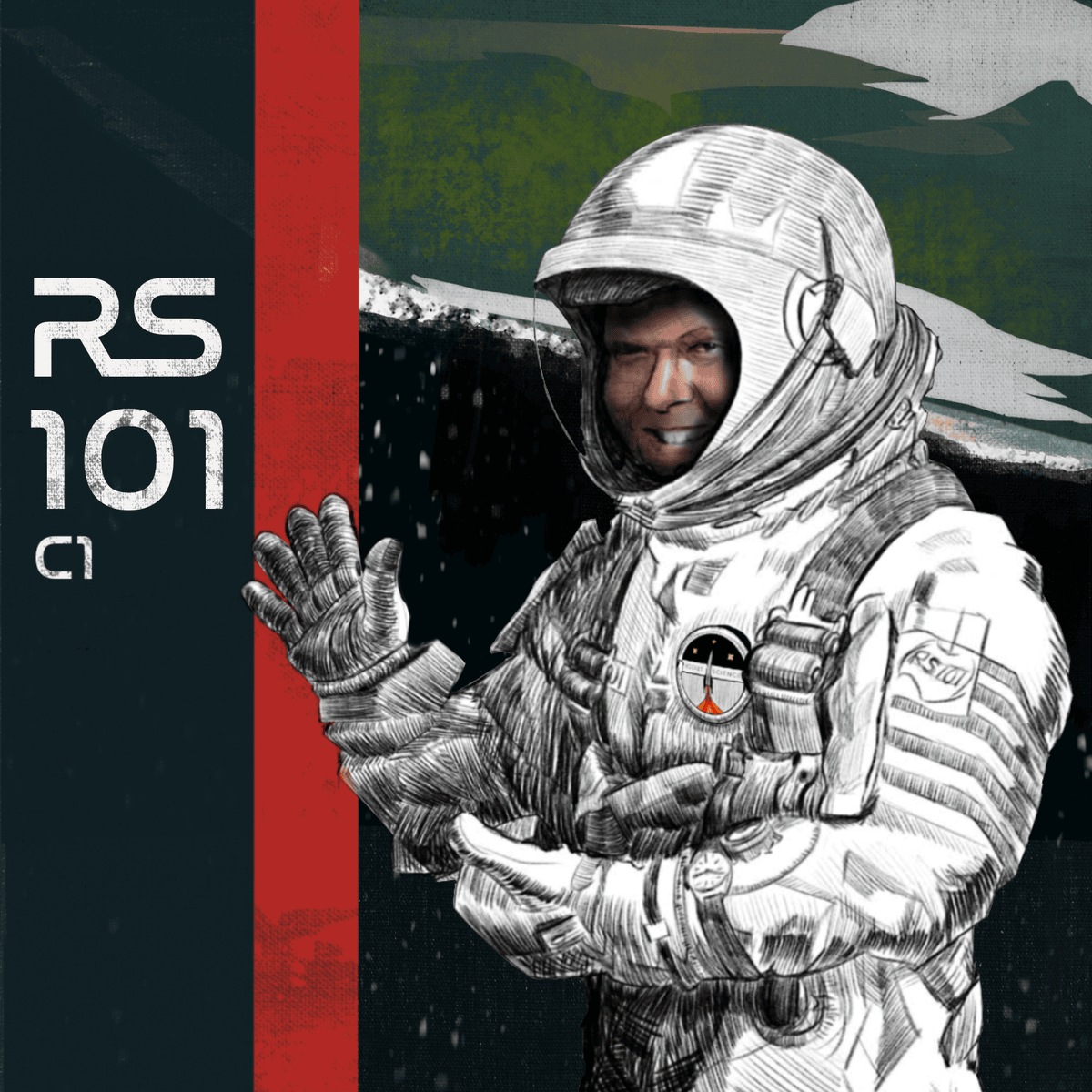

Why are rockets so big? Is there gravity in space? How does a rocket engine even work? In this course, you’ll explore the major concepts of rocket science, including orbital dynamics, velocity, and different types of engines that help propel a rocket out of Earth’s atmosphere. Determine how rocket scientists use formulas and Newton’s laws to propel rockets off the ground and accelerate them to their destination. Explore how and why rockets have stages, including how rocket scientists choose between solid and liquid engines for rockets. With The Basics of Rocket Science, you’ll even get an inside look at how we might get humans to Mars, an advancement in rocket science that could change humanity's future.
Two deals to help you save

 Get offer
Get offer
Get offer
What's inside
Syllabus
Week 1: Motion & Forces
Welcome to the first module of the Basics of Rocket Science course, where we will dive into the fundamental concepts of motion and forces. In this module, we will cover a range of topics, including position, velocity, and acceleration, Newton's Laws and Rocket Science, and the critical concept of thrust. Whether you are an aspiring rocket scientist, aerospace engineer, or simply a curious mind eager to explore the mysteries of space, this module will provide you with a solid foundation to understand the key concepts of motion and forces in the world of rocket science. So, let's strap in and get ready for an exciting journey into the basics of rocket science!
Read more
Syllabus
Traffic lights
Save this course
 Save
Save
Reviews summary
Foundational rocket science for all
 Explores exciting advancements and possibilities in space.
Provides essential groundwork for further study in aerospace.
Makes complex rocket science concepts easy to grasp.
Explores exciting advancements and possibilities in space.
Provides essential groundwork for further study in aerospace.
Makes complex rocket science concepts easy to grasp.
Activities
Review kinematics
Show steps
Review the fundamentals of kinematics to strengthen your understanding of motion and forces.
Browse courses on
Kinematics
Show steps
-
Read through your notes or textbook on kinematics.
-
Solve practice problems related to kinematics.
-
Take a practice quiz or test on kinematics.
Organize and review course materials
Show steps
Organize and review your notes, assignments, and other course materials to reinforce your understanding and prepare for assessments.
Show steps
-
Gather all your course materials, including notes, handouts, assignments, and quizzes.
-
Organize the materials into a logical structure, such as by topic or date.
-
Review the materials regularly to reinforce your learning and identify areas for improvement.
-
Use the organized materials to prepare for assessments and exams.
Join a study group for rocket science
Show steps
Engage with peers in a study group to discuss course concepts, share knowledge, and support each other's learning.
Browse courses on
Rocket Science
Show steps
-
Find or create a study group with classmates or online peers.
-
Meet regularly to discuss course materials, solve problems, and prepare for assessments.
-
Take turns leading discussions and presenting on specific topics.
-
Support each other by sharing resources, answering questions, and providing feedback.
Five other activities
Expand to see all activities and additional details
Show all eight activities
Create a visual guide to rocket engines
Show steps
Create a visual guide to rocket engines to deepen your understanding of their components and operation.
Browse courses on
Rocket Engines
Show steps
-
Gather information about different types of rocket engines.
-
Design a visual representation of a rocket engine, including its components.
-
Label and annotate the diagram to explain the function of each component.
-
Share your visual guide with others for feedback and discussion.
Attend a workshop on rocket propulsion
Show steps
Participate in a workshop to gain hands-on experience with rocket propulsion systems and interact with experts in the field.
Show steps
-
Research and find workshops on rocket propulsion that align with your interests.
-
Register for the workshop and prepare any necessary materials.
-
Attend the workshop, actively participate in discussions, and ask questions.
-
Follow up with the organizers or speakers after the workshop to continue learning.
Solve orbital mechanics problems
Show steps
Practice solving orbital mechanics problems to improve your understanding of orbital dynamics and satellite motion.
Browse courses on
Orbital Mechanics
Show steps
-
Find practice problems related to orbital mechanics.
-
Solve the problems using the appropriate equations and formulas.
-
Check your answers against provided solutions or consult with an expert.
Follow tutorials on advanced rocketry concepts
Show steps
Explore advanced rocketry concepts through guided tutorials to expand your knowledge and stay updated with the latest developments.
Browse courses on
Rocket Science
Show steps
-
Identify reputable sources offering tutorials on advanced rocketry topics.
-
Select a specific topic to focus on, such as ion propulsion or reusable rockets.
-
Follow the tutorials step-by-step, taking notes and asking questions as needed.
-
Apply the knowledge gained to discuss or present on the topic.
Design and simulate a rocket launch using software
Show steps
Apply your knowledge of rocket science to design and simulate a rocket launch using software, testing different parameters and optimizing performance.
Show steps
-
Choose a rocket design software and familiarize yourself with its features.
-
Design a rocket model, including its dimensions, mass, and engine specifications.
-
Set up a simulation environment and define the launch parameters.
-
Run the simulation and analyze the results, such as trajectory, velocity, and acceleration.
-
Iterate on your design and simulation parameters to optimize the rocket's performance.
Review kinematics
Show steps
Review the fundamentals of kinematics to strengthen your understanding of motion and forces.
Browse courses on
Kinematics
Show steps
- Read through your notes or textbook on kinematics.
- Solve practice problems related to kinematics.
- Take a practice quiz or test on kinematics.
Organize and review course materials
Show steps
Organize and review your notes, assignments, and other course materials to reinforce your understanding and prepare for assessments.
Show steps
- Gather all your course materials, including notes, handouts, assignments, and quizzes.
- Organize the materials into a logical structure, such as by topic or date.
- Review the materials regularly to reinforce your learning and identify areas for improvement.
- Use the organized materials to prepare for assessments and exams.
Join a study group for rocket science
Show steps
Engage with peers in a study group to discuss course concepts, share knowledge, and support each other's learning.
Browse courses on
Rocket Science
Show steps
- Find or create a study group with classmates or online peers.
- Meet regularly to discuss course materials, solve problems, and prepare for assessments.
- Take turns leading discussions and presenting on specific topics.
- Support each other by sharing resources, answering questions, and providing feedback.
Create a visual guide to rocket engines
Show steps
Create a visual guide to rocket engines to deepen your understanding of their components and operation.
Browse courses on
Rocket Engines
Show steps
- Gather information about different types of rocket engines.
- Design a visual representation of a rocket engine, including its components.
- Label and annotate the diagram to explain the function of each component.
- Share your visual guide with others for feedback and discussion.
Attend a workshop on rocket propulsion
Show steps
Participate in a workshop to gain hands-on experience with rocket propulsion systems and interact with experts in the field.
Show steps
- Research and find workshops on rocket propulsion that align with your interests.
- Register for the workshop and prepare any necessary materials.
- Attend the workshop, actively participate in discussions, and ask questions.
- Follow up with the organizers or speakers after the workshop to continue learning.
Solve orbital mechanics problems
Show steps
Practice solving orbital mechanics problems to improve your understanding of orbital dynamics and satellite motion.
Browse courses on
Orbital Mechanics
Show steps
- Find practice problems related to orbital mechanics.
- Solve the problems using the appropriate equations and formulas.
- Check your answers against provided solutions or consult with an expert.
Follow tutorials on advanced rocketry concepts
Show steps
Explore advanced rocketry concepts through guided tutorials to expand your knowledge and stay updated with the latest developments.
Browse courses on
Rocket Science
Show steps
- Identify reputable sources offering tutorials on advanced rocketry topics.
- Select a specific topic to focus on, such as ion propulsion or reusable rockets.
- Follow the tutorials step-by-step, taking notes and asking questions as needed.
- Apply the knowledge gained to discuss or present on the topic.
Design and simulate a rocket launch using software
Show steps
Apply your knowledge of rocket science to design and simulate a rocket launch using software, testing different parameters and optimizing performance.
Show steps
- Choose a rocket design software and familiarize yourself with its features.
- Design a rocket model, including its dimensions, mass, and engine specifications.
- Set up a simulation environment and define the launch parameters.
- Run the simulation and analyze the results, such as trajectory, velocity, and acceleration.
- Iterate on your design and simulation parameters to optimize the rocket's performance.
Career center
Rocket Engineer
Astronaut
Mechanical Engineer
Nuclear Engineer
Physicist
Plasma Physicist
Satellite Engineer
Spacecraft Engineer
Systems Engineer
Aerospace Engineer
Teacher
Technical Writer
Science Writer
Patent Attorney
Science Policy Analyst
Reading list
Save
Share


Similar courses


- The Basics of Rocket Science (viewing)
- The History of Rocket Science
- Rocket Science in Everyday Life
OpenCourser helps millions of learners each year. People visit us to learn workspace skills, ace their exams, and nurture their curiosity.
Our extensive catalog contains over 50,000 courses and twice as many books. Browse by search, by topic, or even by career interests. We'll match you to the right resources quickly.
Find this site helpful? Tell a friend about us.
We're supported by our community of learners. When you purchase or subscribe to courses and programs or purchase books, we may earn a commission from our partners.
Your purchases help us maintain our catalog and keep our servers humming without ads.
Thank you for supporting OpenCourser.
