We may earn an affiliate commission when you visit our partners.
Course image
University of Cambridge - Professional and Continuing Education

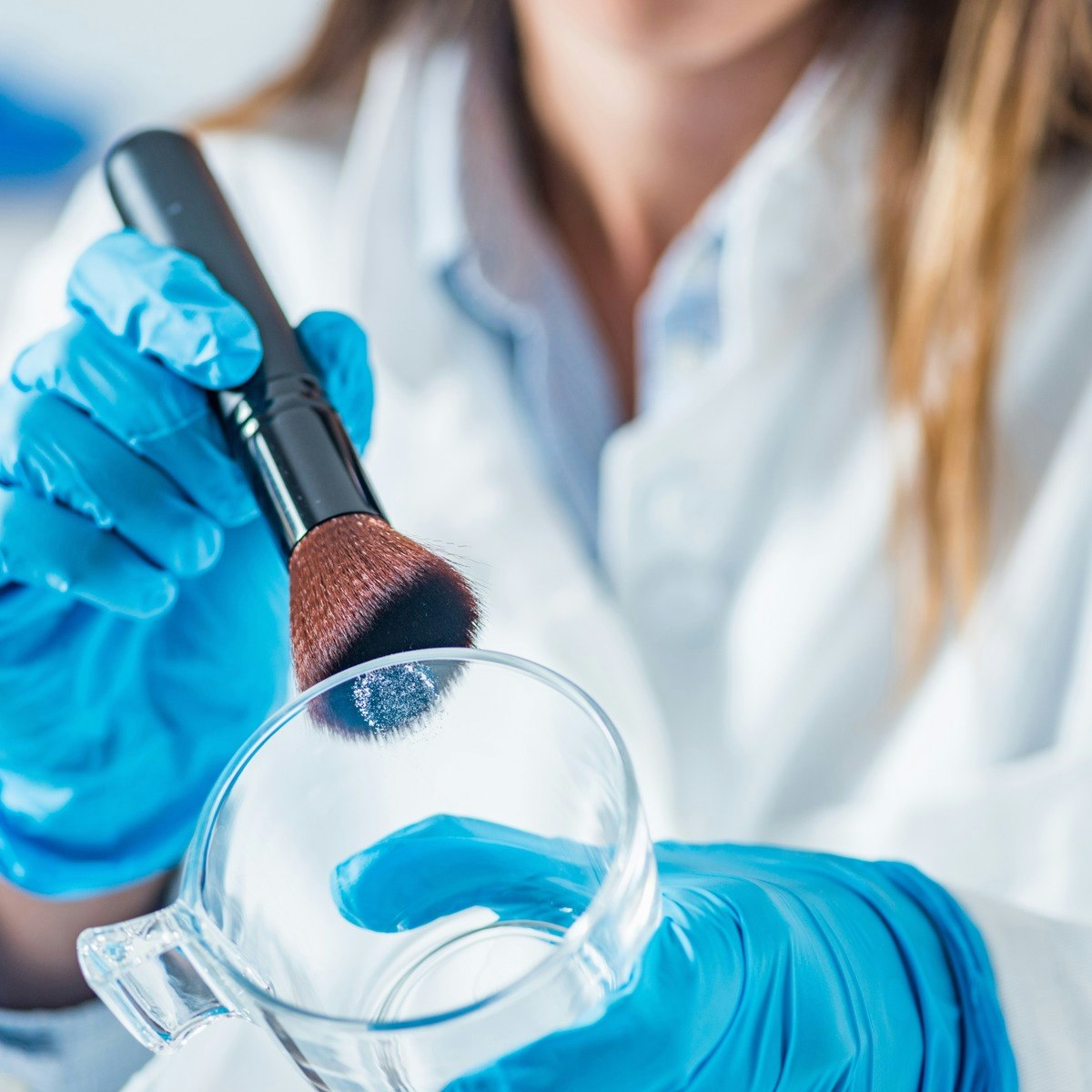
Case studies illustrate how forensic investigations have changed with advances in genetics and how future developments will affect criminals and investigators.

Enroll now

What's inside

Syllabus

Module 1 - Introduction to forensic genetics
The purpose of this module is to introduce learners to the basics of genetics and forensic science.
Read more

Save this course

Create your own learning path. Save this course to your list so you can find it easily later.
Save

Activities

Coming soon We're preparing activities for Forensic Science: DNA Analysis. These are activities you can do either before, during, or after a course.

Career center

Learners who complete Forensic Science: DNA Analysis will develop knowledge and skills that may be useful to these careers:
Forensic Scientist
A Forensic Scientist plays a critical role in solving crimes by analyzing physical evidence, particularly DNA, found at crime scenes. This course, Forensic Science: DNA Analysis, provides an exceptional foundation for aspiring forensic scientists by delving into the basics of genetics and forensic science, directly aligning with the core responsibilities of the role. You will learn to locate, collect, and extract DNA from samples (Module 2), crucial skills for handling evidence expertly. Furthermore, the course examines how to analyze DNA profiles (Module 3) and understand the weight placed on DNA evidence in court, preparing you for potential expert testimony. Discussions on familial searches and future DNA technology (Module 5) offer insights into evolving methodologies, crucial for staying at the forefront of forensic investigations. This comprehensive course prepares you to apply scientific principles to legal questions, making it highly relevant for this impactful career.
DNA Analyst
A DNA Analyst specializes in processing and interpreting genetic evidence from biological samples, often for forensic purposes. The Forensic Science: DNA Analysis course is specifically designed to equip learners with the essential knowledge and skills for a DNA analyst career. It provides a comprehensive understanding of how DNA is collected and extracted from various samples found at crime scenes (Module 2). Furthermore, you will gain expertise in examining and interpreting DNA profiles (Module 3), a core function of this role. The course also addresses the ethical considerations surrounding DNA databases and familial searches (Module 5), preparing you for the nuanced challenges in the field. Understanding the role of DNA in criminal investigations from collection to court implications is paramount, making this course invaluable.
Crime Scene Investigator
A Crime Scene Investigator meticulously processes crime scenes, identifying, documenting, and collecting physical evidence. For individuals aspiring to become a Crime Scene Investigator, this course directly addresses critical aspects of evidence handling, particularly DNA. Module 2 comprehensively covers how DNA is located at a crime scene, the precise techniques for its careful collection, and its subsequent extraction from various samples. Understanding these methodical processes is fundamental to maintaining the integrity of evidence for further laboratory analysis. The course’s case studies illustrate the practical application of forensic investigations, offering real-world context for crime scene work. This specific training in DNA evidence management is vital for ensuring accurate forensic outcomes, starting at the point of discovery.
Forensic Anthropologist
A Forensic Anthropologist applies techniques to identify human remains and contribute to criminal investigations, often in cases of decomposition or fragmentation. For a forensic anthropologist, this course may be highly beneficial, especially Module 4, which specifically examines the use of mitochondrial DNA (mtDNA) in identifying unknown remains. Case examples like the Themes torso and victims of the September 11th World Trade Centre attack demonstrate its practical application in complex identification scenarios. Understanding the basics of genetics and forensic science (Module 1), along with the intricacies of DNA profiling, provides essential context for interpreting genetic findings in human remains. This role typically requires an advanced degree, and this course offers specific, relevant insights into genetic identification.
Laboratory Technician
A Laboratory Technician provides essential support in scientific settings, often performing precise tasks like sample preparation, extraction, and preliminary analysis. This Forensic Science: DNA Analysis course offers highly practical knowledge for an aspiring laboratory technician in a forensic or research environment. Module 2, focusing on how DNA is located, collected, and extracted from samples, directly teaches fundamental laboratory procedures. Understanding these meticulous steps is crucial for ensuring the integrity and quality of samples for downstream analysis. The course's introduction to genetics and forensic science also provides a vital scientific context for the work performed, making a learner well-prepared for the technical demands of a laboratory technician role involving genetic material.
Scientific Writer Forensic Science
A Scientific Writer Forensic Science translates complex scientific findings and methods into clear, accessible language for various audiences, including legal professionals, fellow scientists, and the public. This course provides an exceptionally thorough grounding for a scientific writer specializing in forensic DNA, offering a deep dive into the subject. The comprehensive modules cover everything from the basics of genetics and forensic science (Module 1) to detailed DNA analysis and profiling (Modules 2 and 3). Understanding the nuances of DNA evidence in court and ethical considerations (Modules 3 and 5) is critical for accurate and responsible scientific communication. This course equips you with the detailed knowledge needed to communicate complex forensic DNA topics effectively and accurately.
Legal Analyst
A Legal Analyst researches and analyzes legal issues, often assisting attorneys in case preparation and strategy. For a legal analyst, understanding the scientific underpinnings of forensic evidence is paramount, and this course provides that clarity. Module 3 critically examines the importance placed on DNA evidence by the public and during court cases, directly addressing how it is perceived and presented in legal settings, including its potential misinterpretations. Furthermore, Module 5 delves into the ethical issues surrounding DNA profiles and databases, including familial searches and privacy concerns. This knowledge is crucial for evaluating evidence reliability, challenging forensic findings, or leveraging DNA information effectively in legal arguments, offering a unique advantage in the field.
Forensic Pathologist
A Forensic Pathologist determines the cause and manner of death, often in criminal cases, employing various scientific methods to interpret injuries and conditions. While primarily a medical role requiring an advanced degree (typically an MD), this course may be particularly helpful for a forensic pathologist in understanding the role of DNA evidence within their broader investigations. Module 4 specifically highlights the use of mitochondrial DNA (mtDNA) in identifying unknown remains, providing critical insights into genetic identification techniques. The course’s overview of forensic genetics and DNA profiling (Modules 1 and 3) provides essential context for interpreting genetic reports and integrating DNA findings into overall death investigations. This specialized knowledge can enhance a pathologist's comprehensive approach to forensic cases.
Evidence Custodian
An Evidence Custodian is responsible for the secure storage, tracking, and integrity of physical evidence, including biological samples, from crime scenes through to court proceedings. For an evidence custodian, understanding the critical nature and sensitivity of DNA evidence, as explored in this course, is highly beneficial. Module 2 specifically details how DNA is located and collected at a crime scene, emphasizing the meticulous care required during these initial stages to prevent contamination or degradation. Knowledge of the value and sensitivity of DNA samples, discussed throughout the course, ensures that an evidence custodian implements the strictest protocols for chain of custody and preservation, maintaining the legal admissibility of crucial genetic information.
Public Policy Analyst Scientific Ethics
A Public Policy Analyst Scientific Ethics focuses on developing policies and regulations concerning scientific advancements and their societal implications, particularly in areas like biotechnology. For a public policy analyst in this specialized area, Module 5 of this course is profoundly relevant. It thoroughly examines the ethical issues relating to DNA profiles, including the advantages and potential disadvantages of existing National DNA Databases and the prospect of a Universal DNA database. The module also discusses familial searches, highlighting complex privacy and investigative challenges. Understanding these ethical dilemmas and the future of DNA technology is essential for crafting informed policies that balance public safety with individual rights, impacting future legal and societal frameworks effectively.
Molecular Biologist
A Molecular Biologist studies biological processes at a molecular level, including DNA, RNA, and protein synthesis, to understand life's fundamental mechanisms. This course may be useful for a molecular biologist, particularly its in-depth introduction to genetics (Module 1) and the detailed exploration of DNA analysis techniques (Module 2). While the course specifically applies these principles to forensic science, the foundational knowledge in DNA structure, function, and manipulation is directly transferable to broader molecular biology research. Understanding how DNA is extracted and profiled offers practical insight into molecular methodologies. This foundational course can help build a comprehensive understanding of molecular biology, though an advanced degree is typically required for this research focused role.
Research Scientist (Genetics)
A Research Scientist Genetics conducts experiments and studies to advance understanding in the field of heredity and genetic mechanisms, from basic science to applied research. This course may be helpful for a research scientist in genetics, as it provides a robust introduction to the basics of genetics (Module 1) and delves into various methods of DNA analysis and profiling (Modules 2 and 3). Learning about different types of DNA, such as mitochondrial DNA and plant DNA (Module 4), expands the scope of genetic applications. While the course has a forensic focus, the scientific principles and techniques related to DNA acquisition, analysis, and data interpretation are broadly applicable in genetic research. This role typically requires an advanced degree for independent research.
Bioinformatics Scientist
A Bioinformatics Scientist develops and applies computational tools to analyze large biological datasets, including genetic information, to uncover biological insights. This course may be helpful for a bioinformatics scientist, especially Module 5, which discusses DNA databases and explores their advantages, disadvantages, and the concept of familial searches. Understanding the structure and potential applications of large DNA datasets provides critical context for developing algorithms and analytical pipelines. While the course does not focus on specific computational skills, the insight into how genetic information is generated, organized, and ethically managed within forensic databases is valuable. This role typically requires an advanced degree with strong computational and statistical expertise.
Genetic Counselor
A Genetic Counselor assesses individual or family risk for genetic conditions, providing guidance and support regarding genetic testing and implications, often in healthcare settings. This course may be useful for a genetic counselor, primarily through its foundational introduction to genetics (Module 1) and general understanding of DNA as a biological information carrier. While the course's focus is forensic DNA analysis rather than medical genetics, grasping the fundamentals of DNA structure, inheritance, and various genetic applications can broaden one's perspective on the broader impact of genetic information. Understanding the scientific principles behind DNA analysis can help a genetic counselor contextualize diagnostic tests and scientific reports, though an advanced degree is typically required for this specialized healthcare role.
Criminal Profiler
A Criminal Profiler analyzes behavioral patterns and psychological characteristics of offenders and victims to assist law enforcement in investigations. While not directly focused on DNA analysis, this course may be helpful for a criminal profiler by providing invaluable insight into the nature and application of forensic evidence. Understanding how DNA is located, collected, and analyzed at a crime scene (Module 2) allows a profiler to better interpret forensic reports and understand the limitations or strengths of genetic evidence available. Knowledge of how DNA evidence is perceived in court (Module 3) can also inform investigative strategies and public messaging. This background in forensic science can provide a more comprehensive understanding of crime scene dynamics, complementing behavioral analysis.

Reading list

We haven't picked any books for this reading list yet.
This comprehensive textbook covers all aspects of forensic science, from crime scene investigation to forensic pathology.
This comprehensive encyclopedia provides detailed information on all aspects of forensic science, from the history of the field to the latest scientific techniques.
This introductory textbook provides a broad overview of the field of forensic science, covering a wide range of topics including crime scene investigation, forensic biology, forensic chemistry, and forensic toxicology.
This concise introduction to forensic psychology provides a clear and accessible overview of the field, with a focus on the practical applications of psychology in criminal investigations.
This comprehensive textbook covers all aspects of forensic pathology, from death investigation to forensic anthropology.
Guide for parents who are considering using DNA analysis to identify their children. It covers the legal and ethical issues surrounding DNA analysis, as well as the practical aspects of the technique. It also includes a number of case studies to illustrate the use of DNA analysis in paternity and adoption cases.
Guide to the use of DNA analysis in medical applications. It covers the different types of DNA analysis, the interpretation of DNA analysis results, and the use of DNA analysis in the diagnosis and treatment of a variety of diseases.
Guide for attorneys who use DNA analysis in their work. It covers the legal and ethical issues surrounding DNA analysis, as well as the technical aspects of the technique. It also includes a number of case studies to illustrate the use of DNA analysis in legal proceedings.
Handbook for forensic scientists who use DNA analysis in their work. It covers the legal and ethical issues surrounding DNA analysis, as well as the technical aspects of the technique. It also includes a number of case studies to illustrate the use of DNA analysis in forensic investigations.
Provides a general overview of the use of DNA analysis to identify individuals. It covers the basics of DNA analysis, including the history of the technique, the different types of DNA analysis, and the applications of DNA analysis in forensics and law enforcement.
Review of the literature on DNA analysis. It covers the history of the technique, the different types of DNA analysis, and the applications of DNA analysis in a variety of fields. It also includes a number of case studies to illustrate the use of DNA analysis in real-world situations.
Guide to the use of DNA analysis in forensic analysis. It covers the legal and ethical issues surrounding DNA analysis, as well as the technical aspects of the technique.
Resource for law enforcement officers who use DNA analysis in their work. It covers the legal and ethical issues surrounding DNA analysis, as well as the technical aspects of the technique. It also includes a number of case studies to illustrate the use of DNA analysis in criminal investigations.
Practical guide to DNA analysis. It covers the steps involved in DNA analysis, from the collection of samples to the interpretation of results. It also includes a number of case studies to illustrate the use of DNA analysis in real-world situations.
Guide to the ethical issues surrounding DNA analysis. It covers the legal and ethical issues surrounding DNA analysis, as well as the social and ethical implications of the use of DNA analysis in a variety of contexts.
Written by renowned geneticists, this textbook provides a comprehensive and up-to-date overview of molecular genetics, covering fundamental concepts, techniques, and applications.

Share

Help others find this course page by sharing it with your friends and followers:

Similar courses

Similar courses are unavailable at this time. Please try again later.
Our mission

OpenCourser helps millions of learners each year. People visit us to learn workspace skills, ace their exams, and nurture their curiosity.

Our extensive catalog contains over 50,000 courses and twice as many books. Browse by search, by topic, or even by career interests. We'll match you to the right resources quickly.

Find this site helpful? Tell a friend about us.

Affiliate disclosure

We're supported by our community of learners. When you purchase or subscribe to courses and programs or purchase books, we may earn a commission from our partners.

Your purchases help us maintain our catalog and keep our servers humming without ads.

Thank you for supporting OpenCourser.

© 2016 - 2025 OpenCourser