Sorry, this page is no longer available
We may earn an affiliate commission when you visit our partners.
Course image
Hardik Jeetendra Pandya

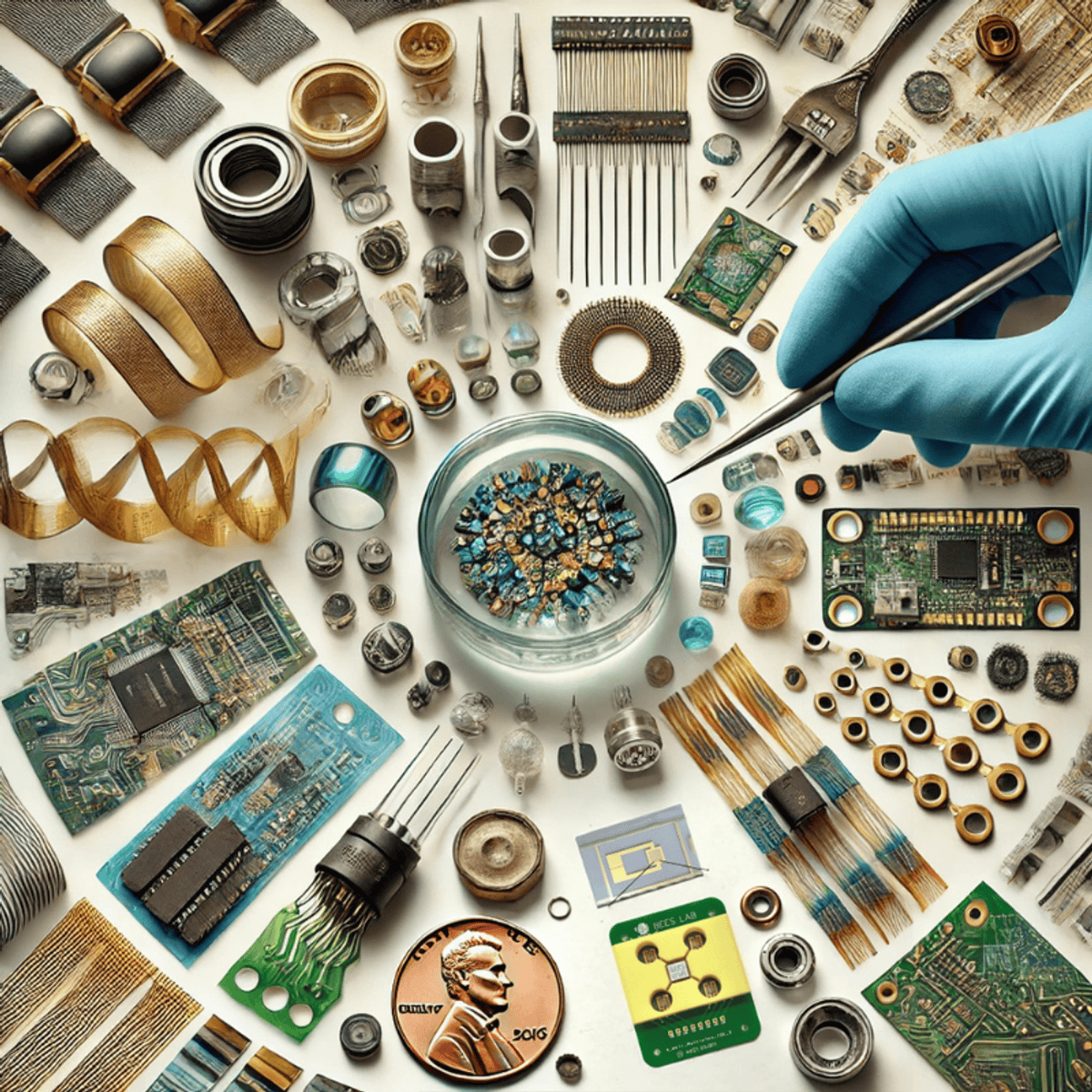
Explore advanced sensor technologies vital to innovative healthcare solutions with our "Sensors and Systems for Biomedical Applications" course. Designed for aspiring professionals in biomedical engineering, healthcare technology, and related fields, this course offers comprehensive knowledge of implantable, diagnostic, and analytical sensor systems.

Read more

Explore advanced sensor technologies vital to innovative healthcare solutions with our "Sensors and Systems for Biomedical Applications" course. Designed for aspiring professionals in biomedical engineering, healthcare technology, and related fields, this course offers comprehensive knowledge of implantable, diagnostic, and analytical sensor systems.

The course encompasses implantable electrodes for neurological conditions such as epilepsy and Parkinson’s disease, material characterisation techniques like IR, UV-Vis, and X-ray spectroscopy, and scanning electron microscopy (SEM). It also includes specialised modules on cancer diagnostic sensors, focusing on breast tissue phenotyping and flexible sensors for detection.

You will gain an understanding of piezoelectric, piezoresistive, temperature, and light-based sensors, including Diffuse Reflectance Spectroscopy and image sensors, and will explore biomedical sensors for glucose, heart rate, ExG, and protein-protein interaction. Additionally, the course highlights the transformative role of artificial intelligence in biomedical applications and provides insights into the regulatory requirements for medical device certification and approval.

This course bridges sensor technology with healthcare applications, preparing you to contribute to innovations in diagnostics, monitoring, and treatment. It equips you with the skills to drive advancements in diagnostics, monitoring, and treatment, making you a valuable asset in the rapidly evolving biomedical field.

Join us to become a leader in healthcare innovation!

Enroll now

Here's a deal for you

Save money when you learn with a deal that may be relevant to this course.
All coupon codes, vouchers, and discounts are applied automatically unless otherwise noted.

What's inside

Syllabus

Implantable Devices for Neurological Disorders and Material Characterization
Welcome to the second course of the three-part Specialization in Sensor Technologies for Biomedical Applications. In this module, you'll explore implantable electrode technology, focusing on design, fabrication, and material characterization. You will understand neural interfacing principles, tackle long-term implantation challenges, and learn techniques to assess biocompatibility and electrochemical properties.
Read more

Traffic lights

Read about what's good
what should give you pause
and possible dealbreakers
Explores implantable electrode technology, which is crucial for addressing neurological conditions like epilepsy and Parkinson's disease, offering specialized knowledge for biomedical applications
Covers material characterization techniques like IR, UV-Vis, and X-ray spectroscopy, which are essential for analyzing and understanding the properties of biomedical materials
Examines specialized sensors for cancer diagnostics, focusing on breast tissue phenotyping and flexible sensor design, which are areas of active research and development
Highlights the transformative role of artificial intelligence in biomedical applications, which is increasingly important for data analysis and personalized healthcare solutions
Provides insights into the regulatory requirements for medical device certification and approval, which is essential for bringing biomedical innovations to market
Requires learners to understand medical device certifications and approvals, providing essential insights into the regulatory requirements for bringing biosensor technologies to market

Save this course

Create your own learning path. Save this course to your list so you can find it easily later.
Save

Reviews summary

Advanced biomedical sensors and systems

According to learners, this course provides a comprehensive overview of advanced sensor technologies for biomedical applications. Students highlight the coverage of topics like implantable devices, diagnostics, and AI integration as being highly relevant for careers in the field. However, some prospective students should be aware that the material can be quite challenging and may require significant prior knowledge in related engineering or biological sciences. The pace is sometimes described as fast, which could pose a warning for absolute beginners. Despite the difficulty, many appreciate the breadth of subjects covered, from material characterization to medical device regulations, finding it a valuable part of the specialization.
Content directly applicable to the field.
"The topics covered feel very relevant to current trends in biomedical technology."
"I can see how the knowledge gained from this course applies directly to my career goals in this area."
"Provides good insight into real-world applications and crucial aspects like medical device regulations."
Explores wide range of relevant sensor tech.
"I appreciated the breadth of topics covered, from implantable devices to AI in diagnostics."
"This course gave me a good overview of different sensor types and their applications relevant to the biomedical field."
"It touched upon important areas like spectroscopy techniques and regulatory requirements for medical devices."
Lectures and assignments can be dense.
"Some sections felt quite rushed, making it hard to absorb all the details properly."
"The assignments were quite demanding and often required significant extra research or prior understanding."
"It's a dense course; prospective students should be prepared to put in significant effort beyond just watching lectures."
Challenging if new to the biomedical field.
"Found this course difficult without a strong prior background in engineering or biology."
"The material assumes you already know a lot about the fundamental principles."
"Some lectures were hard to follow because they jumped quickly into complex topics without reviewing basics."

Activities

Be better prepared before your course. Deepen your understanding during and after it. Supplement your coursework and achieve mastery of the topics covered in Sensors and Systems for Biomedical Applications with these activities:
Review Basic Electronics Concepts
Reinforce your understanding of fundamental electronics concepts to better grasp the sensor circuitry and signal processing aspects covered in the course.
Browse courses on Operational Amplifiers
Show steps
  • Review basic circuit components and their functions.
  • Practice analyzing simple circuits using Ohm's Law and Kirchhoff's Laws.
  • Familiarize yourself with operational amplifiers and their common configurations.
Review 'Principles of Biomedical Instrumentation and Measurement'
Gain a deeper understanding of the principles behind biomedical instrumentation and measurement techniques.
View Melania on Amazon
Show steps
  • Read the chapters related to sensor principles and measurement techniques.
  • Focus on sections covering signal conditioning and data acquisition.
  • Review case studies of biomedical instrumentation applications.
Follow Online Tutorials on Sensor Fabrication
Enhance your practical understanding of sensor fabrication techniques through hands-on tutorials.
Show steps
  • Search for online tutorials on microfabrication techniques.
  • Follow tutorials on creating thin films and microstructures.
  • Document the process and results of each tutorial.
Four other activities
Expand to see all activities and additional details
Show all seven activities
Review 'Biosensors: Sense and Sensibility'
Gain a comprehensive understanding of biosensor technology, covering principles, design, and applications.
View Melania on Amazon
Show steps
  • Read the chapters related to biosensor design and applications.
  • Focus on sections covering different biosensing mechanisms.
  • Review case studies of biosensors in healthcare.
Design a Conceptual Biosensor for Glucose Monitoring
Apply your knowledge to design a conceptual biosensor for glucose monitoring, reinforcing your understanding of sensor principles and applications.
Show steps
  • Research existing glucose biosensors and their working principles.
  • Design a novel biosensor concept, specifying the sensing element and transduction mechanism.
  • Create a schematic diagram of the biosensor and its associated circuitry.
  • Write a brief report outlining the design and its advantages.
Create a Presentation on Medical Device Certification
Deepen your understanding of medical device certification processes by creating a presentation summarizing the key regulatory requirements.
Show steps
  • Research the regulatory requirements for medical device certification in different regions.
  • Summarize the key steps in the certification process.
  • Create a presentation outlining the regulatory landscape and certification requirements.
Develop a Data Visualization of Sensor Performance Metrics
Enhance your data analysis skills by creating a data visualization of sensor performance metrics, such as sensitivity, specificity, and accuracy.
Show steps
  • Gather data on sensor performance metrics from research papers or datasheets.
  • Choose a suitable data visualization tool (e.g., Python with Matplotlib or Seaborn).
  • Create visualizations to compare the performance of different sensors.
  • Write a report summarizing the findings and insights from the visualizations.

Career center

Learners who complete Sensors and Systems for Biomedical Applications will develop knowledge and skills that may be useful to these careers:
Biomedical Engineer
A Biomedical Engineer improves healthcare by designing and developing medical devices and equipment. This multifaceted role may involve creating sophisticated sensor systems for diagnostics, prosthetics, or therapeutic applications. The "Sensors and Systems for Biomedical Applications" course directly aligns with this career through its focus on implantable electrodes, cancer diagnostic sensors, and various sensor technologies for monitoring physiological parameters. This course helps build a foundation in the material characterization techniques such as IR, UV-Vis, and X-ray spectroscopy, along with expertise in piezoelectric, piezoresistive, and light-based sensors. The course’s modules on medical device certification and approvals help prepare Biomedical Engineers to navigate the regulatory landscape effectively.
Medical Device Developer
A Medical Device Developer designs, develops, and tests medical devices, frequently specializing in sensor-based technologies. This role involves creating innovative solutions for diagnostics, monitoring, and treatment—areas directly addressed in the "Sensors and Systems for Biomedical Applications" course. The course's comprehensive modules on implantable devices, cancer diagnostic sensors, and various biosensors enhance skills essential for a medical device developer. Furthermore, the course offers insights into medical device certifications and approvals, which are critical for bringing new devices to market. Knowledge of neural interfacing principles and long-term implantation challenges helps in developing advanced medical devices.
Sensor Design Engineer
A Sensor Design Engineer specializes in the design, development, and testing of sensor technologies for various applications, including biomedical ones. This role requires expertise in sensor principles, material characterization, and data analysis. The "Sensors and Systems for Biomedical Applications" course helps build a solid foundation, particularly with its focus on implantable electrodes, cancer diagnostic sensors, and sensors for monitoring physiological parameters. Knowledge of piezoelectric, piezoresistive, and light-based sensors is invaluable. An aspiring Sensor Design Engineer benefits from modules covering material characterization techniques (IR, UV-Vis, X-ray spectroscopy) and the integration of artificial intelligence for enhanced diagnostic accuracy.
Healthcare Technology Specialist
A Healthcare Technology Specialist implements and manages technology solutions within healthcare settings. This role requires a broad understanding of medical devices, sensor systems, and data analysis techniques. The "Sensors and Systems for Biomedical Applications" course significantly contributes to a specialist's knowledge base, specifically regarding sensor technologies applicable to diagnostics, monitoring, and treatment. The course equips individuals with insights into implantable devices, cancer diagnostic sensors, and light-based sensors for various health parameters. The course’s exploration of artificial intelligence applications in healthcare may be useful, enhancing the ability to optimize sensor data analysis and personalize healthcare solutions.
Regulatory Affairs Specialist
A Regulatory Affairs Specialist ensures that medical devices and healthcare technologies comply with relevant regulations and standards. This role demands a thorough understanding of regulatory requirements and approval processes. The "Sensors and Systems for Biomedical Applications" course helps build a foundation in this area, particularly with its module on medical device certifications and approvals. This module provides essential insights into the regulatory landscape for bringing biosensor technologies to market. The Regulatory Affair Specialist will better understand the technical aspects of sensor technologies.
Product Manager
A Product Manager oversees the development, launch, and lifecycle of a product, often in the medical device or healthcare technology sector. This role requires a blend of technical understanding, market awareness, and strategic thinking. The "Sensors and Systems for Biomedical Applications" course is directly applicable, providing insights into the technical aspects of sensor technologies for diagnostics, monitoring, and treatment. Specifically, the course's modules on implantable devices, cancer diagnostic sensors, and medical device certifications offer valuable context for product strategy decisions. Understanding the regulatory requirements for medical device approval will certainly help when bringing new biosensor technologies to market.
AI in Medicine Consultant
The AI in Medicine Consultant role helps healthcare providers integrate AI-driven solutions for diagnostics, treatment, and personalized care. The "Sensors and Systems for Biomedical Applications" course builds a foundation in understanding sensor technologies and their applications in healthcare. An AI in Medicine Consultant may find the course's modules on AI-enhanced diagnostic accuracy and sensor data analysis relevant. Knowledge of neural interfacing principles, biosensors, and data interpretation will greatly help with the application of these technologies.
Application Engineer
An Application Engineer provides technical support and expertise to customers using sensor technologies and medical devices. The "Sensors and Systems for Biomedical Applications" course helps build a strong understanding of sensor principles, material characterization, and applications in healthcare. The Application Engineer role may be especially enabled by the course’s module on applying sensors for ex-vivo breast tissue phenotyping and developing flexible sensors for diagnosis. Understanding the interplay between light and sensor technology will equip you with the knowledge to apply these concepts in real-world biomedical applications.
Research Scientist
A Research Scientist investigates scientific questions, often relating to biomedical applications and sensor technologies. This role generally requires an advanced degree. The "Sensors and Systems for Biomedical Applications" course may be useful in augmenting a foundation in sensor design, function, and application. A prospective Research Scientist may find the course's modules on implantable devices for neurological disorders, and cancer diagnostic sensors directly applicable to research endeavors. The course's exploration of biosensors, protein-protein interactions, and medical device standards helps foster a deeper understanding of the field. The course could also help develop ex-vivo breast tissue phenotyping and flexible sensors.
Nanotechnology Engineer
A Nanotechnology Engineer develops and applies nanoscale technologies in various fields, including biomedical applications. An advanced degree is generally required. The "Sensors and Systems for Biomedical Applications" course may be useful to their work due to its modules on biosensors, protein-protein interactions and disease mechanisms. A module on integrating biosensors with printed circuit boards PCBs may also be helpful. The Nanotechnology Engineer role is focused on using extremely small things to solve big problems.
Biomaterials Scientist
A Biomaterials Scientist researches and develops materials for use in medical devices and implants, focusing on biocompatibility and performance. An advanced degree is generally required. The "Sensors and Systems for Biomedical Applications" course focuses on material characterization techniques like IR, UV-Vis and X-ray spectroscopy, as well as biocompatibility assesment that may be useful to their work. An aspiring Biomaterials Scientist may find the course's modules on implantable electrode technology and long-term implantation challenges directly applicable to research endeavors. The course enables a deeper understanding of the sensor technologies they are applying materials to.
Data Scientist
A Data Scientist analyzes large datasets to extract meaningful insights, often in the context of healthcare or biomedical research. This role requires expertise in statistical analysis, machine learning, and data visualization. The "Sensors and Systems for Biomedical Applications" course may be useful due to its coverage of artificial intelligence applications in biomedical diagnostics. Specifically, a Data Scientist may find the course's modules on AI-enhanced diagnostic accuracy and sensor data analysis relevant. Understanding the technical aspects of sensor technologies helps in interpreting and analyzing data generated by these devices. This understanding will greatly improve their analysis.
Clinical Engineer
A Clinical Engineer applies engineering principles to healthcare delivery, focusing on the management and maintenance of medical equipment. This role involves ensuring the safety and effectiveness of medical devices within a clinical setting. The "Sensors and Systems for Biomedical Applications" course may be useful by helping to deepen the Clinical Engineer's understanding of the technologies they manage. Specifically, the course's modules on implantable devices, sensor technologies for diagnostics, and medical device standards are relevant. The course’s insights into material characterization techniques and the integration of biosensors with PCBs enhances proficiency in managing complex medical devices.
Quality Assurance Manager
A Quality Assurance Manager ensures that medical devices and healthcare technologies meet quality standards throughout the product lifecycle. The "Sensors and Systems for Biomedical Applications" course may be useful to their work, particularly with its module on medical device certifications and approvals. Knowledge of sensor technologies and their applications in diagnostics and monitoring helps in assessing product quality. This helps the Quality Assurance Manager to establish robust quality control procedures that ensure compliance with regulatory requirements.
Medical Writer
A Medical Writer creates clear and concise documentation for medical devices, regulatory submissions, and scientific publications. The "Sensors and Systems for Biomedical Applications" course helps build a strong foundation in sensor technologies and their applications in healthcare. The Medical Writer role can be improved by the course’s modules on medical device certifications and approvals, which will aid in regulatory submissions. The Medical Writer can better understand the underlying science behind diagnostics due to this course.

Reading list

We've selected one books that we think will supplement your learning. Use these to develop background knowledge, enrich your coursework, and gain a deeper understanding of the topics covered in Sensors and Systems for Biomedical Applications.

Share

Help others find this course page by sharing it with your friends and followers:

Similar courses

Similar courses are unavailable at this time. Please try again later.
Our mission

OpenCourser helps millions of learners each year. People visit us to learn workspace skills, ace their exams, and nurture their curiosity.

Our extensive catalog contains over 50,000 courses and twice as many books. Browse by search, by topic, or even by career interests. We'll match you to the right resources quickly.

Find this site helpful? Tell a friend about us.

Affiliate disclosure

We're supported by our community of learners. When you purchase or subscribe to courses and programs or purchase books, we may earn a commission from our partners.

Your purchases help us maintain our catalog and keep our servers humming without ads.

Thank you for supporting OpenCourser.

© 2016 - 2025 OpenCourser