We may earn an affiliate commission when you visit our partners.
Course image
Michael Whitman, Ph.D., CISM, CISSP, Herbert J. Mattord, Ph.D., CISM, CISSP, CDP, Dr. Humayun Zafar, CEH, CISM, CRISC, PCIP, and Andy Green, Ph.D.

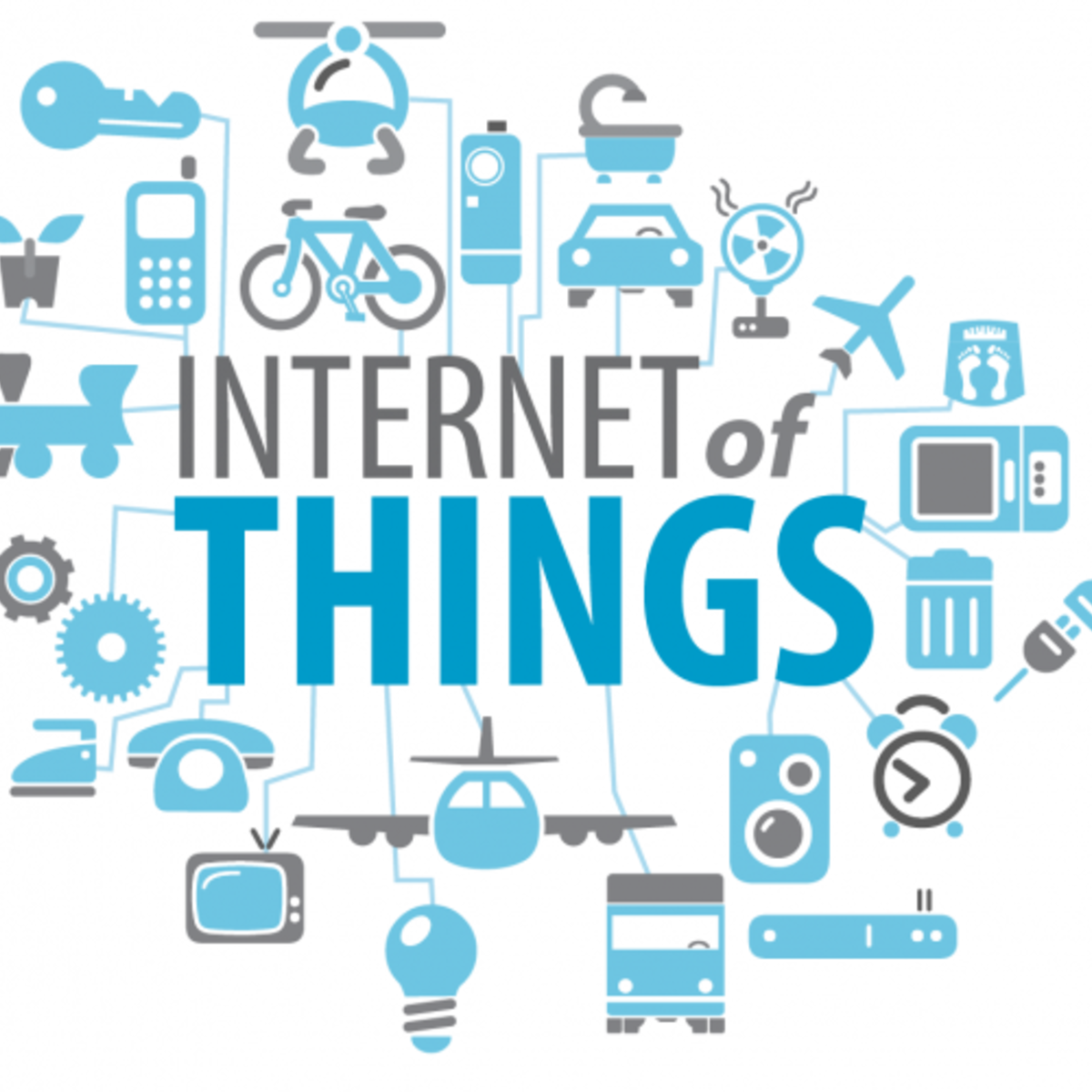
Welcome! You may have heard about the Internet of Things (IoT). But you may also have wondered about what it is. Or for that matter, what does it mean to you or an organization. This course is for you if you are curious about the most recent trends and activities in the internet capabilities and concerns about programmed devices. There are complexities and areas of necessary awareness when the industrial sector becomes connected to your home. Security policies and practices have not yet caught up to the internet capabilities of some of our most common products. The “connected home”, “consumer wearables”, or even an employee’s HVAC system may cause an unanticipated threat to your business environment.

Read more

Welcome! You may have heard about the Internet of Things (IoT). But you may also have wondered about what it is. Or for that matter, what does it mean to you or an organization. This course is for you if you are curious about the most recent trends and activities in the internet capabilities and concerns about programmed devices. There are complexities and areas of necessary awareness when the industrial sector becomes connected to your home. Security policies and practices have not yet caught up to the internet capabilities of some of our most common products. The “connected home”, “consumer wearables”, or even an employee’s HVAC system may cause an unanticipated threat to your business environment.

You will explore current security and privacy related concerns in each of these areas. Every module will include readings, videos, case studies, and a quiz to help make sure you understand the material and concepts we talk about. This course offers a place to learn, reflect, and plan for a smart community approach to IoT. Portions of this course may seem extremely technical in nature. That is because the “things” in IoT represents engineering. Try to grasp the concept in that case.

Enroll now

What's inside

Syllabus

Welcome to Cybersecurity and the Internet of Things!
Welcome to “Cybersecurity and the Internet of Things”! Your team for this course are experts in the field of cybersecurity and the Internet of Things. Through their research and experience, the team has collaborated to create a course that encompasses the most relevant aspects of cybersecurity and its impact on the Internet of Things. The team consists of Dr. Humayun Zafar, Dr. Traci Carte, Mr. Andy Green, and Dr. Herbert Mattord. All team members are faculty at Kennesaw State University which is one of the largest universities in the state of Georgia. In this course, we will talk about the so-called “Internet of Things” and what it means in the industrial sector, the “connected home”, and “consumer wearables” arenas. Good luck, and we look forward to seeing you successfully complete this course! Mr. Green is active on Twitter, follow him at @secprofgreen. He will be tweeting about IoT topics, using the #iotsecmooc tag. Join him there to engage in conversation!
Read more

Traffic lights

Read about what's good
what should give you pause
and possible dealbreakers
Taught by instructors who are recognized in the cybersecurity and Internet of Things field
Explores current security and privacy concerns in IoT implementation
Suitable for beginners seeking an introduction to IoT security
Covers basic concepts and applications of IoT in industrial, consumer, and home settings
Includes readings, videos, case studies, and quizzes for engagement and reinforcement
Emphasizes the need for security policies and practices to keep up with IoT advancements

Save this course

Create your own learning path. Save this course to your list so you can find it easily later.
Save

Reviews summary

Iot cybersecurity: concepts and concerns

According to learners, this course provides a solid foundation and a comprehensive overview of cybersecurity risks and challenges within the Internet of Things landscape, covering industrial, connected home, and wearable sectors. Students find the content relevant and current, particularly praising the up-to-date information on emerging threats. The bite-sized modules are seen as positive, making the material digestible. However, some learners felt the course could benefit from more technical depth and hands-on examples, and there were occasional remarks about the quiz difficulty not fully aligning with the material. Overall, it is considered a valuable introduction for those new to the field or looking to understand the broader implications.
Content is well-structured into modules.
"The modules are well-structured and easy to follow."
"I liked that the content was broken down into bite-sized modules."
"Each module was focused and manageable, which helped with comprehension."
"The way the course is structured in modules makes it easy to grasp the concepts."
Topics and information are up-to-date.
"The information was very recent and helpful in understanding the rapidly changing landscape of IoT security."
"Really relevant and current information was provided."
"The material felt very up-to-date with current events and trends in cybersecurity and IoT."
"I appreciate how current the topics covered in the course are."
Good overview for newcomers to IoT security.
"This course gave me a very good basic understanding of the IoT and security issues related to it."
"Excellent course for a general understanding of IoT, it's components, and it's security issues."
"I gained a solid foundation in understanding cybersecurity concerns across different IoT areas."
"A valuable introduction to the world of Cybersecurity related to the IoT."
Quiz difficulty inconsistent with material.
"Some quiz questions seemed unrelated or tested minor details not emphasized."
"The quizzes didn't always seem to reflect the main points of the videos or readings."
"I found some quizzes surprisingly difficult compared to the straightforward module content."
"Alignment between quiz content and module lessons could be improved."
Theory-heavy, minimal practical labs/demos.
"More hands-on labs or demonstrations would have been beneficial."
"The course was very theoretical; practical examples or labs were missing."
"I would have liked to see some practical demos of attacks or defenses."
"Lacking hands-on opportunities to apply the concepts learned."
Could use more advanced technical detail.
"Could use more in-depth technical discussion on securing specific IoT protocols."
"I felt it was a bit too high-level; I was hoping for more technical details."
"The course provides a good overview but lacks the technical depth needed for practitioners."
"While great for concepts, it didn't delve deep into the technical implementation of security."

Activities

Be better prepared before your course. Deepen your understanding during and after it. Supplement your coursework and achieve mastery of the topics covered in Cybersecurity and the Internet of Things with these activities:
Revisit Basic Networking Concepts
Review fundamental networking concepts to strengthen your comprehension of IoT device communication.
Browse courses on Networking Basics
Show steps
  • Review materials on network protocols, topologies, and security.
  • Practice configuring basic network settings.
Recall Your Cybersecurity Fundamentals
Refresh your understanding of cybersecurity principles to enhance your ability to identify and mitigate IoT security threats.
Show steps
  • Review notes or textbooks on cybersecurity concepts and best practices.
  • Complete practice questions or quizzes to assess your knowledge retention.
Test Your Understanding of Industrial IoT Devices
Complete these practice drills to assess your comprehension of the different industrial IoT devices discussed in the course.
Show steps
  • Attempt practice questions on various industrial IoT device types.
  • Review the answers and explanations to strengthen your knowledge.
One other activity
Expand to see all activities and additional details
Show all four activities
Develop a Cybersecurity Policy for Your Smart Home
Create a comprehensive cybersecurity policy for your smart home to safeguard your connected devices and personal data.
Browse courses on Cybersecurity Policy
Show steps
  • Identify potential security risks associated with your smart home devices.
  • Research best practices for IoT cybersecurity.
  • Draft a cybersecurity policy outlining security measures, protocols, and incident response.

Career center

Learners who complete Cybersecurity and the Internet of Things will develop knowledge and skills that may be useful to these careers:
IoT Solutions Architect
IoT Solutions Architects are responsible for designing and implementing IoT solutions for organizations. This course may be useful for you because it will help you understand the security risks associated with IoT devices and how to mitigate them.
IoT Security Engineer
IoT Security Engineers are responsible for securing IoT devices and networks. This course may be useful for you because it will help you understand the security risks associated with IoT devices and how to mitigate them.
IoT Consultant
IoT Consultants provide advice and guidance to organizations on how to use IoT devices to improve their business outcomes. This course may be useful for you because it will help you understand the security risks associated with IoT devices and how to mitigate them.
IoT Developer
IoT Developers are responsible for designing, developing, and maintaining IoT devices. This course may be useful for you because it will help you understand the security risks associated with IoT devices and how to mitigate them.
Information Security Manager
As an Information Security Manager, you would be responsible for planning, implementing, and maintaining an organization's information security program. This course may be useful for you because it will help you understand the security risks associated with IoT devices and how to mitigate them.
Penetration Tester
Penetration Testers are responsible for testing the security of an organization's information systems by attempting to hack into them. This course may be useful for you because it will help you understand the security risks associated with IoT devices and how to mitigate them.
Information Security Analyst
Information Security Analysts are responsible for identifying, assessing, and mitigating security risks to an organization's information systems. This course may be useful for you because it will help you understand the security risks associated with IoT devices and how to mitigate them.
Security Architect
Security Architects are responsible for designing and implementing security solutions for an organization's information systems. This course may be useful for you because it will help you understand the security risks associated with IoT devices and how to mitigate them.
Security Consultant
Security Consultants provide advice and guidance to organizations on how to improve their information security posture. This course may be useful for you because it will help you understand the security risks associated with IoT devices and how to mitigate them.
Cybersecurity Engineer
Cybersecurity Engineers are responsible for designing, implementing, and maintaining cybersecurity solutions for an organization. This course may be useful for you because it will help you understand the security risks associated with IoT devices and how to mitigate them.
Engineering Manager
Engineering Managers are responsible for leading and managing engineering teams. This course may be useful for you because it will help you understand how IoT devices can be used to improve engineering outcomes.
Data Scientist
Data Scientists use data to solve business problems. This course may be useful for you because it will help you understand how IoT devices can be used to collect data and how that data can be used to improve business outcomes.
Business Analyst
Business Analysts help organizations understand their business needs and develop solutions to meet those needs. This course may be useful for you because it will help you understand how IoT devices can be used to improve business outcomes.
Project Manager
Project Managers are responsible for planning, executing, and closing projects. This course may be useful for you because it will help you understand how IoT devices can be used to improve project outcomes.
Industrial Engineer
Industrial Engineers are responsible for designing and improving industrial processes. This course may be useful for you because it will help you understand how IoT devices can be used to improve industrial processes.

Reading list

We've selected 12 books that we think will supplement your learning. Use these to develop background knowledge, enrich your coursework, and gain a deeper understanding of the topics covered in Cybersecurity and the Internet of Things.
Provides a practical guide to designing connected products. It covers topics such as IoT user experience, design principles, and case studies. It valuable resource for practitioners who want to learn how to design and develop IoT products.
Provides a practical guide to marketing and selling technology products to mainstream customers. It valuable resource for practitioners who want to learn how to successfully launch and grow their IoT products.
Provides a comprehensive overview of the Fourth Industrial Revolution. It covers topics such as IoT, artificial intelligence, and robotics. It valuable resource for practitioners who want to gain a deeper understanding of the future of technology.
Provides a practical guide to acquiring customers for startups. It valuable resource for practitioners who want to learn how to build a customer base and generate revenue.
Provides a practical introduction to the Internet of Things and covers topics such as IoT architecture, device programming, and data analytics. It also includes case studies and hands-on projects.
Provides a classic framework for understanding how disruptive technologies can lead to the downfall of established companies. It valuable resource for practitioners who want to stay ahead of the curve and avoid the pitfalls of disruption.
Provides a practical guide to building successful startups using the lean startup methodology. It valuable resource for practitioners who want to learn how to validate their ideas, test their assumptions, and iterate quickly.
Provides a comprehensive introduction to cybersecurity and covers topics such as network security, malware analysis, and incident response. It also includes hands-on exercises and case studies.
Provides a solid foundation for understanding the fundamental concepts of IoT and covers topics such as IoT architectures, protocols, and applications. It also includes case studies and best practices for developing IoT solutions.

Share

Help others find this course page by sharing it with your friends and followers:

Similar courses

Similar courses are unavailable at this time. Please try again later.
Our mission

OpenCourser helps millions of learners each year. People visit us to learn workspace skills, ace their exams, and nurture their curiosity.

Our extensive catalog contains over 50,000 courses and twice as many books. Browse by search, by topic, or even by career interests. We'll match you to the right resources quickly.

Find this site helpful? Tell a friend about us.

Affiliate disclosure

We're supported by our community of learners. When you purchase or subscribe to courses and programs or purchase books, we may earn a commission from our partners.

Your purchases help us maintain our catalog and keep our servers humming without ads.

Thank you for supporting OpenCourser.

© 2016 - 2025 OpenCourser