Personal Protective Equipment (PPE)
May 1, 2024
3 minute read
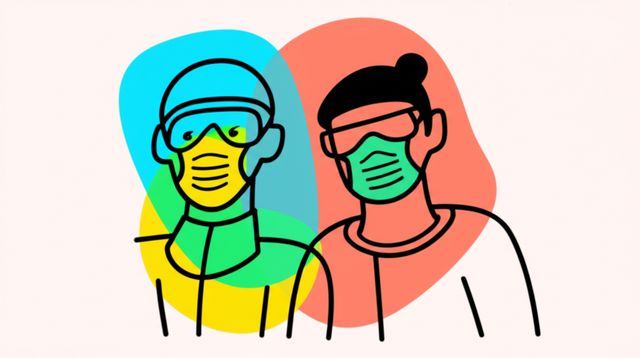
Personal Protective Equipment (PPE) is essential for safeguarding individuals from potential hazards and exposures in various settings. It plays a crucial role in minimizing the risk of injury, illness, and contamination by providing a physical barrier between the wearer and hazardous substances or agents. Understanding PPE is vital for maintaining safety and well-being in numerous fields, including healthcare, construction, manufacturing, and more.
Why Learn About Personal Protective Equipment (PPE)?
There are several compelling reasons why individuals may wish to learn about Personal Protective Equipment (PPE):
-
Compliance with Regulations: Many industries and workplaces have specific regulations regarding the use of PPE. Understanding these regulations is essential for maintaining compliance and ensuring workplace safety.
-
Protecting Health and Safety: PPE serves as a critical defense mechanism against potential hazards like toxic substances, infectious agents, and physical injuries. Learning about PPE empowers individuals to make informed choices and protect their well-being.
-
Career Advancement: Knowledge of PPE is highly valued in occupations that involve handling hazardous materials or working in hazardous environments. It can enhance career prospects and open doors to specialized roles.
-
Personal Interest and Curiosity: PPE is a fascinating subject that appeals to individuals interested in health, safety, and the prevention of occupational hazards.
How Online Courses Can Help You Learn About Personal Protective Equipment (PPE)
Online courses offer a convenient and accessible way to learn about Personal Protective Equipment (PPE). These courses provide comprehensive information, engaging content, and interactive activities to enhance understanding:
gmr4m4|
Find a path to becoming a Personal Protective Equipment (PPE). Learn more at:
OpenCourser.com/topic/gmr4m4/personal
Reading list
We've selected nine books
that we think will supplement your
learning. Use these to
develop background knowledge, enrich your coursework, and gain a
deeper understanding of the topics covered in
Personal Protective Equipment (PPE).
Provides a list of threshold limit values (TLVs) and biological exposure indices (BEIs) for workplace chemicals. It valuable resource for professionals in the field of occupational safety and health.
Provides an overview of safety and health in the mining industry. It covers the principles and practices of workplace safety, health, and environmental protection.
Provides a comprehensive overview of safety, health, and environmental management. It covers the principles and practices of workplace safety, health, and environmental protection.
Provides a practical guide to industrial hygiene. It covers the principles and practices of workplace safety, health, and environmental protection.
Provides a comprehensive overview of the safety profession. It covers the principles and practices of workplace safety, health, and environmental protection.
Provides a comprehensive overview of industrial safety and health. It covers the principles and practices of workplace safety, health, and environmental protection.
Provides an overview of safety and health for engineers. It covers the principles and practices of workplace safety, health, and environmental protection.
Provides an overview of safety and health in the chemical industry. It covers the principles and practices of workplace safety, health, and environmental protection.
This guide provides information on the selection and use of personal protective equipment (PPE). It valuable resource for employers and employees who need to understand the requirements for PPE.
For more information about how these books relate to this course, visit:
OpenCourser.com/topic/gmr4m4/personal

 Save
Save