
Japan
 Save
Save
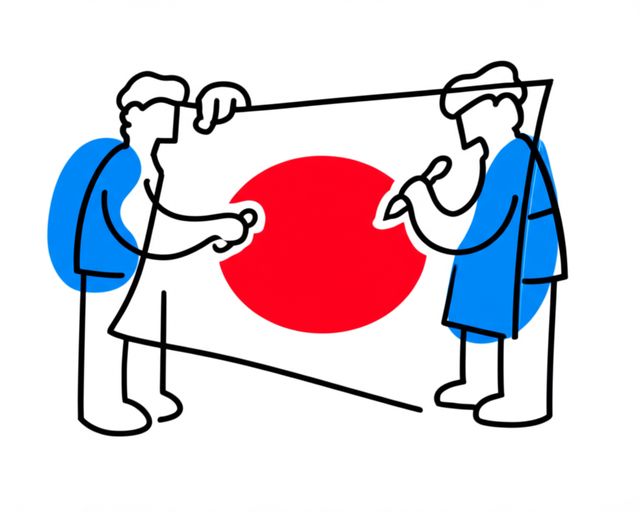
Japan, an island nation in East Asia, is a country of profound contrasts and compelling dynamism. It stands as a global economic powerhouse and a deeply traditional society, offering a unique blend of ancient customs and cutting-edge modernity. For those considering a career path or field of study related to Japan, the nation presents a rich tapestry of opportunities and challenges, spanning diverse sectors from technology and manufacturing to arts and international relations.
Working or engaging with Japan can be an incredibly rewarding experience. Imagine contributing to the development of next-generation robotics, participating in the vibrant global exchange of Japanese popular culture, or navigating the intricacies of international business in one of the world's most influential economies. These are just a few glimpses into the stimulating possibilities that a deeper understanding of Japan can unlock. This article aims to provide a comprehensive overview for individuals contemplating a journey into learning about and potentially working with Japan, setting realistic expectations while offering encouragement for this ambitious endeavor.
Introduction to Japan
Japan's multifaceted identity is shaped by its unique geography, rich history, and complex societal structures. Understanding these foundational elements is crucial for anyone looking to engage with the country on a professional or academic level.
Geographical Landscape and Regional Dynamics
Japan is an archipelago composed of thousands of islands, with four main islands – Honshu, Hokkaido, Kyushu, and Shikoku – constituting the majority of its landmass. Situated in the Pacific Ocean, east of the Asian continent, its varied geography ranges from snow-capped mountains and volcanic peaks, including the iconic Mount Fuji, to extensive coastlines and fertile plains. This diverse topography influences regional economies, cultures, and lifestyles.


