
Urinary System
 Save
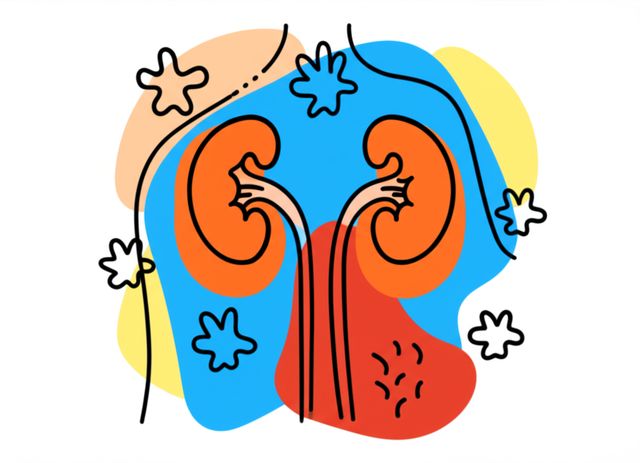
The urinary system, also known as the renal system, is a vital part of the human body responsible for filtering blood and producing, storing, and eliminating urine. This intricate network of organs plays a crucial role in maintaining overall health by removing waste products and excess fluid from the body, regulating blood pressure, and controlling levels of electrolytes and metabolites. Understanding the urinary system is fundamental not only for those in the medical and biological sciences but also for anyone curious about the remarkable workings of the human body.
Delving into the study of the urinary system can be a fascinating journey. Imagine the kidneys as highly efficient filters, constantly working to cleanse your blood. Consider the bladder, a remarkable organ capable of expanding to store urine until it's convenient to eliminate. Exploring the microscopic world of nephrons, the functional units of the kidneys, reveals complex processes of filtration, reabsorption, and secretion that are essential for life. For those inclined towards science and health, the urinary system offers a rich field of study with direct implications for human well-being.
Introduction to the Urinary System
The urinary system is a group of organs working in concert to filter waste products from the blood and expel them from the body as urine. This process is essential for maintaining homeostasis, the body's stable internal environment.


