
Hardware Prototyper
 Save
Save
A Comprehensive Guide to Becoming a Hardware Prototyper
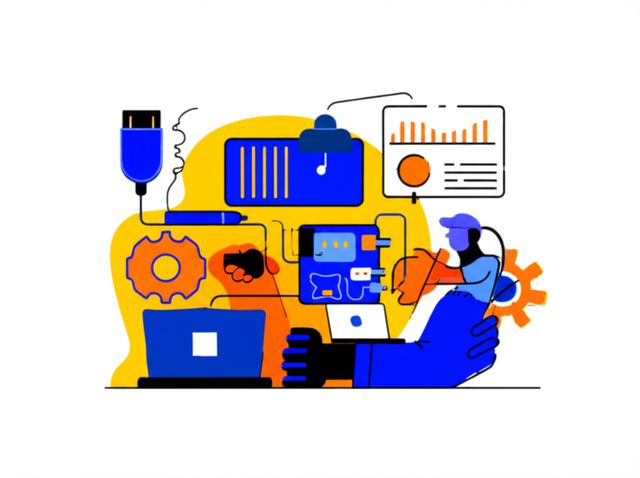
A Hardware Prototyper is an individual who specializes in creating preliminary models or samples of physical products. This role is crucial in the product development lifecycle, serving as a bridge between an initial idea and a mass-produced item. Hardware Prototypers build tangible versions of concepts, allowing designers and engineers to test functionality, aesthetics, and manufacturability before committing to large-scale production. This process involves working with various physical components like circuits, sensors, and mechanical parts, unlike software prototyping which deals with digital simulations.
Working as a Hardware Prototyper can be highly engaging. You will often find yourself at the forefront of innovation, transforming abstract concepts into functional realities. The ability to physically hold and test a new invention, to identify and solve problems hands-on, and to see a product evolve through iterative improvements can be incredibly rewarding. Furthermore, the role often involves collaboration with diverse teams of engineers, designers, and other stakeholders, making it a dynamic and interactive career path.


