We may earn an affiliate commission when you visit our partners.
Course image
Chiu Li Yeh, Yue-Hwa Chen, and Jung-Su Chang

Most FutureLearn courses run multiple times. Every run of a course has a set start date but you can join it and work through it after it starts. Find out more The course is for students in healthcare disciplines, plus anyone with a general interest in nutrition and health. You can use the hashtag #FLnutritiondisease to talk about this course on social media.

Topics Covered

Read more

Most FutureLearn courses run multiple times. Every run of a course has a set start date but you can join it and work through it after it starts. Find out more The course is for students in healthcare disciplines, plus anyone with a general interest in nutrition and health. You can use the hashtag #FLnutritiondisease to talk about this course on social media.

Topics Covered

  • How some nutrient deficiency can lead to health-related problems
  • Relationship between cancer and micronutrient deficiency, such as iron or fish oil.
  • The use of supplements and healthy eating for disease prevention or weight control.

Save this course

Create your own learning path. Save this course to your list so you can find it easily later.
Save

Reviews summary

Nutrition for health and disease prevention

According to learners, 'Nutrition and Disease Prevention' offers a highly informative and well-structured overview of how diet impacts health. Many praise the clear, concise lectures and evidence-based approach, finding the content highly relevant to current health challenges and effective for debunking common myths. Students value the practical advice on food choices and supplement use for disease prevention. While it's considered an excellent foundation for general learners and those new to the field, some healthcare professionals found the content basic, suggesting it might lack sufficient depth for advanced insights. Overall, it provides valuable insights for healthier living.
Demonstrates sustained relevance in its scientific content.
"The content is highly relevant to current health challenges."
"I learned so much about the link between diet and chronic diseases, and the practical advice on food choices and supplement use was invaluable."
"While some very old feedback mentioned outdated aspects, recent reviews confirm the information remains scientifically sound and pertinent."
Well-organized content that facilitates learning.
"I found this course incredibly informative and well-structured."
"The quizzes reinforced learning effectively."
"Very engaging and easy to follow."
Serves as a strong introduction for new learners.
"A great starting point for those new to the field."
"It's an excellent foundation for general learners."
"This course clarified many misconceptions about nutrition, making it ideal for beginners."
Offers actionable insights for daily life and health.
"I especially appreciated the modules on micronutrient deficiencies and how to apply this knowledge to daily life for disease prevention."
"The practical advice on food choices and supplement use was invaluable."
"I learned how to make healthier choices and gained practical tips for prevention."
Delivers reliable, scientifically-backed information.
"The lectures were clear, concise, and backed by scientific evidence."
"I particularly liked the evidence-based approach and the focus on prevention."
"This course is great for debunking common myths and providing an evidence-based perspective."
May not challenge experienced healthcare professionals.
"I wished for more depth in certain areas... less so for seasoned healthcare professionals."
"Some of the information felt a bit basic. I was hoping for more advanced concepts."
"While it covers the basics well, I didn't gain many new insights as a registered dietitian."

Career center

Learners who complete Nutrition and Disease Prevention will develop knowledge and skills that may be useful to these careers:

Reading list

We've selected 50 books that we think will supplement your learning. Use these to develop background knowledge, enrich your coursework, and gain a deeper understanding of the topics covered in Nutrition and Disease Prevention.
A foundational textbook in cancer biology, this book delves into the molecular and cellular mechanisms underlying cancer development and progression. It is essential for deepening understanding at the undergraduate and graduate levels and serves as a key reference for professionals. While comprehensive, its technical depth makes it more challenging for those without a strong science background.
A comprehensive and authoritative clinical oncology textbook, often referred to as the 'bible' of oncology. covers all aspects of cancer care, from principles of treatment to site-specific management. It is an essential reference for medical students, residents, fellows, and practicing oncologists.
This foundational textbook widely used in nutrition and dietetics programs. It provides a comprehensive overview of the nutrition care process, covering assessment, diagnosis, intervention, and monitoring and evaluation. It is an essential reference for students and professionals, offering evidence-based guidelines for nutritional care across the lifespan and for various conditions.
Provides a comprehensive overview of obesity prevention, including information on the causes of obesity, how to prevent it, and how to treat it if it occurs.
Explores the critical link between nutrition and sustainable food systems, addressing the environmental and social impacts of food production and consumption. It's essential for understanding contemporary issues in global nutrition.
Written as a sports nutrition textbook, this book delves into advanced topics relevant to athletes, including nutrient timing, hydration, and the nutritional needs for different sports. It also includes practical advice on supplementation for performance enhancement and recovery. is highly relevant for those interested in sports nutrition and the use of supplements in this context, suitable for advanced undergraduates, graduate students, and professionals in sports science or dietetics.
Explores the findings and implications of The Cancer Genome Atlas (TCGA), a landmark project that molecularly characterized thousands of tumors. It delves into contemporary genomics topics in cancer research and is valuable for graduate students and researchers interested in large-scale genomic data analysis in cancer.
Is designed for health professionals working with athletes and covers the principles of sports nutrition, including the appropriate use of dietary supplements in this population. It provides evidence-based guidance for practitioners. This valuable resource for graduate students and professionals in nutrition, dietetics, and sports science.
Provides a framework for evaluating the safety of dietary supplements, offering insights into the regulatory landscape and the challenges in assessing supplement safety. It crucial read for understanding the complexities of supplement regulation and the scientific basis for safety evaluations. This is particularly relevant for graduate students and professionals working in regulatory affairs, public health, or research related to supplements.
This handbook is geared towards professionals in sports nutrition and covers the practical application of nutrition science, including supplementation strategies for athletes. It useful reference for those working with athletes and needing to understand the evidence-based use of supplements in sports. is suitable for graduate students and professionals.
Focuses on the link between nutrition and mental health, including the role of micronutrients and supplements. It presents research on how dietary changes and supplementation can impact mental well-being. This highly relevant book for those interested in the use of supplements for mental health, suitable for a broad audience including professionals in mental health and nutrition.
Tells the story of the development of cancer immunotherapy, highlighting the scientific breakthroughs and the personal journeys of researchers and patients. It provides an engaging look at a contemporary and rapidly advancing field in cancer treatment, accessible to a broad audience while offering valuable context.
This textbook focuses on the use of diet, nutritional supplements, and other natural therapies for disease prevention and treatment. It offers a comprehensive look at the therapeutic applications of supplements from a naturopathic perspective. is valuable for those interested in the clinical use of supplements in a healthcare setting.
Delves into the social determinants of health and the disparities in health outcomes across different populations. It highlights the importance of addressing social and economic inequalities to promote health equity.
Considered a classic textbook in nutrition and diet therapy, this comprehensive resource covers a wide range of topics, including the role of dietary supplements in clinical practice. It foundational text for nutrition students and professionals, providing in-depth information on nutrition care and medical nutrition therapy.
This compelling narrative tells the story of Henrietta Lacks, whose cancer cells (HeLa) were taken without her knowledge and became invaluable for medical research. It explores ethical issues in research, the history of cell biology, and the impact on the Lacks family. It provides important context on the origins of a fundamental tool in cancer research.
This guide quick-reference for health professionals and students, providing scientific evidence for and against over 120 popular dietary supplements. It groups supplements by their intended effect and includes information on safety issues and recommended dosages. valuable reference tool for those needing to quickly access information on specific supplements and their efficacy.
This textbook offers a broad introduction to the principles of human nutrition, covering basic biology, nutrient requirements, and the impact of nutrition on health and disease. It's suitable for students new to the field and provides a solid base for further study.
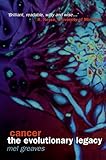
Presents cancer as a product of somatic evolution, offering a unique and insightful perspective on cancer development and progression. It is valuable for deepening understanding by considering cancer within an evolutionary framework and is suitable for advanced undergraduate students, graduate students, and researchers.
Examines the impact of traditional diets on health and genetics, combining modern science with ancestral eating patterns. It offers insights into how dietary choices can influence gene expression and long-term health.
Explores the intricate relationship between the mind and body and its impact on overall health. It emphasizes the importance of stress management, mindfulness, and emotional well-being for promoting physical and mental health.
A popular guide for athletes, this book offers practical advice on meal planning, hydration, and the use of sports supplements. While accessible to a broad audience, it provides specific guidance relevant to those interested in optimizing athletic performance through nutrition and supplementation.
Delves into the hidden factors that influence our eating habits, drawing on research in behavioral economics. It's highly relevant for understanding why we make the food choices we do and offers practical tips for mindful eating.
A poignant memoir by a neurosurgeon diagnosed with terminal lung cancer, this book offers a deeply personal perspective on facing mortality and illness. While not a scientific text, it provides invaluable insight into the patient experience, which is crucial for anyone involved in cancer care or seeking a humanistic understanding of the disease.
This comprehensive textbook covers basic nutrition, metabolism, and nutrition across the life stages, including dietary supplements. It widely used textbook in academic settings and provides a solid foundation for understanding the role of nutrition and supplements in health and disease. is valuable for both undergraduate and graduate students seeking a thorough understanding of the subject.
Written by a physician and cancer survivor, this book explores lifestyle factors, including diet, exercise, and stress reduction, that can complement conventional cancer treatment and help prevent recurrence. It aligns with courses on nutrition and well-being and offers practical, evidence-informed strategies for patients and those interested in preventative measures.
A thought-provoking book that critiques the modern Western diet and industrial food system. It encourages a return to simpler, whole foods and offers a common-sense approach to eating. It's a valuable read for understanding the broader context of nutrition.
Provides an evidence-based perspective on dietary supplements, aiming to help readers make informed decisions about their use. It discusses the science behind supplements and addresses common misconceptions. This valuable resource for anyone seeking a critical and evidence-based understanding of supplements, suitable for a general audience as well as students.
This textbook presents the basics of nutrition with an emphasis on the underlying science, including anatomy, physiology, and biochemistry. It provides a solid foundation for understanding nutrition concepts.
While not solely focused on cancer, this comprehensive cell biology textbook crucial prerequisite for understanding the cellular basis of cancer. It provides essential background knowledge on cell function, growth, and regulation, which are fundamental to grasping oncogenesis. It standard textbook at the undergraduate and graduate levels.
Provides a comprehensive analysis of the social, economic, and environmental factors that influence health and well-being. It advocates for addressing these determinants to create equitable and healthy communities.
This guide specifically addresses weight-loss supplements, cutting through marketing claims to provide evidence-based information on what works. It practical resource for those interested in supplements for weight management. While aimed at a general audience, it provides focused information relevant to a specific area of supplement use.
Provides practical guidance on the role of nutrition during cancer treatment and recovery. It is particularly relevant for courses and individuals interested in the supportive care aspects of cancer, offering evidence-based recommendations for managing side effects and improving well-being through diet.
Serves as a popular reference guide for using vitamins, minerals, herbs, and food supplements for various health conditions. While not a textbook, it provides a broad overview of potential uses for numerous supplements. It can be a useful supplementary reading for those interested in the practical application of supplements for general health concerns.
This encyclopedia provides information on various nutritional supplements, including vitamins, minerals, and herbs. It covers deficiency signs, symptoms, and recommended dosages. While an older publication, it can serve as a foundational reference for understanding the basics of a wide range of supplements.
Provides a concise overview of dietary supplements, covering their history, regulation, and common types. It serves as a good introductory text for those new to the topic. It is suitable for high school and early undergraduate students seeking a general understanding of supplements.
Provides a good base in dietetics, covering fundamental concepts and practical applications. It useful resource for students beginning their studies in nutrition and dietetics.
While not solely focused on nutrition science, this book provides crucial context on the societal factors influencing eating behaviors and the prevalence of eating disorders. It's important for a holistic understanding of nutrition and its psychological aspects.
This cookbook and guide advocates for traditional food preparation techniques and the consumption of nutrient-dense, traditional fats. It offers an alternative perspective to mainstream dietary advice and is considered a classic in the real food movement.
Presents an updated approach to the low-carbohydrate Atkins diet, explaining the science behind carbohydrate restriction for weight loss and metabolic health. It's relevant for understanding popular dietary approaches.

Share

Help others find this course page by sharing it with your friends and followers:

Similar courses

Here are nine courses similar to Nutrition and Disease Prevention.
Designing Your Personal Weight Loss Plan
Most relevant
Low Intermediate English: Personal Growth & Well-Being
Most relevant
National Academy of Sports Medicine Nutrition Essentials
Most relevant
Navigating Diets
Most relevant
Aligning Diet and Exercise
Most relevant
Eat Real Food: How to Eat a Whole Food, Plant-Based Diet
Most relevant
Beginner’s Full Body Workout with Dumbbells
Most relevant
Nutrition Masterclass: Build Your Perfect Diet & Meal Plan
Most relevant
Ultimate Body Transformation
Most relevant

Futurelearn Buyer Protection & Guarantee

Verified partner policies & purchase protections

UK & International University Partner
Free Trial & Audit

Free Access on Short Courses

Free access option on most short courses for the duration of the course plus 14 days; free trial available on select subscriptions and tracks.

Return & Refund Policy

14-Day Cooling-Off Refund Window

14-day statutory cooling-off refund window from the date of purchase for course upgrades, Unlimited subscriptions, and ExpertTracks, provided no tests have been attempted and no certificates have been downloaded. Renewals are non-refundable.

Buyer Protections

Verified Academic & Industry Partner

Accredited university microcredentials and certificates from top institutions (British Council, leading UK and global universities), with secure payment safeguards.

Key Purchase Protections
Free access track on many short courses
14-day cooling-off refund window on initial purchases
Refund eligible if no tests completed and no certificate issued
Accredited certifications from top UK & global universities
OpenCourser Verified Partner Policy details last reviewed: 2026-10-22
Our mission

OpenCourser helps millions of learners each year. People visit us to learn workspace skills, ace their exams, and nurture their curiosity.

Our extensive catalog contains over 50,000 courses and twice as many books. Browse by search, by topic, or even by career interests. We'll match you to the right resources quickly.

Find this site helpful? Tell a friend about us.

Affiliate disclosure

We're supported by our community of learners. When you purchase or subscribe to courses and programs or purchase books, we may earn a commission from our partners.

Your purchases help us maintain our catalog and keep our servers humming without ads.

Thank you for supporting OpenCourser.

© 2016 - 2025 OpenCourser