

We may earn an affiliate commission when you visit our partners.
Course image
Federico Bucci

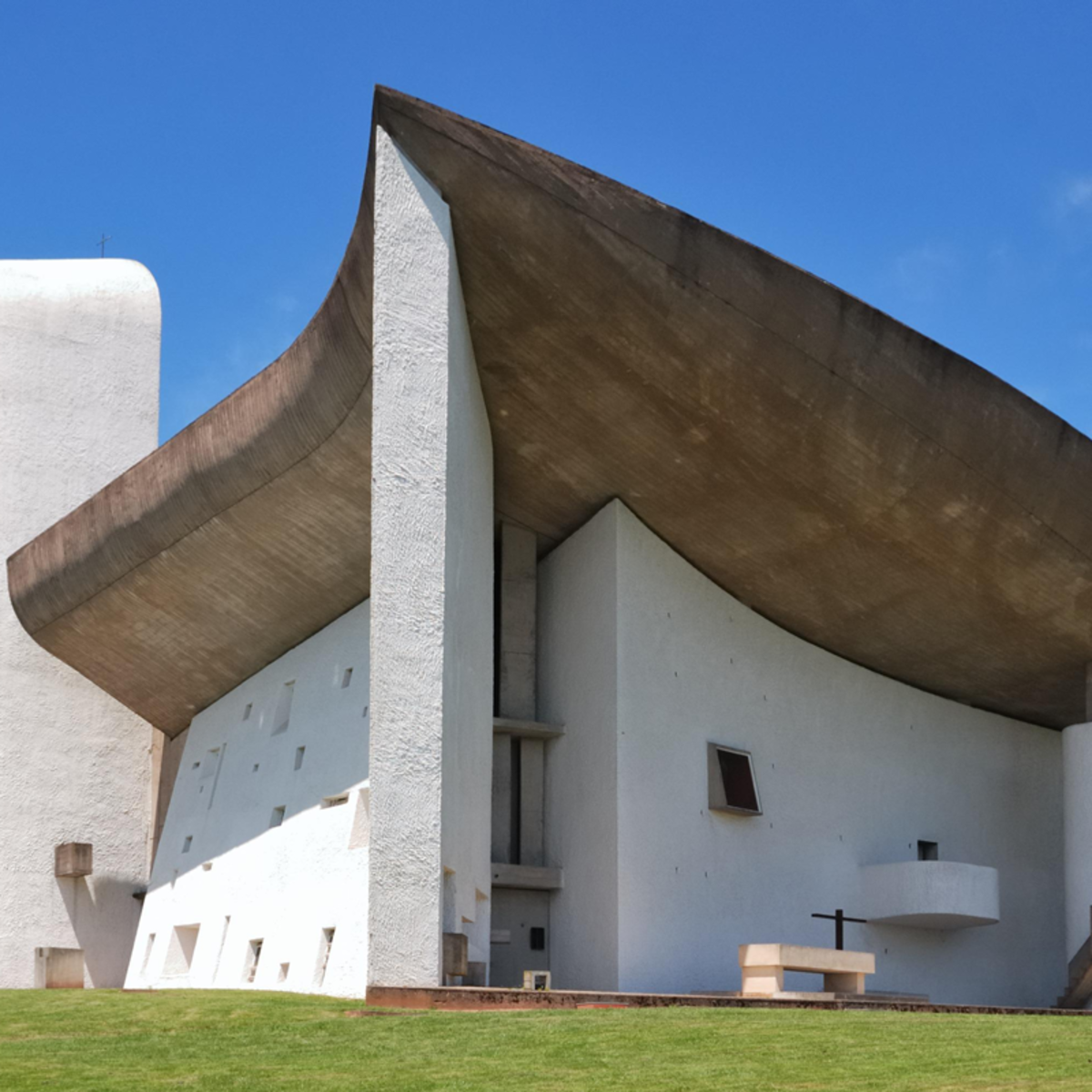
Con un viaggio tra le opere più note di alcuni grandi maestri del Novecento, questo corso offre un punto di vista utile per interpretare le vicende dell’architettura, ovvero dell’arte di costruire spazi per la nostra vita quotidiana.

Il corso si articola in tre settimane, ognuna dedicata all’approfondimento di un tema specifico: la prima settimana presenta i capolavori del Novecento, la seconda ripercorre il lavoro di due maestri della cultura architettonica italiana, la terza conduce nella visita di alcune opere recenti dei maestri contemporanei.

Read more

Con un viaggio tra le opere più note di alcuni grandi maestri del Novecento, questo corso offre un punto di vista utile per interpretare le vicende dell’architettura, ovvero dell’arte di costruire spazi per la nostra vita quotidiana.

Il corso si articola in tre settimane, ognuna dedicata all’approfondimento di un tema specifico: la prima settimana presenta i capolavori del Novecento, la seconda ripercorre il lavoro di due maestri della cultura architettonica italiana, la terza conduce nella visita di alcune opere recenti dei maestri contemporanei.

Ogni settimana è articolata in brevi lezioni; al termine di ciascuna viene proposto un quiz per verificare le conoscenze acquisite.

Enroll now

What's inside

Syllabus

Capolavori del novecento
In questa sezione presentiamo nove capolavori che hanno segnato la storia dell’architettura del Novecento. Tra gli autori dei rispettivi progetti, vi sono i quattro grandi maestri del cosiddetto Movimento Moderno: Frank Lloyd Wright, Charles Eduard Jeanneret, detto Le Corbusier, Ludwig Mies van der Rohe, Alvar Aalto. Nei nostri commenti ad ogni opera, abbiamo cercato di intrecciare i caratteri della costruzione con il pensiero dell’architetto che li ha progettati.
Read more

Traffic lights

Read about what's good
what should give you pause
and possible dealbreakers
Esplora l'architettura del Novecento, un secolo che ha definito l'aspetto delle nostre città
Fornisce una solida base per comprendere le opere più note di alcuni tra i più grandi maestri del Novecento
Insegna ad apprezzare l'architettura moderna, un campo in costante evoluzione e che negli ultimi anni sta ridefinendo le nostre città
Sviluppa competenze critiche per comprendere le opere architettoniche e le loro implicazioni sociali
Fornisce una panoramica completa dell'architettura del Novecento
Non copre l'architettura contemporanea in modo esaustivo

Save this course

Create your own learning path. Save this course to your list so you can find it easily later.
Save

Reviews summary

Ottima introduzione all'architettura contemporanea

Secondo gli studenti, questo corso offre un'ottima e accessibile introduzione alla storia dell'architettura contemporanea. Le lezioni sono considerate molto interessanti, chiare e ben strutturate, guidate da un docente molto preparato e appassionato. Il corso copre efficacemente i capolavori del Novecento e i maestri italiani, anche se alcuni corsisti avrebbero preferito una maggiore profondità su specifici argomenti. I quiz sono visti come utili per verificare la comprensione, anche se da alcuni ritenuti troppo semplici o elementari. Nel complesso, è un'esperienza di apprendimento arricchente e un ottimo punto di partenza per chi si avvicina alla materia.
Ideale per chi si avvicina alla materia.
"Ottimo punto di partenza per chi, come me, si approccia per la prima volta..."
"Una buona introduzione..."
"utile per una panoramica."
"Corso molto valido come introduzione."
Contenuti ben presentati e coinvolgenti.
"Le lezioni sono interessanti e chiare..."
"Le lezioni sono coinvolgenti."
"chiara e appassionata esposizione."
"Le spiegazioni sono chiare e gli esempi ben scelti."
Esperto nella materia, trasmette passione.
"Il docente è molto preparato e riesce a trasmettere la sua passione per la materia."
"Grazie al Professore per la sua chiara e appassionata esposizione."
"docente superbo."
"The instructor is very knowledgeable and passionate."
Utili per ripasso, ma non sfidanti.
"i quiz potevano essere un po' più stimolanti."
"I quiz sono utili per ripassare, ma non testano la comprensione profonda."
"I quiz sono un po' elementari..."
Non sufficiente per studio avanzato.
"per un approfondimento vero e proprio... è necessario cercare altrove."
"a volte un po' troppo rapide su certi argomenti."
"Mi aspettavo forse un po' di più dal Politecnico."
"utile per una panoramica. Copre i punti salienti, ma per un approfondimento..."

Activities

Be better prepared before your course. Deepen your understanding during and after it. Supplement your coursework and achieve mastery of the topics covered in Introduzione alla Storia dell'Architettura Contemporanea with these activities:
Crea un gruppo di studio con i tuoi colleghi
Discutere con gli altri studenti del corso può aiutarti a comprendere meglio il materiale e a identificare le aree in cui hai bisogno di ulteriore supporto.
Browse courses on Design
Show steps
  • Individua altri studenti interessati a formare un gruppo di studio.
  • Stabilisci un programma di incontri.
  • Preparati per gli incontri leggendo il materiale e facendo ricerche.
  • Discuti il materiale, poniti domande a vicenda e lavora insieme per risolvere i problemi.
Analizza esempi di architettura
Analizzare esempi reali di architettura ti aiuterà a comprendere meglio i principi e gli elementi chiave.
Browse courses on Design
Show steps
  • Visita edifici e prendi nota delle loro caratteristiche architettoniche.
  • Leggi riviste e siti web di architettura per vedere esempi di lavori di architetti famosi.
  • Discuti i tuoi risultati con i tuoi colleghi.
Segui il corso online "Architettura Contemporanea" su Coursera
Migliora le tue conoscenze sull'architettura contemporanea seguendo un corso online che fornisca esempi e approfondimenti.
Browse courses on Design
Show steps
  • Iscriviti al corso "Architettura Contemporanea" su Coursera.
  • Segui le lezioni, completa gli esercizi e partecipa alle discussioni.
  • Applica le conoscenze acquisite nel tuo lavoro o nei tuoi progetti.
Three other activities
Expand to see all activities and additional details
Show all six activities
Partecipa a un workshop sull'architettura
I workshop forniscono un'opportunità pratica per mettere in pratica le tue conoscenze e ricevere feedback da esperti.
Browse courses on Design
Show steps
  • Cerca workshop sull'architettura nella tua zona.
  • Seleziona un workshop che corrisponda ai tuoi interessi e livello di abilità.
  • Partecipa al workshop e prendi parte attivamente alle attività.
Contribuisci a un progetto open source sul design architettonico
Contribuire a progetti open source ti permetterà di sviluppare le tue abilità collaborando con altri e apprendendo buone pratiche.
Browse courses on Design
Show steps
  • Trova progetti open source relativi all'architettura e al design su piattaforme come GitHub o SourceForge.
  • Seleziona un progetto interessante e scopri come contribuire.
  • Inizia a contribuire al progetto aggiungendo funzionalità, correggendo bug o migliorando la documentazione.
Crea un portfolio di progetti architettonici
Creare un portfolio ti aiuterà a mostrare le tue abilità e le tue conoscenze a potenziali datori di lavoro.
Browse courses on Design
Show steps
  • Scegli i migliori progetti del tuo corso o di altri lavori che hai completato.
  • Crea una presentazione visiva dei tuoi progetti, che includa immagini, rendering e descrizioni.
  • Condividi il tuo portfolio con i potenziali datori di lavoro o clienti.

Career center

Learners who complete Introduzione alla Storia dell'Architettura Contemporanea will develop knowledge and skills that may be useful to these careers:
Architectural Historian
Architectural Historians study the history of architecture, including major works and their designers. This course provides a solid foundation in the history of architecture, with a focus on the 20th century. It offers a comprehensive overview of the major architectural movements and styles of the period, as well as the work of some of the most influential architects of the time. This knowledge can be invaluable for Architectural Historians, who need to have a deep understanding of the history of their field in order to properly interpret and analyze architectural works.
Architectural Designer
Architectural Designers create plans for buildings and other structures, taking into account factors such as aesthetics, functionality, and environmental impact. This course provides a strong foundation in the history of architecture, with a focus on the 20th century. It offers a comprehensive overview of the major architectural movements and styles of the period, as well as the work of some of the most influential architects of the time. This knowledge can be invaluable for Architectural Designers, who need to have a deep understanding of the history of their field in order to design buildings that are both aesthetically pleasing and functional.
Architect
Architects design and oversee the construction of buildings and other structures. This course provides a strong foundation in the history of architecture, with a focus on the 20th century. It offers a comprehensive overview of the major architectural movements and styles of the period, as well as the work of some of the most influential architects of the time. This knowledge can be invaluable for Architects, who need to have a deep understanding of the history of their field in order to design buildings that are both aesthetically pleasing and functional.
Project Manager
Project Managers plan, organize, and oversee the completion of construction projects. This course provides a strong foundation in the history of architecture, with a focus on the 20th century. It offers a comprehensive overview of the major architectural movements and styles of the period, as well as the work of some of the most influential architects of the time. This knowledge can be invaluable for Project Managers, who need to have a deep understanding of the history of their field in order to effectively plan and manage construction projects.
Construction Manager
Construction Managers oversee the construction of buildings and other structures. This course provides a strong foundation in the history of architecture, with a focus on the 20th century. It offers a comprehensive overview of the major architectural movements and styles of the period, as well as the work of some of the most influential architects of the time. This knowledge can be invaluable for Construction Managers, who need to have a deep understanding of the history of their field in order to effectively oversee construction projects.
Urban Planner
Urban Planners develop plans and policies for the development and use of land in urban areas. This course provides a strong foundation in the history of architecture, with a focus on the 20th century. It offers a comprehensive overview of the major architectural movements and styles of the period, as well as the work of some of the most influential architects of the time. This knowledge can be invaluable for Urban Planners, who need to have a deep understanding of the history of their field in order to effectively plan and develop urban areas.
Interior designer
Interior Designers plan and design the interiors of buildings and other structures. This course provides a strong foundation in the history of architecture, with a focus on the 20th century. It offers a comprehensive overview of the major architectural movements and styles of the period, as well as the work of some of the most influential architects of the time. This knowledge can be invaluable for Interior Designers, who need to have a deep understanding of the history of their field in order to effectively design and plan interior spaces.
Landscape Architect
Landscape Architects design and plan outdoor spaces, such as parks, gardens, and other public spaces. This course provides a strong foundation in the history of architecture, with a focus on the 20th century. It offers a comprehensive overview of the major architectural movements and styles of the period, as well as the work of some of the most influential architects of the time. This knowledge can be invaluable for Landscape Architects, who need to have a deep understanding of the history of their field in order to effectively design and plan outdoor spaces.
Art historian
Art Historians study the history of art, including architecture. This course provides a strong foundation in the history of architecture, with a focus on the 20th century. It offers a comprehensive overview of the major architectural movements and styles of the period, as well as the work of some of the most influential architects of the time. This knowledge can be invaluable for Art Historians, who need to have a deep understanding of the history of their field in order to properly interpret and analyze works of art.
Curator
Curators plan and oversee the exhibitions and collections of museums and other cultural institutions. This course provides a strong foundation in the history of architecture, with a focus on the 20th century. It offers a comprehensive overview of the major architectural movements and styles of the period, as well as the work of some of the most influential architects of the time. This knowledge can be invaluable for Curators, who need to have a deep understanding of the history of their field in order to effectively plan and oversee exhibitions and collections.
Architectural Critic
Architectural Critics write and review articles about architecture. This course provides a strong foundation in the history of architecture, with a focus on the 20th century. It offers a comprehensive overview of the major architectural movements and styles of the period, as well as the work of some of the most influential architects of the time. This knowledge can be invaluable for Architectural Critics, who need to have a deep understanding of the history of their field in order to effectively write and review articles about architecture.
Professor of Architecture
Professors of Architecture teach and research architecture. This course provides a strong foundation in the history of architecture, with a focus on the 20th century. It offers a comprehensive overview of the major architectural movements and styles of the period, as well as the work of some of the most influential architects of the time. This knowledge can be invaluable for Professors of Architecture, who need to have a deep understanding of the history of their field in order to effectively teach and research architecture.
Architectural Photographer
Architectural Photographers take photographs of buildings and other structures. This course provides a strong foundation in the history of architecture, with a focus on the 20th century. It offers a comprehensive overview of the major architectural movements and styles of the period, as well as the work of some of the most influential architects of the time. This knowledge can be invaluable for Architectural Photographers, who need to have a deep understanding of the history of their field in order to effectively take photographs of buildings and other structures.
Real Estate Developer
Real Estate Developers develop and manage real estate properties. This course provides a strong foundation in the history of architecture, with a focus on the 20th century. It offers a comprehensive overview of the major architectural movements and styles of the period, as well as the work of some of the most influential architects of the time. This knowledge can be invaluable for Real Estate Developers, who need to have a deep understanding of the history of their field in order to effectively develop and manage real estate properties.
Civil Engineer
Civil Engineers design and build infrastructure, such as roads, bridges, and buildings. This course provides a strong foundation in the history of architecture, with a focus on the 20th century. It offers a comprehensive overview of the major architectural movements and styles of the period, as well as the work of some of the most influential architects of the time. This knowledge can be invaluable for Civil Engineers, who need to have a deep understanding of the history of their field in order to effectively design and build infrastructure.

Reading list

We've selected 20 books that we think will supplement your learning. Use these to develop background knowledge, enrich your coursework, and gain a deeper understanding of the topics covered in Introduzione alla Storia dell'Architettura Contemporanea.
Questo testo fornisce una panoramica completa della storia dell'architettura contemporanea, fornendo un contesto per l'esplorazione delle opere specifiche esaminate nel corso.
Questo libro fornisce una panoramica dettagliata dell'architettura italiana del Quattrocento. Si tratta di una risorsa preziosa per comprendere i concetti e le teorie chiave dell'architettura rinascimentale.
Provides a detailed overview of the architecture of the Italian Renaissance. It valuable resource for understanding the key concepts and theories of Renaissance architecture.
Un'altra opera fondamentale sull'architettura moderna, questo libro offre una prospettiva più critica e analitica rispetto ad altri testi.
Questo catalogo ragionato fornisce una panoramica completa del lavoro di Frank Lloyd Wright, uno dei quattro maestri del Movimento Moderno discussi nel corso.
Questa biografia di Frank Lloyd Wright fornisce approfondimenti sulla vita e sul lavoro di uno dei più grandi architetti del XX secolo.
Un'altra biografia essenziale, questa volta dedicata a Le Corbusier, un'altra figura chiave dell'architettura moderna.
Provides a broad overview of the history of architecture, from ancient times to the present day. It valuable resource for understanding the key concepts and theories of architecture.
Provides a comprehensive introduction to the principles of architecture. It valuable resource for understanding the key concepts and theories of architecture.
Questo libro fornisce una esplorazione filosofica del concetto di spazio. Si tratta di una risorsa preziosa per comprendere i concetti e le teorie chiave dell'architettura.
Provides a philosophical exploration of the concept of space. It valuable resource for understanding the key concepts and theories of architecture.
Provides a phenomenological exploration of the experience of architecture. It valuable resource for understanding the key concepts and theories of architecture.
Questo libro fornisce una esplorazione fenomenologica dell'esperienza dell'architettura. Si tratta di una risorsa preziosa per comprendere i concetti e le teorie chiave dell'architettura.
Explores the relationship between architecture and happiness. It valuable resource for understanding the key concepts and theories of architecture.
Questo libro presenta una selezione di 100 case contemporanee da tutto il mondo.
Explores the relationship between architecture and the city. It valuable resource for understanding the key concepts and theories of architecture.
Questo libro esplora le tendenze e le sfide dell'architettura contemporanea.
Questo libro fornisce una panoramica completa dell'architettura, dalla sua storia al suo stato attuale e alle sue prospettive future.
Explores the relationship between architecture and democracy. It valuable resource for understanding the key concepts and theories of architecture.

Share

Help others find this course page by sharing it with your friends and followers:

Similar courses

Similar courses are unavailable at this time. Please try again later.
Our mission

OpenCourser helps millions of learners each year. People visit us to learn workspace skills, ace their exams, and nurture their curiosity.

Our extensive catalog contains over 50,000 courses and twice as many books. Browse by search, by topic, or even by career interests. We'll match you to the right resources quickly.

Find this site helpful? Tell a friend about us.

Affiliate disclosure

We're supported by our community of learners. When you purchase or subscribe to courses and programs or purchase books, we may earn a commission from our partners.

Your purchases help us maintain our catalog and keep our servers humming without ads.

Thank you for supporting OpenCourser.

© 2016 - 2025 OpenCourser