May 1, 2024
Updated May 9, 2025
31 minute read
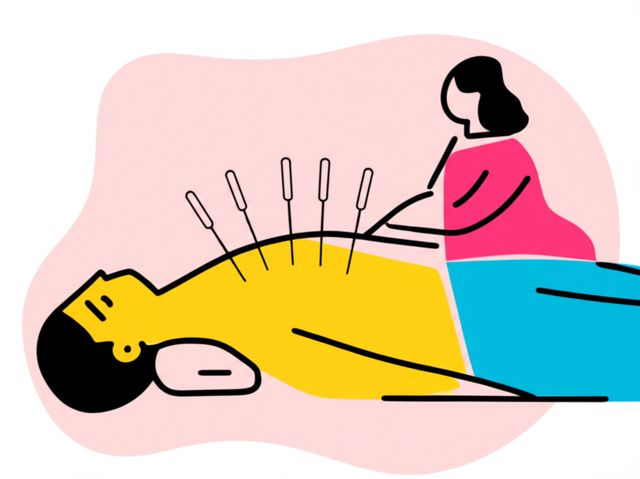
Acupuncture is a therapeutic practice rooted in Traditional Chinese Medicine (TCM) that involves the insertion of very thin needles into specific points on the body. The core principle behind acupuncture is the concept of "Qi" (pronounced "chee"), considered a vital life force or energy that flows through pathways in the body known as meridians. According to TCM, a balanced and freely flowing Qi is essential for health, while blockages or imbalances can lead to illness. Acupuncture aims to restore this balance, thereby promoting the body's natural healing capabilities and improving overall well-being.
The prospect of alleviating pain or managing chronic conditions through this ancient yet increasingly recognized practice can be compelling. For those interested in holistic health and a patient-centered approach, the intricate theories and techniques of acupuncture offer a unique and rewarding field of study. Furthermore, the growing integration of acupuncture into mainstream healthcare systems presents expanding opportunities for practitioners.
What is Acupuncture? A Deeper Look
At its heart, acupuncture is a component of Traditional Chinese Medicine, a comprehensive system of healthcare that has evolved over thousands of years. It's not just about needles; it encompasses a holistic view of the body and its connection to the environment. Practitioners assess a patient's overall health, looking for patterns of disharmony that may be contributing to their symptoms. The insertion of needles at specific acupoints is intended to stimulate the central nervous system, which in turn can release chemicals that may aid in healing and promote physical and emotional well-being.
3j4tmk|
Find a path to becoming a Acupuncture. Learn more at:
OpenCourser.com/topic/3j4tmk/acupunctur
Reading list
We've selected 25 books
that we think will supplement your
learning. Use these to
develop background knowledge, enrich your coursework, and gain a
deeper understanding of the topics covered in
Acupuncture.
An indispensable reference for acupuncture points and channels. provides detailed information on point location, needling techniques, and clinical applications. It is highly regarded by students and practitioners and is crucial for deepening one's understanding of the practical aspects of acupuncture. This core textbook in many programs.
Focuses on the practical application of Chinese Medicine theory to treat specific diseases and conditions using acupuncture and herbs. It provides detailed treatment protocols and case studies, making it invaluable for deepening clinical understanding. It core text for practitioners.
A detailed and comprehensive guide to diagnosis in Chinese Medicine. is essential for practitioners to accurately identify patterns of disharmony, which is crucial for effective acupuncture treatment. It key resource for deepening understanding and is widely used professionally.
Considered a standard textbook from China, this book provides a comprehensive overview of acupuncture and moxibustion theory and practice. It valuable resource for understanding the traditional approach and is often used in educational settings.
Provides a gentle and insightful introduction to the philosophies of Chinese Medicine, including acupuncture. It uses relatable language and metaphors to explain complex concepts, making it suitable for those with no prior background. It is valuable for gaining a broad understanding and appreciating the cultural context.
Likely focuses on the practical clinical application of acupuncture techniques. It would be useful for students and practitioners to understand how to apply theoretical knowledge in a clinical setting and deepen their practical skills.
Would delve into modern research, clinical applications, and potentially integrated approaches to acupuncture in contemporary China. It is valuable for understanding current practices and contemporary topics in the field.
Attempts to bridge the gap between Western medical science and the concepts of Chinese Medicine, including acupuncture. It offers a contemporary perspective on how acupuncture might work from a Western viewpoint, contributing to a deeper and more integrated understanding.
Similar to 'The Foundations of Chinese Medicine' but potentially with a more direct focus on acupuncture principles and theory. This would be suitable for gaining a broad understanding of the core concepts specific to acupuncture.
Likely covers the fundamental principles underlying acupuncture practice. It would be useful for gaining a broad understanding of how acupuncture is thought to work within the framework of Chinese Medicine theory.
While not solely focused on acupuncture, this book provides a comprehensive guide to dietary therapy based on Chinese Medicine principles. Understanding the role of diet is crucial for holistic treatment and can deepen one's understanding of patient care alongside acupuncture.
Explores the broader context of Chinese health cultivation practices, of which acupuncture part. It provides valuable insights into lifestyle, diet, and exercises that complement acupuncture treatment and contribute to overall well-being.
This translation of one of the oldest and most fundamental texts of Chinese Medicine. While dense, it offers invaluable insight into the ancient origins and underlying philosophy of acupuncture, making it a classic and essential for a deep historical understanding.
Is geared towards individuals receiving or considering acupuncture treatment. While not a practitioner's text, it can provide students and professionals with insight into the patient experience and common questions, contributing to a broader understanding of the field from a different perspective.
Comprehensive guide to the use of acupuncture for pain management. It provides step-by-step instructions on how to perform acupuncture treatments for a variety of pain conditions and is an essential resource for anyone who wants to learn how to use acupuncture to relieve pain.
Practical guide to the use of acupuncture for the treatment of pain. It provides step-by-step instructions on how to perform acupuncture treatments for a variety of pain conditions and is an essential resource for anyone who wants to learn how to use acupuncture to relieve pain.
Beginner's guide to acupuncture. It provides a basic overview of the history, theory, and practice of acupuncture and is an essential resource for anyone who wants to learn more about this ancient healing art.
Comprehensive guide to acupuncture for children. It provides a basic overview of the history, theory, and practice of acupuncture and is an essential resource for any parent who is considering acupuncture treatment for their child.
For more information about how these books relate to this course, visit:
OpenCourser.com/topic/3j4tmk/acupunctur

 Save
Save


