We may earn an affiliate commission when you visit our partners.

Facial Expressions

Save
May 1, 2024 Updated July 8, 2025 15 minute read

A Comprehensive Guide to Understanding Facial Expressions

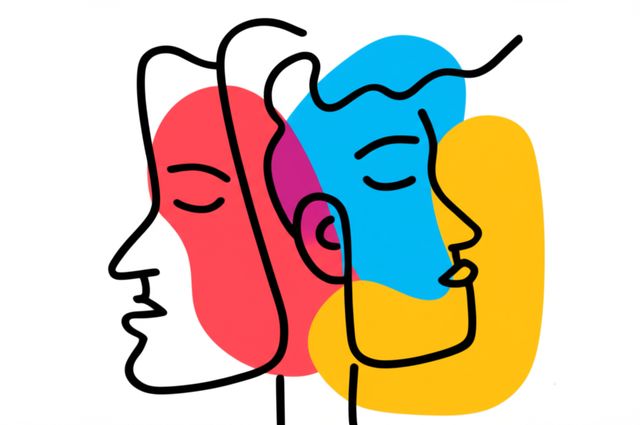
Facial expressions are a fundamental aspect of human interaction, a rich, nonverbal language understood across the globe. They are the movements of our facial muscles that convey our emotional state, intentions, and reactions to the world around us. From a subtle, fleeting smirk to a broad, joyful grin, our faces are constantly broadcasting information. This form of communication is so ingrained in our being that we often produce and interpret these signals without conscious thought, making them a powerful and honest component of how we relate to one another.

The study of facial expressions is not just an academic curiosity; it is a field with profound real-world implications. Understanding the nuances of a smile or a frown can unlock deeper insights in psychology, enhance the realism of an animated character, or even provide critical data for developing more intuitive artificial intelligence. For those drawn to the intricate dance of human emotion and behavior, exploring the world of facial expressions can be an endlessly fascinating journey, opening doors to careers that span from healthcare and technology to the arts and security.

Introduction to Facial Expressions

What Are Facial Expressions and Why Do They Matter?

At its core, a facial expression is the visible result of one or more motions or positions of the muscles beneath the skin of the face. These movements work in concert to change the configuration of our features—the eyes, eyebrows, mouth, nose, and cheeks—creating patterns that we associate with various feelings and thoughts. They are a primary channel of nonverbal communication, capable of supplementing, and at times even contradicting, our spoken words. A warm smile can reinforce a kind word, just as a furrowed brow can betray unspoken worry or disagreement.

Path to Facial Expressions

Take the first step.
We've curated 15 courses to help you on your path to Facial Expressions. Use these to develop your skills, build background knowledge, and put what you learn to practice.
Sorted from most relevant to least relevant:

Share

Help others find this page about Facial Expressions: by sharing it with your friends and followers:

Reading list

We've selected nine books that we think will supplement your learning. Use these to develop background knowledge, enrich your coursework, and gain a deeper understanding of the topics covered in Facial Expressions.
This classic work by Charles Darwin, originally published in 1872, provides the foundation for our contemporary understanding of how facial expressions play a crucial role in communicating our emotions.
This comprehensive book by a leading expert on facial expressions introduces the reader to the field's latest research and provides helpful tools and techniques to become more adept at recognizing and understanding facial expressions.
A leading expert on facial expressions examines the evolution of facial expressions to better understand their origin and function.
This recent book presents a superb overview of current thinking about facial expression research.
Carroll Izard has three decades of research on the relationship between emotions and their expression, and this book serves as a culmination and review of the field.
This manual provides a comprehensive system for coding facial expressions, offering a systematic approach to the study of facial expressions.
Combines current research on social cognition and neuroscience to provide an up-to-date look at the mechanisms of facial expression.
Is intended to help the reader attain a deep understanding of the relationship between emotions and facial expressions.
Table of Contents
Our mission

OpenCourser helps millions of learners each year. People visit us to learn workspace skills, ace their exams, and nurture their curiosity.

Our extensive catalog contains over 50,000 courses and twice as many books. Browse by search, by topic, or even by career interests. We'll match you to the right resources quickly.

Find this site helpful? Tell a friend about us.

Affiliate disclosure

We're supported by our community of learners. When you purchase or subscribe to courses and programs or purchase books, we may earn a commission from our partners.

Your purchases help us maintain our catalog and keep our servers humming without ads.

Thank you for supporting OpenCourser.

© 2016 - 2025 OpenCourser