
Vegetable Gardening
 Save
Save
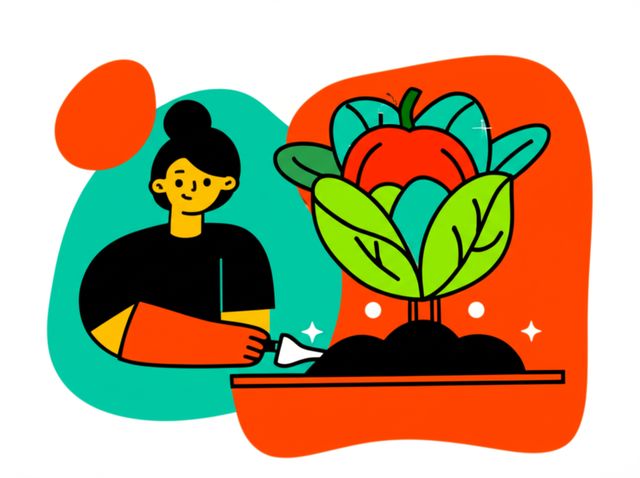
Vegetable gardening is the practice of cultivating vegetables for human consumption. It can range from a few pots on a balcony to large, dedicated plots of land. At its core, vegetable gardening involves understanding and working with natural systems to produce food. This includes preparing soil, selecting appropriate plant varieties, providing necessary water and sunlight, and managing pests and diseases. It's a pursuit that combines practical skills with a knowledge of plant science and ecology.
The appeal of vegetable gardening is multifaceted. For many, it offers the satisfaction of growing their own food, ensuring freshness and control over what they consume. There's an inherent excitement in nurturing a tiny seed into a thriving plant that produces edible results. Furthermore, vegetable gardening connects individuals to the natural world and the cycles of growth, offering a tangible sense of accomplishment and a deeper appreciation for where food comes from. The ability to step outside and harvest ingredients for a meal is a rewarding experience that many find deeply engaging.
Introduction to Vegetable Gardening
Vegetable gardening is a rewarding activity that connects you to the food you eat and the land it comes from. It's a journey of learning, patience, and ultimately, delicious rewards. Whether you have a sprawling backyard or a small urban balcony, growing your own vegetables is an accessible and fulfilling endeavor.
What is Vegetable Gardening?
At its most fundamental, vegetable gardening is the art and science of growing edible plants. This involves more than just sticking seeds in the ground; it's about creating a nurturing environment where plants can thrive. Key elements include understanding soil composition, ensuring adequate sunlight and water, and selecting vegetable varieties suited to your specific climate and space. It’s a hands-on process that allows you to witness the entire lifecycle of your food, from a tiny seed to a mature, harvestable vegetable.


