February 5, 2025
Updated July 14, 2025
11 minute read
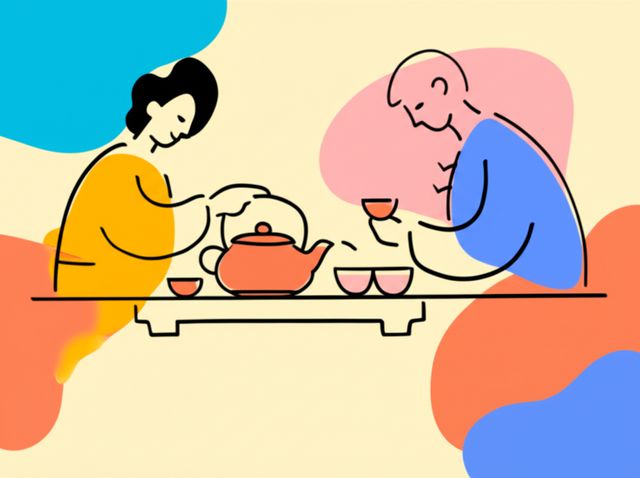
The Way of Tea: A Comprehensive Guide to Tea Ceremony
The tea ceremony, known in Japan as Chado or Chanoyu, is a traditional and highly stylized ritual of preparing and serving powdered green tea, or matcha. Far more than a simple act of hospitality, it is a comprehensive art form that encompasses philosophy, aesthetics, and a deep connection to nature. Each movement, from the unfolding of the silk cloth used to purify the tea scoop to the final bow between host and guest, is prescribed and imbued with meaning, transforming the gathering into a shared, meditative experience.
At its core, the practice offers a path to inner peace and a profound appreciation for the present moment. The deliberate, graceful actions of the host and the respectful participation of the guests create a unique atmosphere of tranquility and mutual consideration. For those drawn to its blend of artistic discipline and mindful living, the world of tea ceremony presents a rich and rewarding journey, whether as a personal practice, a field of academic study, or a unique professional calling.
An Introduction to the Art of Tea
What is a Tea Ceremony?
i8j5y8|
Find a path to becoming a Tea Ceremony. Learn more at:
OpenCourser.com/topic/i8j5y8/tea
Reading list
We've selected 17 books
that we think will supplement your
learning. Use these to
develop background knowledge, enrich your coursework, and gain a
deeper understanding of the topics covered in
Tea Ceremony.
This foundational text that provides a philosophical and aesthetic context for the Japanese tea ceremony, known as Teaism. While not a practical guide, it is essential for understanding the cultural significance and underlying principles that shaped the ceremony. It's a relatively short read and serves as excellent prerequisite knowledge for delving deeper into the topic.
Offers a sociological perspective on how the tea ceremony became intertwined with Japanese cultural identity and nationalism. It provides insights into the modern context and the institutionalization of tea practice. This more academic text suitable for those interested in the societal implications.
Offers a comprehensive cultural history of tea, touching on its journey across different regions and its evolution into various traditions, including tea ceremonies. It provides a strong historical and cultural foundation for understanding the context of tea ceremonies worldwide.
Offers a personal reflection on the life lessons learned through the practice of the Japanese tea ceremony. It focuses on the spiritual and philosophical growth that can be gained from the discipline, providing a unique perspective on the deeper meaning of the ceremony.
This handbook is geared towards a professional understanding of tea, focusing on tasting, evaluation, and knowledge of different teas. While not directly about the ceremony itself, it provides in-depth knowledge of the subject matter – tea – which is integral to the ceremony. It would be a valuable reference tool for those seeking to deepen their understanding of tea quality and characteristics.
Given that tea originated in China, this book provides essential historical and cultural background for understanding the roots of tea ceremonies across East Asia. It examines the religious and cultural significance of tea in China, offering a broader context for the Japanese tradition.
Likely focuses on the aesthetic and artistic elements of the Japanese tea ceremony, including the appreciation of the utensils, the tearoom, and the movements involved. It would be valuable for understanding the ceremony as a performing art and its connection to Japanese aesthetics.
Published recently, this book offers a contemporary perspective on Japanese tea through the author's travels and experiences. It covers various aspects of Japanese tea, including cultivation, processing, and traditions like the tea ceremony, making it accessible and engaging for a modern audience.
Serves as a good introduction to the rituals and practices of the Japanese tea ceremony. It is suitable for beginners and those curious about the steps and procedures involved in the ceremony. It can be a helpful guide for understanding the practical aspects.
Likely offers a more accessible and perhaps contemporary perspective on the benefits and practice of tea beyond the strict ceremonial aspects. It could be useful for those looking to connect the principles of the tea ceremony to personal well-being and daily life. This would be valuable as additional reading for a broader understanding.
Explores the significant role of women in the development and practice of tea culture during specific historical periods in Japan. It offers a unique and important perspective on the social history of tea ceremony and challenges traditional narratives. This specialized topic suitable for deeper study.
Provides a broad outline of Japanese tea, including its cultivation, manufacturing, history, and cultural values, such as the tea ceremony. It offers a solid introduction to Japanese tea for those seeking a general understanding before exploring the ceremony in more detail.
This guide covers various aspects of Japanese tea in a clear and accessible manner, including a section on the tea ceremony. It's a good resource for beginners looking for a well-rounded introduction to Japanese tea and its cultural practices.
While not solely focused on tea ceremony, this book provides a broad introduction to the world of tea, covering various regions and types. It can offer helpful background knowledge on the origin and diversity of tea, which is relevant context for understanding the different traditions of tea ceremony. It's a good starting point for beginners before specializing.
Provides a detailed look at the process of tea from cultivation to enjoyment. Understanding how tea is grown and processed adds a layer of appreciation for the beverage central to any tea ceremony. It serves as a useful reference for those interested in the agricultural and production aspects.
Focuses on a specific type of tea, Puerh, which is mentioned in the course descriptions. It examines the cultural and economic significance of Puerh tea, particularly in a contemporary context. While not about ceremony broadly, it offers a deep dive into a significant tea type.
For more information about how these books relate to this course, visit:
OpenCourser.com/topic/i8j5y8/tea

 Save
Save


