May 1, 2024
Updated June 28, 2025
12 minute read
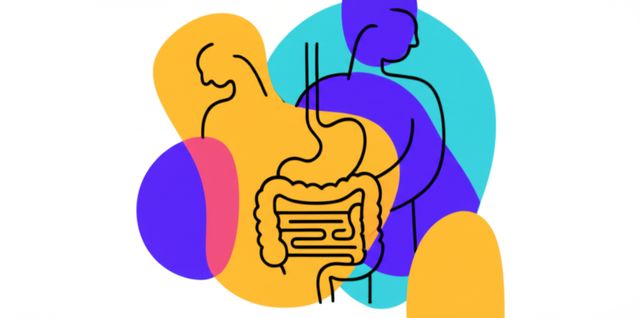
An Introduction to the Systems of the Human Body
The human body is an intricate and sophisticated biological machine, composed of trillions of cells that work in concert to sustain life. To comprehend this complexity, we study the body in terms of its various systems—groups of organs and tissues that collaborate to perform essential functions. From the rhythmic beat of the heart circulating life-giving blood to the silent, instantaneous firing of neurons that form our thoughts, each body system carries out a specialized role. Understanding these systems is fundamental to the fields of biology, medicine, and health sciences.
ycmipm|
Find a path to becoming a Body Systems. Learn more at:
OpenCourser.com/topic/ycmipm/body
Reading list
We've selected 42 books
that we think will supplement your
learning. Use these to
develop background knowledge, enrich your coursework, and gain a
deeper understanding of the topics covered in
Body Systems.
The definitive classic anatomical reference. While very detailed and comprehensive, it is more suited for advanced students and professionals due to its depth and complexity. It is an invaluable resource for detailed anatomical information and is considered a must-read for serious study.
Widely used and highly regarded textbook for students beginning their study of anatomy. It provides a regional approach to the human body, making it particularly useful for visualizing how different structures within a region relate to each other. It includes clinical correlations which help solidify understanding of how anatomical concepts apply in real-world medical scenarios. It is commonly used as a textbook in undergraduate and graduate health science programs.
This foundational textbook in the field of medical physiology, providing in-depth coverage of how the body's systems function at a cellular and organ level. While more advanced than introductory texts, it's essential for a deeper understanding of the physiological processes within body systems and standard reference in medical and graduate programs.
A rigorous and detailed textbook on medical physiology, often used in medical schools and graduate programs. is for those seeking a deep and comprehensive understanding of physiological mechanisms. It valuable reference for advanced study.
Another highly respected and comprehensive physiology textbook, Berne & Levy provides detailed explanations of physiological mechanisms and their regulation within body systems. It's a valuable resource for advanced undergraduate and graduate students seeking a deeper understanding of how the body works.
This comprehensive textbook is known for its balanced approach to both anatomy and physiology, emphasizing the interconnectedness of structure and function. It utilizes a homeostatic approach, which is crucial for understanding how body systems maintain internal balance. valuable reference tool and is frequently used as a core textbook in undergraduate anatomy and physiology courses. The 16th edition was published recently, ensuring updated content.
Another highly popular textbook for introductory to intermediate anatomy and physiology courses. is excellent for gaining a broad understanding and is often used in undergraduate programs. It provides clear explanations and integrates concepts effectively.
Saladin's text is praised for its engaging narrative that tells the 'story' of the human body, integrating core science with clinical applications and evolutionary perspectives. This approach helps students gain a deeper appreciation for the subject beyond just memorization. It's a commonly used textbook in introductory anatomy and physiology courses and serves as a strong foundation for understanding body systems.
Offers a concise yet comprehensive review of medical physiology, making it ideal for consolidating knowledge and preparing for exams. It is particularly useful for undergraduate and graduate students seeking to deepen their understanding after initial exposure to the subject.
This textbook is known for its clear and accessible writing style and strong visual program, designed to help students understand challenging A&P concepts. It's a widely adopted textbook for introductory courses and provides a solid basis for understanding the fundamentals of body systems. The 11th edition recent publication.
Netter's Atlas is perhaps one of the most iconic and widely used anatomy atlases globally. Known for its clear and aesthetically pleasing illustrations, it's an excellent resource for visual learners and provides a comprehensive view of human anatomy. It's a must-have reference for students and professionals alike when studying body systems.
Combining Netter's renowned illustrations with clear physiological explanations, this book bridges the gap between anatomy and physiology. It strong resource for visual learners and is suitable for undergraduate and graduate students.
A condensed version of Marieb's larger textbook, this book provides a solid foundation in anatomy and physiology for shorter courses or those needing a less exhaustive text. It's suitable for high school or introductory undergraduate levels.
Designed for shorter anatomy and physiology courses, this book provides a solid, basic understanding of essential concepts. It focuses on presenting critically important information clearly and concisely, making it a good starting point for those new to the topic or in a one-semester course. It's often used as a textbook and can be a helpful resource for solidifying foundational knowledge.
Vander's well-regarded physiology textbook that focuses on the mechanisms behind body functions. It's suitable for undergraduate students and provides a solid understanding of how different physiological processes occur within body systems. It complements anatomy texts by explaining the 'how' behind the 'what'.
Delves into the fascinating and increasingly important topic of the human microbiome. It provides a contemporary perspective on how microbial life interacts with our body systems, offering a deeper understanding of health and disease beyond traditional anatomy and physiology.
Featuring high-quality dissection photographs, this atlas provides a realistic view of human anatomy. It's a valuable supplement to textbooks and anatomical models, particularly for students who benefit from photographic representation. Suitable for undergraduate and graduate levels.
A more concise version of Gray's Anatomy for Students, this book focuses on the essential anatomical information. It's a good option for those who need a solid introduction to anatomy without the exhaustive detail of a full-sized anatomy text. It can help solidify foundational anatomical knowledge of body systems.
Explores the evolutionary history of the human body and how it relates to modern health and disease. It provides a broader context for understanding why our body systems are structured and function the way they do, suitable for undergraduate and graduate students interested in a deeper dive.
Approaches medical terminology by body system, which can be very helpful for learners. It's a practical resource for high school and undergraduate students to learn and apply medical terms within the context of specific body systems.
Understanding the microscopic structure of tissues is crucial for comprehending body systems. provides a comprehensive look at histology with excellent images, suitable for undergraduate and graduate students needing to deepen their understanding at a cellular level.
Anatomy atlases are essential companions to textbooks for visualizing the structures of the body. Grant's Atlas classic resource known for its detailed and accurate illustrations, often based on cadaveric dissections. While not a textbook, it's an invaluable reference tool for anyone studying anatomy and provides crucial visual context for understanding body systems.
Understanding medical terminology is foundational to studying body systems. provides a clear and engaging introduction to the language of medicine, essential for high school and undergraduate students. It helps in building the vocabulary needed to comprehend more advanced texts.
This textbook is designed for introductory courses and focuses on fundamental concepts of anatomy and physiology. It aims to make the subject approachable for students with limited science backgrounds, providing a good starting point for gaining a broad understanding of body systems.
For more information about how these books relate to this course, visit:
OpenCourser.com/topic/ycmipm/body

 Save
Save


