We may earn an affiliate commission when you visit our partners.
Course image
EDUCBA

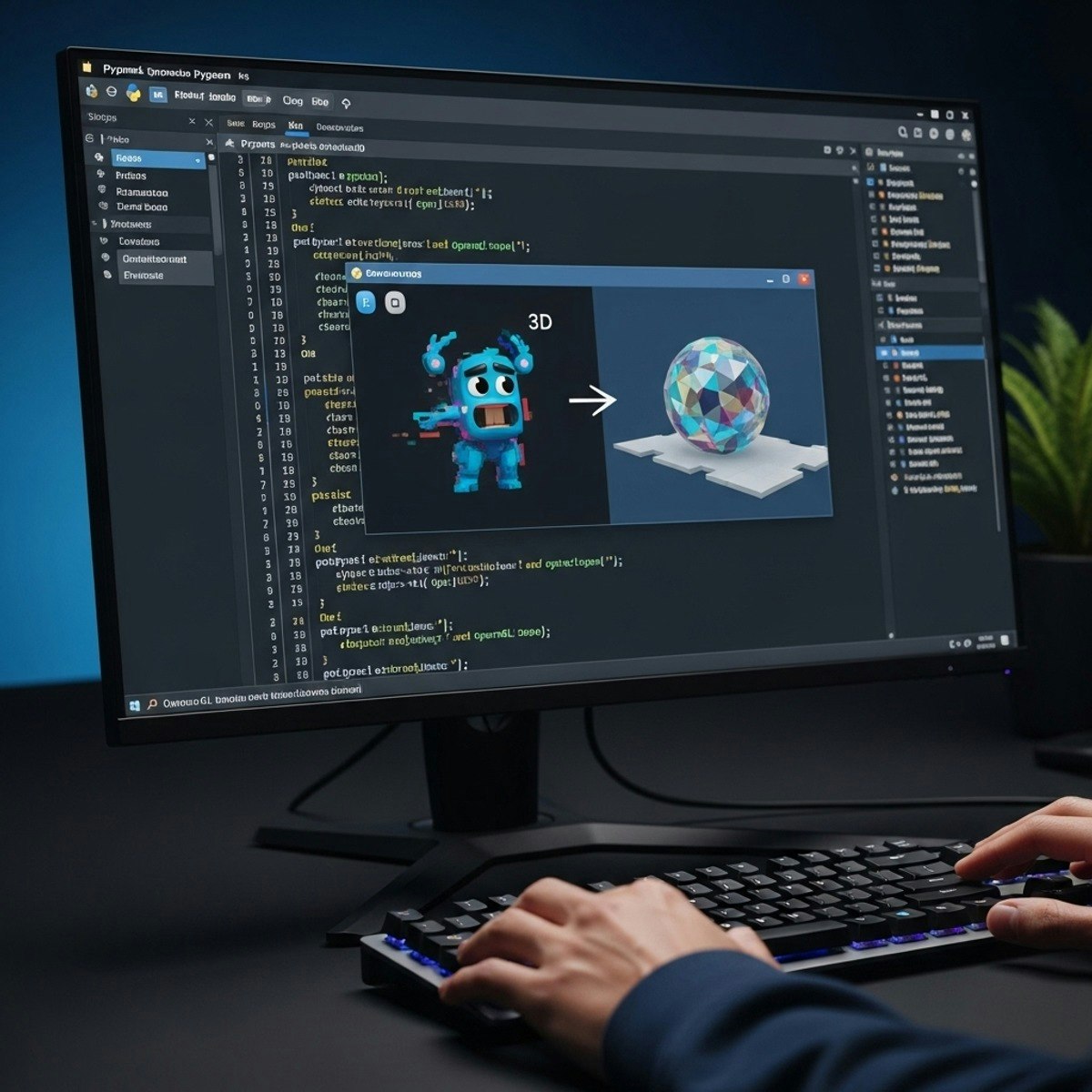
This advanced-level course benefits learners by bridging the gap between 2D game basics and full-scale interactive applications. Participants will start by developing smooth sprite animations with sound integration and then progress to designing functional GUIs that enhance gameplay. Finally, they will enter the world of 3D rendering, learning how to create, animate, and display immersive objects using OpenGL.

Read more

This advanced-level course benefits learners by bridging the gap between 2D game basics and full-scale interactive applications. Participants will start by developing smooth sprite animations with sound integration and then progress to designing functional GUIs that enhance gameplay. Finally, they will enter the world of 3D rendering, learning how to create, animate, and display immersive objects using OpenGL.

What makes this course unique is its step-by-step project-driven approach, which blends theory with hands-on coding. Learners will see their code evolve into a fully interactive game, gaining practical, portfolio-ready experience. With a focus on real-world application, the course empowers students to analyze, design, and implement game mechanics that mirror professional development practices.

Enroll now

What's inside

Syllabus

Building 2D Game Foundations
This module introduces learners to the core mechanics of 2D game development using Python and Pygame. Students explore sprite creation, coding, and animation techniques, gradually building from foundational sprite mechanics to a playable 2D game environment. By combining graphics and sound, they gain hands-on experience in designing engaging 2D game components that form the backbone of interactive applications.
Read more

Save this course

Create your own learning path. Save this course to your list so you can find it easily later.
Save

Activities

Coming soon We're preparing activities for Python Game Development: Design, Animate & Render. These are activities you can do either before, during, or after a course.

Career center

Learners who complete Python Game Development: Design, Animate & Render will develop knowledge and skills that may be useful to these careers:
Game Developer
A Game Developer transforms creative concepts into playable interactive experiences. This course offers a significant advantage for aspiring Game Developers, as it directly addresses the core technical aspects required. Learners implement sprite mechanics, integrate sound effects, and design graphical user interfaces, which are paramount for engaging gameplay. By progressing from 2D game foundations using Pygame to designing and rendering immersive 3D environments with OpenGL, participants gain hands-on, portfolio-ready experience, mirroring professional development practices. This comprehensive approach empowers students to analyze, design, and implement game mechanics, making this course an ideal stepping stone into a dynamic career in game creation.
Gameplay Programmer
A Gameplay Programmer focuses on bringing game logic and interactive systems to life, ensuring player actions and game rules function seamlessly. This course is particularly well-suited for those aiming to become a Gameplay Programmer. It provides practical experience in implementing sprite mechanics, crucial for character movement and interaction, and integrating sound effects to enhance player feedback. The project-driven approach, which includes building playable 2D game environments and expanding into interactive 3D spaces, directly aligns with the demands of crafting engaging gameplay. Learners gain confidence in designing advanced projects and implementing game mechanics, essential skills for this specialized role.
Graphics Programmer
A Graphics Programmer is responsible for rendering visual content, from intricate 3D models to dynamic lighting effects. For an aspiring Graphics Programmer, this course offers highly relevant skills. It covers the essential techniques for rendering 3D objects using Python libraries like OpenGL, allowing learners to create, animate, and display immersive visual elements. Furthermore, the course delves into 2D graphics with Pygame, teaching sprite creation and animation, which builds a strong foundational understanding of visual pipelines. The practical, project-driven methodology ensures participants gain direct experience in generating interactive 2D and 3D graphics, preparing them for complex rendering challenges.
Rendering Engineer
A Rendering Engineer specializes in the intricate process of creating and optimizing graphical pipelines, often working with low-level graphics APIs to achieve high-performance visuals. For an aspiring Rendering Engineer, this course provides a crucial hands-on introduction to 3D graphics rendering using OpenGL. Learners gain practical experience in creating, animating, and displaying immersive 3D objects, building a foundational understanding of rendering techniques. This initial exposure to the technical challenges of graphical display is an excellent starting point, though this highly specialized role typically requires an advanced degree for deep expertise in computer graphics and optimization.
Tools Programmer
A Tools Programmer creates and maintains custom software applications that enhance the efficiency of development teams, often used in game studios or other interactive media companies. This course is highly beneficial for aspiring Tools Programmers due to its strong emphasis on designing functional GUI interfaces using Tkinter. Mastery of graphical user interface development is central to building effective tools. Additionally, the course's focus on Python provides a versatile scripting language often preferred for tool creation, while the general understanding of 2D and 3D interactive applications helps in designing tools that cater to specific development needs and workflows.
Interactive Application Developer
An Interactive Application Developer builds software that actively responds to user input, creating dynamic and engaging experiences across various platforms. This course is highly relevant for individuals pursuing a career as an Interactive Application Developer. It directly focuses on bridging the gap between basic game mechanics and full-scale interactive applications. Learners develop skills in designing functional GUI interfaces with Tkinter, implementing sprite mechanics, and rendering 3D objects with OpenGL. The step-by-step, project-driven approach empowers participants to analyze, design, and implement diverse interactive solutions, providing practical experience in creating user-driven, immersive applications.
Simulation Developer
A Simulation Developer creates virtual environments and interactive models used for training, analysis, or research across various industries. This course offers substantial preparation for a career as a Simulation Developer. Learners gain expertise in rendering 3D objects and designing interactive 3D environments using OpenGL, core competencies for building realistic simulations. The ability to integrate sound effects and design functional GUI interfaces using Tkinter further enhances the creation of immersive and user-friendly simulation experiences. The project-driven approach, blending theory with hands-on coding, provides practical, portfolio-ready experience in developing comprehensive interactive applications.
User Interface Developer
A User Interface Developer is responsible for implementing the visual and interactive elements of a software application, ensuring a seamless and intuitive user experience. This course provides direct and pertinent skills for those aspiring to be a User Interface Developer. The second module specifically focuses on GUI programming with Tkinter, teaching students how to design interactive game interfaces and structure functional GUI elements. This practical expertise in creating user-driven experiences, combined with the ability to integrate visual and sound components from the 2D game foundations, prepares learners to build compelling and effective interfaces for a wide range of interactive applications.
Software Engineer specializing in Graphics
A Software Engineer specializing in Graphics designs and implements advanced visual systems for various applications, from games to scientific visualization. This course provides a strong entry point for a Software Engineer specializing in Graphics. The curriculum covers rendering 3D objects using OpenGL and developing interactive 3D environments, which are fundamental skills in this field. It also introduces 2D graphics and animation with Pygame. The project-driven methodology provides practical experience in implementing visual components and understanding the underlying mechanics of graphical rendering, offering a solid foundation for more advanced studies and professional roles in graphics software development.
Python Developer with a focus on Interactive Media
A Python Developer with a focus on Interactive Media leverages Python's versatility to create engaging applications featuring graphics, sound, and user interaction. This course is an excellent fit for developing specific expertise as a Python Developer with a focus on Interactive Media. It employs Python libraries such as Pygame, Tkinter, and OpenGL to teach sprite mechanics, sound integration, GUI design, and 3D rendering. The course's project-driven approach ensures learners build portfolio-ready interactive applications, from 2D games to 3D environments, gaining practical experience in crafting user-driven and visually rich software solutions using Python.
Creative Coder
A Creative Coder uses programming as an artistic medium to generate visuals, interactive installations, and digital experiences. This course may be useful for an aspiring Creative Coder, offering direct application of its skills towards artistic expression. Learners acquire expertise in sprite creation, animation techniques, and rendering 3D objects with OpenGL, enabling them to bring dynamic visual concepts to life. The focus on developing smooth sprite animations and designing engaging interactive applications fosters a project-driven mindset, allowing individuals to transform theoretical knowledge into tangible, interactive artistic creations suitable for a diverse portfolio.
Technical Artist
A Technical Artist bridges the gap between artistic vision and technical implementation, often creating tools and pipelines for artists while understanding the underlying code. This course may be useful for an aspiring Technical Artist, as it provides a valuable understanding of how visual assets are implemented and rendered. Learners gain hands-on experience in sprite creation, animation techniques, and rendering 3D objects with OpenGL, directly relevant to the technical aspects of art production. Understanding GUI design with Tkinter can also aid in developing custom artist tools. This technical insight into graphics and interactive development can greatly enhance communication between art and programming teams.
Educational Technology Developer
An Educational Technology Developer designs and creates interactive learning tools and platforms, often incorporating engaging visuals and user experiences. This course may be useful for a career as an Educational Technology Developer. Its focus on building engaging 2D games, designing functional GUI interfaces with Tkinter, and expanding into interactive 3D environments provides directly transferable skills for creating compelling educational content. The ability to integrate sound effects and implement sprite mechanics can make learning experiences more dynamic and interactive, offering practical expertise in developing user-driven applications that enhance pedagogical outcomes.
Virtual Reality Developer
A Virtual Reality Developer crafts immersive digital worlds and interactive experiences, requiring expertise in 3D graphics and real-time interaction. This course may be useful for an aspiring Virtual Reality Developer, as it builds a fundamental understanding of 3D rendering with OpenGL and designing interactive 3D environments. While specific VR SDKs are not covered, the skills in creating, animating, and displaying immersive 3D objects are core to VR development. Learners also gain experience with functional GUIs and interactive applications, which are essential for user interfaces within virtual spaces, preparing them for the advanced concepts in VR.
Augmented Reality Developer
An Augmented Reality Developer creates interactive experiences that overlay digital content onto the real world, demanding strong 3D graphics and real-time rendering skills. This course may be useful for an aspiring Augmented Reality Developer by providing foundational competencies in rendering 3D objects using OpenGL. The ability to design interactive 3D environments and integrate visual elements with precision is directly applicable to AR. While specific AR frameworks are beyond its scope, the course's emphasis on building interactive applications and creating immersive 3D content prepares learners for the advanced technical challenges of developing compelling augmented reality experiences.

Reading list

We haven't picked any books for this reading list yet.
This pragmatic guide offers a concise overview of Python's core language features. It's a useful resource for developers who want to quickly grasp the essentials and key concepts of Python without a lengthy introduction.
Great introduction to computer science for beginners. It covers a variety of topics, from algorithms and data structures to object-oriented programming and functional programming.
Is an excellent starting point for beginners who want to learn the basics of Python programming. It covers a wide range of topics, from the fundamentals of the language to more advanced concepts like object-oriented programming and data structures.
Ideal for beginners who want to quickly apply Python to practical tasks. focuses on using Python to automate everyday computer tasks, such as working with files, web scraping, and sending emails. It assumes no prior programming experience and is highly regarded for its clear, step-by-step instructions and focus on immediate productivity gains. The second edition widely used and practical resource.
Uses Python to introduce fundamental computer science concepts. It's a good choice for students or self-learners who want to learn programming within the context of computer science principles. The 3rd edition provides a solid foundation in both Python and computational thinking.
Must-read for anyone who wants to improve their Python programming skills. It covers a variety of advanced topics, from metaprogramming and decorators to generators and coroutines.
Comprehensive reference guide that covers all aspects of the Python language. It great resource for experienced programmers who need to quickly look up information.
Great introduction to data analysis with Python. It covers a variety of topics, from data cleaning and wrangling to data visualization and machine learning.
Great introduction to data analysis for finance with Python. It covers a variety of topics, from data cleaning and wrangling to data visualization and machine learning.
Comprehensive introduction to Python programming. It covers a wide range of topics, from the fundamentals of the language to more advanced concepts like object-oriented programming and data structures.
Is an excellent starting point for anyone new to Python or programming in general. It covers fundamental programming concepts and Python basics with a hands-on, project-based approach, making it very practical for beginners. The third edition is updated to cover newer Python versions and is widely recommended for its clear explanations and engaging projects. It's often used as an introductory textbook.
Is highly recommended for intermediate to advanced Python programmers looking to write more idiomatic and efficient code. It explores Python's often-overlooked features and best practices, delving into topics like data structures, the Python data model, and metaprogramming. It's a valuable resource for deepening understanding and is considered a must-read for those aiming for mastery.
A collection of practical tips and techniques for writing better Python code. focuses on Pythonic practices, lesser-known functionality, and built-in tools to help developers write cleaner, faster, and more robust code. It's suitable for those with a basic understanding of Python who want to improve their coding style and efficiency.
Essential for anyone interested in using Python for data science and analysis. Written by the creator of the pandas library, this book provides comprehensive guidance on manipulating, processing, cleaning, and crunching datasets using pandas, NumPy, and Jupyter. The 3rd edition is updated for recent library versions and standard reference in the data science community.
Offers a collection of tips and tricks to help intermediate Python developers write more professional and Pythonic code. It provides concise explanations and practical examples of various Python features, making it a useful resource for leveling up coding skills and discovering best practices.
While not exclusively a Python book, 'Clean Code' foundational text for any programmer. It teaches principles of writing readable, maintainable, and well-structured code, which are crucial for developing robust applications in Python. provides valuable context and best practices that complement Python-specific knowledge.
A classic computer science textbook that covers fundamental algorithms and data structures. While not Python-specific, understanding these concepts is essential for writing efficient Python programs, especially in technical or academic settings. provides the theoretical foundation necessary for tackling complex problems with Python.
Following up on 'Automate the Boring Stuff,' this book delves into writing cleaner and more maintainable Python code. It covers topics like code formatting, refactoring, and testing, which are essential for building larger and more complex projects.

Share

Help others find this course page by sharing it with your friends and followers:

Similar courses

Similar courses are unavailable at this time. Please try again later.
Our mission

OpenCourser helps millions of learners each year. People visit us to learn workspace skills, ace their exams, and nurture their curiosity.

Our extensive catalog contains over 50,000 courses and twice as many books. Browse by search, by topic, or even by career interests. We'll match you to the right resources quickly.

Find this site helpful? Tell a friend about us.

Affiliate disclosure

We're supported by our community of learners. When you purchase or subscribe to courses and programs or purchase books, we may earn a commission from our partners.

Your purchases help us maintain our catalog and keep our servers humming without ads.

Thank you for supporting OpenCourser.

© 2016 - 2025 OpenCourser