May 1, 2024
Updated May 9, 2025
23 minute read
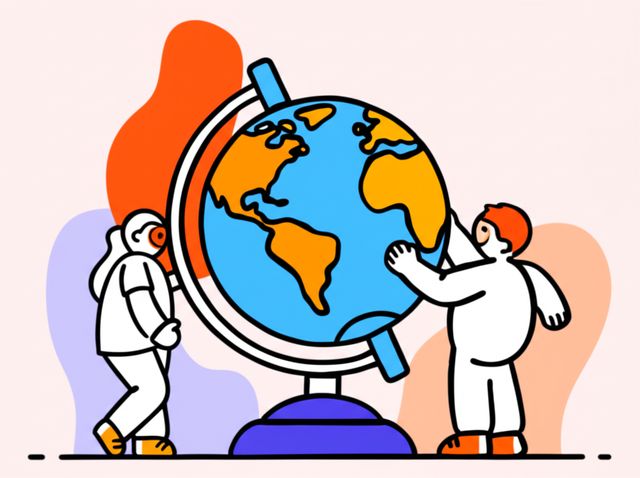
Geography is the discipline that examines the Earth's lands, features, inhabitants, and phenomena. It's an all-encompassing field that seeks to understand our planet and its human and natural complexities – not just where things are, but how they've changed and come to be. Geography acts as a vital bridge, connecting the natural sciences with the social sciences. Many find the study of geography engaging due to its inherent interdisciplinarity; it allows for the exploration of diverse topics such as economics, health, climate, and culture, all through a spatial lens. Furthermore, the practical application of geographic knowledge in addressing real-world problems, from urban planning to environmental conservation, offers a stimulating and impactful path for many.
For those new to the field, geography might initially seem like simply memorizing capitals and countries. However, it is a dynamic and analytical science that involves understanding complex relationships between human societies and their environments. It's about asking critical questions: Why are cities located where they are? How do global trade patterns affect local communities? What are the impacts of climate change on different regions? These inquiries drive geographers to explore, analyze, and ultimately, contribute to a better understanding of our interconnected world.
What is Geography?
eu5xz5|
Find a path to becoming a Geography. Learn more at:
OpenCourser.com/topic/eu5xz5/geograph
Reading list
We've selected seven books
that we think will supplement your
learning. Use these to
develop background knowledge, enrich your coursework, and gain a
deeper understanding of the topics covered in
Geography.
This comprehensive atlas provides detailed maps and information on all countries of the world. The atlas also includes thematic maps on topics such as climate, population, and resources.
This introductory textbook on cultural geography examines the relationship between culture and space. It explores how culture influences the way people perceive and interact with their environment. The book offers a comprehensive overview of the key concepts and theories in cultural geography.
This textbook provides a comprehensive introduction to economic geography. It explores the spatial distribution of economic activities, the factors that influence economic development, and the impact of economic processes on the environment.
This textbook provides an introduction to the field of political geography. It examines the relationships between politics and geography, including the impact of political factors on the physical landscape and the role of geography in shaping political outcomes.
For more information about how these books relate to this course, visit:
OpenCourser.com/topic/eu5xz5/geograph

 Save
Save


