May 1, 2024
Updated May 9, 2025
19 minute read
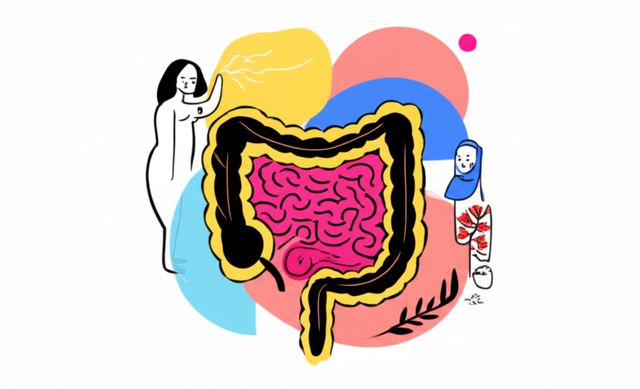
Gut health refers to the balance and function of the myriad of microorganisms residing in your digestive tract, primarily the intestines. This intricate internal ecosystem, often called the gut microbiome, plays a pivotal role that extends far beyond simple digestion. It influences nutrient absorption, immune system development, and even mood and mental clarity. Understanding gut health is becoming increasingly recognized as fundamental to overall well-being, making it a fascinating and rapidly evolving field of study and practice.
rhfd28|
Find a path to becoming a Gut Health. Learn more at:
OpenCourser.com/topic/rhfd28/gut
Reading list
We've selected 27 books
that we think will supplement your
learning. Use these to
develop background knowledge, enrich your coursework, and gain a
deeper understanding of the topics covered in
Gut Health.
Focuses on the critical role of fiber in supporting a healthy gut microbiome. It provides practical, evidence-based guidance on dietary approaches to improve gut health. It's a must-read for anyone looking to understand the practical application of gut health principles and is highly relevant for all audience levels, offering actionable insights for personal health and professional advice.
Provides an engaging and accessible introduction to the complex world of the gut and its microbiome. It's excellent for gaining a broad understanding of how the digestive system works and the impact of gut bacteria on overall health. While not a textbook, it lays crucial groundwork and is highly recommended as a starting point for anyone new to the topic. It's particularly useful for high school and early undergraduate students.
Authored by leading researchers in the field, this book offers a comprehensive look at the gut microbiome and its influence on various aspects of health. It bridges the gap between scientific research and practical advice, making it suitable for both broad understanding and deeper dives. It's a strong recommendation for undergraduates and interested professionals.
Written by a leading neurogastroenterologist, this book explores the intricate communication system between the gut and the brain. It's valuable for deepening understanding by highlighting the significant impact of gut health on mental and emotional well-being. serves as excellent additional reading for undergraduates and can provide valuable context for graduate students and professionals interested in the gut-brain axis.
This recent publication aims to provide an evidence-based overview of gut health research, cutting through popular myths and fads. It's valuable for gaining a scientifically grounded understanding of contemporary topics in the field. Suitable for students and professionals who want a concise summary of current research.
Presents a specific plan for improving gut health, focusing on the role of specific bacteria and fermented foods. It delves into contemporary topics like SIBO and provides practical strategies. It's suitable for those looking for actionable steps and is relevant for all audience levels interested in applying gut health principles.
A follow-up to The Mind-Gut Connection, this book focuses specifically on the intricate relationship between the gut microbiome and the immune system. It explores how disruptions in this connection can contribute to chronic diseases. is excellent for deepening understanding of a key contemporary area of gut health research and is valuable for graduate students and professionals.
A long-standing resource in the field of digestive health, this book offers a comprehensive guide to understanding and addressing various digestive issues through natural therapies and dietary changes. It's valuable for both broad understanding and deeper exploration of specific conditions. It serves as a useful reference tool for practitioners and individuals alike.
Written by a genetics expert, this book explores the impact of diet on the gut microbiome and challenges conventional dietary advice. It provides a scientific perspective on personalized nutrition and the diversity of gut microbes. It's valuable for deepening understanding and exploring contemporary ideas about diet and gut health.
Focuses on the cutting-edge research regarding the influence of gut microbes on mental health and mood. It's excellent for exploring contemporary topics and deepening understanding of the gut-brain axis from a psychological perspective. This book is valuable for graduate students and professionals in relevant fields, as well as interested readers seeking advanced insights.
Written by a surgeon specializing in the gut microbiome, this recent book examines the microbiome's role as a 'missing link' in modern medicine. It discusses the evolution of microbes and their crucial role in physical and mental health, touching on contemporary research. It's suitable for those interested in the latest scientific perspectives and clinical implications.
Challenges the traditional view of the human body by highlighting the vast number and crucial role of microbes. It provides a fascinating perspective on how our microbial inhabitants impact our health, including discussions on modern diseases. It's excellent for gaining a broad understanding and appreciating the significance of the microbiome.
Explores the profound connection between gut health and brain health, linking the microbiome to neurological conditions. It's valuable for deepening understanding of the gut-brain axis and its implications. Suitable for readers looking to explore the broader impacts of gut health beyond digestion.
Building on a previous edition, this book details the complex relationship between diet, gut microbiota, and health, including emerging practical applications. It's suitable for deepening understanding, particularly for those interested in the nutritional aspects of gut health. Relevant for upper-level undergraduates, graduate students, and professionals in nutrition and health fields.
Part of the popular '... for Dummies' series, this book aims to make the science of gut health accessible to a broad audience. It covers fundamental concepts and practical advice in an easy-to-understand format. It's an excellent resource for gaining a broad understanding and is particularly well-suited for high school and early undergraduate students, or anyone new to the topic.
Delves into the impact of antibiotic overuse on the human microbiome and the rise of chronic diseases. It offers a critical perspective on a contemporary issue in gut health and is important for understanding the factors that disrupt the microbiome. Suitable for a wide audience interested in the ecological aspects of gut health.
Another book by Dr. Robynne Chutkan, this one offers a broader approach to healing the gut microbiome through diet and lifestyle. It emphasizes the importance of beneficial bacteria and provides practical strategies for restoring microbial balance. It's suitable for a general audience seeking actionable steps for improving gut health.
Offers a personalized approach to improving gut health, focusing on identifying and addressing individual imbalances. It provides practical strategies and is useful for those seeking a more tailored understanding and treatment plan. Suitable for individuals and practitioners interested in functional approaches to gut health.
From a well-known science journalist and doctor, this book explains the importance of the gut microbiome and offers a dietary approach to improve it. It's accessible and practical, focusing on how diet impacts gut health. Suitable for a general audience seeking to understand and improve their gut health through food.
Explores the role of the gut microbiome in our overall health, and how it affects our immune system, our metabolism, and our mood.
Written by a gastroenterologist, this book offers a practical plan for improving gut health and addressing common issues like bloating. It provides a broad understanding of gut function and practical steps for improvement. While it has a specific focus, it offers valuable general knowledge for a wide audience.
Provides a personalized plan for restoring gut health and preventing chronic disease. It includes a variety of dietary recommendations, recipes, and lifestyle tips.
Provides a diet plan based on the latest research on the gut microbiome. It includes recipes and meal plans to help you improve your gut health and lose weight.
Provides a comprehensive overview of probiotics, their benefits, and how to choose the right probiotic for your needs.
For more information about how these books relate to this course, visit:
OpenCourser.com/topic/rhfd28/gut

 Save
Save


