Sorry, this page is no longer available
We may earn an affiliate commission when you visit our partners.

Trigger Point Therapy

Save
May 1, 2024 Updated June 25, 2025 18 minute read
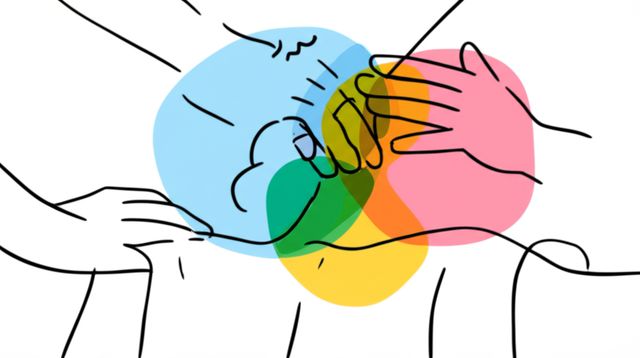
An Introduction to Trigger Point Therapy

Trigger point therapy is a focused approach to relieving pain by addressing specific hyperirritable spots within muscles, commonly known as trigger points or "knots." These trigger points can cause localized pain and often "refer" pain to other areas of the body, sometimes distant from the trigger point itself. This therapy aims to release the tension in these knots, thereby reducing pain, improving range of motion, and restoring normal muscle function. It's a hands-on treatment that can bring significant relief to those suffering from various musculoskeletal issues.

For individuals exploring healthcare modalities, trigger point therapy offers a fascinating avenue for direct patient impact. The ability to identify and treat the root cause of muscular pain and dysfunction can be incredibly rewarding. Understanding the intricate network of how muscles and referred pain patterns work offers a unique diagnostic and therapeutic challenge. Furthermore, the growing recognition of myofascial pain means that skilled practitioners are increasingly sought after in various healthcare and wellness settings.

What is Trigger Point Therapy?

At its core, trigger point therapy is a soft tissue technique designed to alleviate pain by deactivating trigger points. These points are essentially small, contracted areas within a muscle that can feel like a palpable nodule or taut band. When a trigger point is active, it can cause not only local tenderness but also characteristic referred pain patterns, meaning you might feel pain in your head from a trigger point in your neck or shoulder. The therapy works by applying pressure to these points, encouraging the contracted muscle fibers to relax, which in turn can reduce pain and improve movement.

Path to Trigger Point Therapy

Take the first step.
We've curated seven courses to help you on your path to Trigger Point Therapy. Use these to develop your skills, build background knowledge, and put what you learn to practice.
Sorted from most relevant to least relevant:

Share

Help others find this page about Trigger Point Therapy: by sharing it with your friends and followers:

Reading list

We've selected five books that we think will supplement your learning. Use these to develop background knowledge, enrich your coursework, and gain a deeper understanding of the topics covered in Trigger Point Therapy.
This classic book is considered the foundational text on trigger point therapy. It provides a detailed exploration of the science behind trigger points and their clinical applications.
An authoritative reference written by experts in the field, this book offers an in-depth exploration of trigger point therapy, including its history, principles, and techniques. Suitable for advanced readers or professionals seeking a comprehensive understanding of the subject.
A comprehensive manual written by physical therapists specializing in trigger point therapy, this book provides a thorough overview of trigger point identification and treatment, with a focus on the latest research and techniques. Suitable for healthcare professionals and advanced readers seeking a scientific approach.
A practical guide with step-by-step instructions and illustrations, this book empowers readers to manage their pain through self-applied trigger point therapy. Focuses on treating common pain conditions.
Written by a leading expert in trigger point therapy, this book provides a practical guide to identifying and releasing trigger points. It includes step-by-step instructions and self-treatment techniques.
Table of Contents
Our mission

OpenCourser helps millions of learners each year. People visit us to learn workspace skills, ace their exams, and nurture their curiosity.

Our extensive catalog contains over 50,000 courses and twice as many books. Browse by search, by topic, or even by career interests. We'll match you to the right resources quickly.

Find this site helpful? Tell a friend about us.

Affiliate disclosure

We're supported by our community of learners. When you purchase or subscribe to courses and programs or purchase books, we may earn a commission from our partners.

Your purchases help us maintain our catalog and keep our servers humming without ads.

Thank you for supporting OpenCourser.

© 2016 - 2025 OpenCourser
