
We may earn an affiliate commission when you visit our partners.
Course image
Tacha Hicks, Christophe Champod, Franco Taroni, and Alex Biedermann

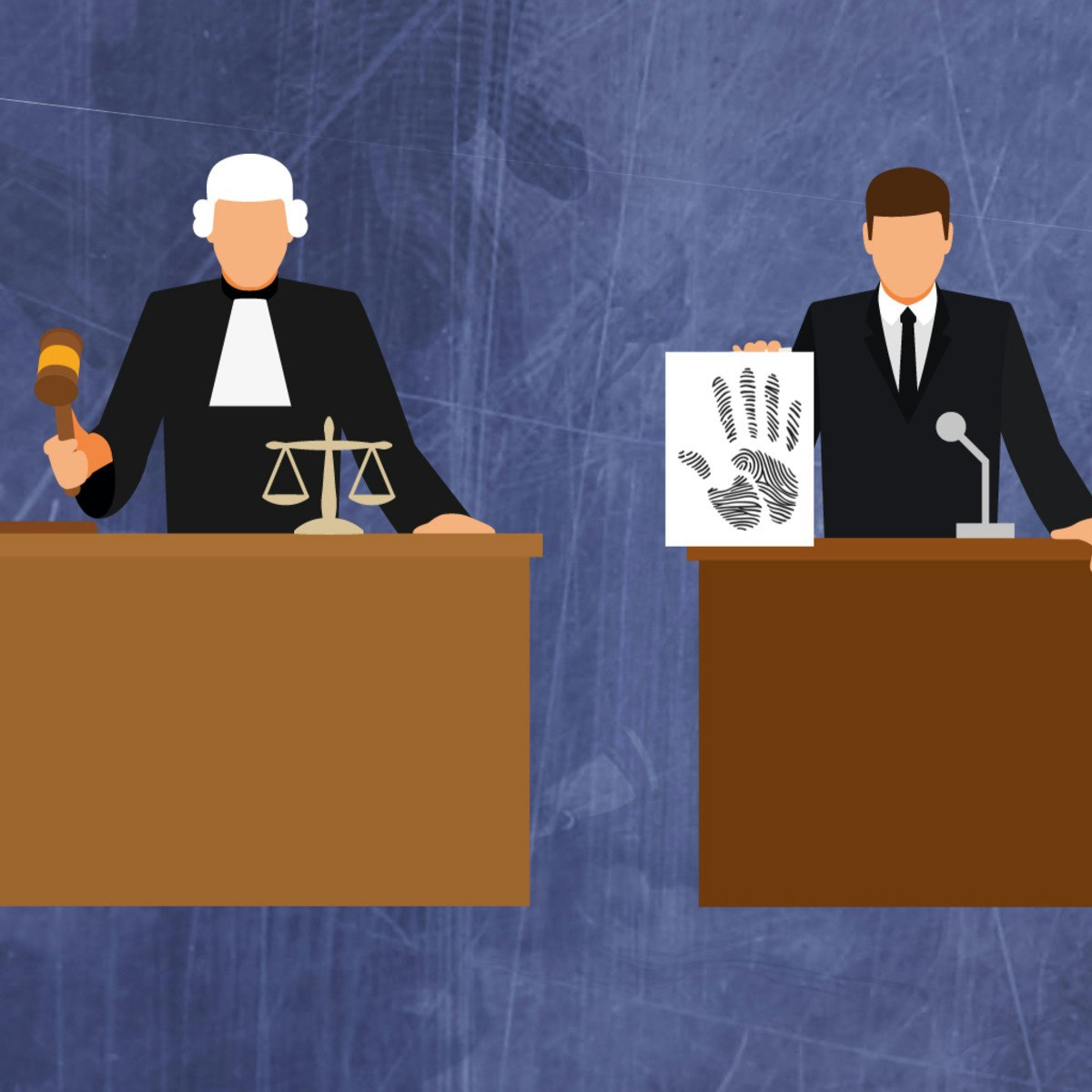
L’objectif de ce cours est d’encourager la réflexion critique en ce qui concerne la « science forensique », également appelée police technique et scientifique ou criminalistique. À l’heure actuelle, de manière générale, la plupart des gens sont fascinés par les possibilités techniques qu’offre la police scientifique. Ils sont bercés par une certaine illusion que les preuves de la science forensique sont infaillibles et fournissent des résultats factuels sûrs à 100 %. Ce cours – dispensé par des spécialistes du domaine – dépasse l’image conventionnelle véhiculée par des séries télévisées comme « Les Experts ». Il alerte (sans alarmer) le public sur les limites des techniques afin de promouvoir une bonne gestion administrative de la science forensique dans le système de justice pénale. Il permet aux participant·e·s de comprendre l’importance du raisonnement probabiliste en sciences forensiques, car l’incertitude fait partie intégrante de celle-ci. Le cours s’articule autour d’une série de causes célèbres qui auraient pu ou ont mené à des erreurs judiciaires. Certaines de ces affaires ont fait partie des études de cas réalisées à l’École des sciences criminelles de l’Université de Lausanne.

Enroll now

Here's a deal for you

Save money when you learn with a deal that may be relevant to this course.
All coupon codes, vouchers, and discounts are applied automatically unless otherwise noted.

What's inside

Syllabus

Semaine 1 - Quel est "l'ADN" d'un bon rapport d'expertise ?
Cette première semaine définira le contexte du cours. Vous allez rencontrer les professeur·e·s ; renseignez-vous sur leurs antécédents, leurs enseignements, leurs recherches et leurs activités liées au traitement des dossiers. L’École des sciences criminelles (Université de Lausanne) sera brièvement présentée sous forme d’une visite virtuelle, suivie des objectifs du cours. La récente directive du Réseau européen des instituts de police scientifique (ENFSI) pour l’établissement de rapports à contenu évaluatif, utilisée tout au long du cours, sera également présentée. La directive de l’ENFSI pour l’établissement des documents de rapport à contenu évaluatif énonce les bons principes de rédaction des rapports forensiques à utiliser devant un tribunal. L’ensemble du cours vise à comparer les pratiques constatées dans des affaires célèbres et les bonnes pratiques encouragées par la directive de l’ENFSI. Par conséquent, nous commencerons par définir certains critères d’établissement de rapport, qui sont essentiels pour apporter des preuves fiables devant le tribunal, et par expliquer les principes de l’interprétation (basée sur le concept de rapport de vraisemblance) qui doivent régir la production de toute preuve forensique. De l’application de ces principes découlera comment on doit présenter les résultats forensiques au tribunal.
Read more

Traffic lights

Read about what's good
what should give you pause
and possible dealbreakers
Examine la science forensique y sus limites, desafiando la percepción común de sus capacidades
Enriquece la comprensión de la argumentación probabilística en ciencias forenses
Presenta casos famosos que han llevado o podrían haber llevado a errores judiciales
Impartido por un equipo de expertos en ciencia forense de la Escuela de Ciencias Criminales de la Universidad de Lausana
Requiere conocimientos previos en ciencia forense o conceptos relacionados
Contiene elementos multimedia como discusiones con expertos que no están disponibles en el texto escrito

Save this course

Create your own learning path. Save this course to your list so you can find it easily later.
Save

Reviews summary

Analyse des avis manquante

Les données d'avis pour ce cours ne sont pas disponibles. Je ne peux donc pas fournir un résumé basé sur les commentaires des apprenants.
Attire professionnels, étudiants et grand public intéressé.
"S'adresse à ceux qui veulent dépasser l'image populaire de la science forensique."
"Probablement pertinent pour les étudiants en droit, criminologie, journalisme, ou science."
"Intéressant pour le grand public curieux des réalités du système judiciaire et de la science."
Le cours explore la science forensique et ses limites.
"Le cours vise à encourager la réflexion critique sur la police technique et scientifique."
"Il aborde les limites des techniques et l'importance du raisonnement probabiliste."
"Le cours utilise des études de cas célèbres impliquant des erreurs judiciaires potentielles."
Impossible d'analyser les avis sans les données fournies.
"Les avis des apprenants sont nécessaires pour générer l'analyse demandée."
"Sans la liste des avis et la répartition des notes, je ne peux pas évaluer le cours."
"Veuillez fournir le JSON contenant les clés 'reviews' et 'distribution'."

Activities

Be better prepared before your course. Deepen your understanding during and after it. Supplement your coursework and achieve mastery of the topics covered in La science forensique au tribunal: témoin digne de foi ? with these activities:
Review basic statistics and probability
Brush up on foundational concepts that are essential for understanding forensic science.
Browse courses on Basic Statistics
Show steps
  • Go over your notes from previous statistics and probability courses
  • Take practice problems to test your understanding
  • Seek help from a tutor or online resources if needed
Show all one activities

Career center

Learners who complete La science forensique au tribunal: témoin digne de foi ? will develop knowledge and skills that may be useful to these careers:
Forensic Scientist
As a Forensic Scientist, you will be tasked with the responsibility of examining, analyzing, and interpreting evidence from crime scenes and other investigations. The course 'La science forensique au tribunal: témoin digne de foi ?' will provide you with the essential knowledge and skills to excel in this role. By studying the course material, you will gain a deep understanding of the various techniques and principles involved in forensic science. Furthermore, you will develop critical thinking and analytical abilities necessary for evaluating and interpreting forensic evidence. The course's focus on the limitations and ethical considerations of forensic science will also equip you with the necessary professional conduct in this field. Overall, this course will provide you with a solid foundation and enhance your credibility as a Forensic Scientist.
Crime Scene Investigator
As a Crime Scene Investigator, you will be responsible for collecting and preserving evidence at crime scenes. The course 'La science forensique au tribunal: témoin digne de foi ?' will provide you with the foundation you need to succeed in this role. The course will introduce you to the principles and practices of crime scene investigation, including evidence collection and preservation techniques. You will also gain an understanding of the role of forensic science in the criminal justice system. This course will provide you with the knowledge and skills necessary to effectively collect and preserve evidence, which is essential for ensuring the integrity of criminal investigations.
Forensic Analyst
As a Forensic Analyst, you will be tasked with analyzing and interpreting forensic evidence in a laboratory setting. This course 'La science forensique au tribunal: témoin digne de foi ?' will equip you with the knowledge and skills needed for this role. The course will cover the principles and practices of forensic analysis, including the use of various scientific techniques and equipment. You will also gain an understanding of the role of forensic analysts in the criminal justice system. By completing this course, you will develop the skills necessary to effectively analyze and interpret forensic evidence, which is essential for providing expert testimony in court.
Forensic Pathologist
As a Forensic Pathologist, you will conduct autopsies and other medical examinations to determine the cause of death in criminal cases. The course 'La science forensique au tribunal: témoin digne de foi ?' will provide you with the essential knowledge and skills needed to excel in this role. The course will cover the principles and practices of forensic pathology, including the examination of wounds and injuries, the interpretation of autopsy results, and the determination of the cause of death. You will also gain an understanding of the role of forensic pathologists in the criminal justice system. By completing this course, you will develop the skills necessary to effectively conduct forensic autopsies and examinations, which is essential for providing expert testimony in court.
Toxicologist
As a Toxicologist, you will be responsible for analyzing and interpreting toxicological evidence in criminal cases. The course 'La science forensique au tribunal: témoin digne de foi ?' can provide you with a strong foundation for this role. The course will introduce you to the principles and practices of toxicology, including the analysis of drugs and poisons, the interpretation of toxicological results, and the determination of the cause of death. You will also gain an understanding of the role of toxicologists in the criminal justice system. By completing this course, you will develop the skills necessary to effectively analyze and interpret toxicological evidence, which is essential for providing expert testimony in court.
Document Examiner
As a Document Examiner, you will be responsible for analyzing and interpreting questioned documents in criminal cases. The course 'La science forensique au tribunal: témoin digne de foi ?' can provide you with a strong foundation for this role. The course will introduce you to the principles and practices of document examination, including the identification of handwriting, the analysis of paper and ink, and the determination of the authenticity of documents. You will also gain an understanding of the role of document examiners in the criminal justice system. By completing this course, you will develop the skills necessary to effectively analyze and interpret questioned documents, which is essential for providing expert testimony in court.
Ballistics Expert
As a Ballistics Expert, you will be responsible for analyzing and interpreting firearms and ammunition evidence in criminal cases. The course 'La science forensique au tribunal: témoin digne de foi ?' provides a strong foundation for this role. The course will introduce you to the principles and practices of firearms and ammunition examination, including the identification of firearms, the analysis of ammunition, and the determination of the distance from which a firearm was fired. You will also gain an understanding of the role of ballistics experts in the criminal justice system. By completing this course, you will develop the skills necessary to effectively analyze and interpret firearms and ammunition evidence, which is essential for providing expert testimony in court.
Fingerprint Analyst
As a Fingerprint Analyst, you will be responsible for examining and interpreting fingerprints in criminal cases. The course 'La science forensique au tribunal: témoin digne de foi ?' can provide you with the foundation you need to succeed in this role. The course will introduce you to the principles and practices of fingerprint analysis, including the identification and classification of fingerprints, the comparison of fingerprints, and the determination of the identity of individuals. You will also gain an understanding of the role of fingerprint analysts in the criminal justice system. By completing this course, you will develop the skills necessary to effectively examine and interpret fingerprints, which is essential for providing expert testimony in court.

Reading list

We've selected ten books that we think will supplement your learning. Use these to develop background knowledge, enrich your coursework, and gain a deeper understanding of the topics covered in La science forensique au tribunal: témoin digne de foi ? .
This textbook provides a comprehensive overview of the principles and practices of forensic science, covering topics such as crime scene investigation, evidence collection, and analysis. It valuable resource for students and professionals in the field.
This textbook provides a comprehensive overview of the field of criminalistics, covering topics such as crime scene investigation, evidence collection, and analysis. It valuable resource for students and professionals in the field.
Provides a comprehensive overview of the principles and practices of forensic science, covering topics such as crime scene investigation, evidence collection, and analysis. It valuable resource for students and professionals in the field.
Provides a concise overview of the field of forensic science, covering topics such as crime scene investigation, evidence collection, and analysis. It valuable resource for students and professionals in the field.
Provides a comprehensive overview of the principles and practices of crime scene investigation, covering topics such as evidence collection, analysis, and interpretation. It valuable resource for students and professionals in the field.
Provides a comprehensive overview of forensic science, covering a wide range of topics from crime scene investigation to forensic analysis. It would be a valuable resource for learners who want to gain a deeper understanding of the field.
Provides a detailed overview of forensic DNA typing, including the biology, technology, and genetics of STR markers. It would be a valuable resource for learners who want to gain a deeper understanding of this specific area of forensic science.
Provides an overview of the field of forensic science, including the history, principles, and methods used in forensic investigations. It would be helpful for learners who want to gain a broad understanding of the field before delving into specific topics covered in the course.

Share

Help others find this course page by sharing it with your friends and followers:

Similar courses

Similar courses are unavailable at this time. Please try again later.
Our mission

OpenCourser helps millions of learners each year. People visit us to learn workspace skills, ace their exams, and nurture their curiosity.

Our extensive catalog contains over 50,000 courses and twice as many books. Browse by search, by topic, or even by career interests. We'll match you to the right resources quickly.

Find this site helpful? Tell a friend about us.

Affiliate disclosure

We're supported by our community of learners. When you purchase or subscribe to courses and programs or purchase books, we may earn a commission from our partners.

Your purchases help us maintain our catalog and keep our servers humming without ads.

Thank you for supporting OpenCourser.

© 2016 - 2025 OpenCourser