
Cloud Computing
 Save
Save
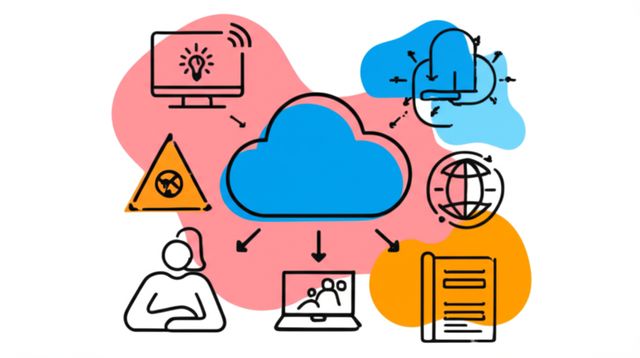
Cloud computing represents a fundamental shift in how we access and utilize computing resources. At its core, cloud computing involves delivering various services—including servers, storage, databases, networking, software, analytics, and intelligence—over the Internet (the "cloud") on a pay-as-you-go basis. This model allows individuals and organizations to access and use these resources from virtually anywhere, without the need to own and maintain physical data centers and servers. The allure of cloud computing lies in its ability to offer faster innovation, flexible resources, and economies of scale.
Working in cloud computing can be an engaging and exciting prospect for several reasons. Firstly, it's a field at the forefront of technological innovation, constantly evolving with new services and capabilities. This dynamism means continuous learning and the opportunity to work with cutting-edge technologies. Secondly, cloud computing professionals play a crucial role in enabling digital transformation for businesses of all sizes, helping them to become more agile, efficient, and competitive. The ability to design and implement solutions that have a tangible impact on an organization's success can be immensely rewarding.


