
Qi
 Save
Save
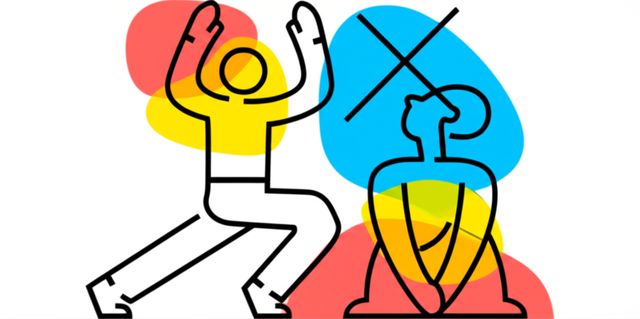
An Introduction to Qi
Qi, often translated as "vital energy" or "life force," is a fundamental concept in traditional Chinese philosophy and medicine. It is believed to be the underlying energy that permeates and sustains all living things, connecting the body, mind, and spirit. While an ancient concept, Qi continues to hold relevance in modern times, particularly in approaches to health, spirituality, and martial arts. Exploring Qi can be a fascinating journey into a different way of understanding ourselves and the world around us.
Working with Qi, whether as a practitioner of Traditional Chinese Medicine (TCM), a martial arts instructor, or a wellness coach, can be deeply engaging. It offers a holistic perspective on well-being and the opportunity to help others cultivate balance and vitality in their lives. The study of Qi can also lead to a profound personal understanding of one's own energy and its connection to the universe.
For those new to the concept, Qi might seem abstract. However, its principles are applied in very tangible ways through practices like acupuncture, Qigong, and Tai Chi, all of which aim to harmonize and strengthen this vital energy.
Introduction to Qi
This section will provide a foundational understanding of Qi, making it accessible for those who are new to this fascinating and ancient concept. We will explore its definition, origins, modern relevance, and some common misunderstandings.


