
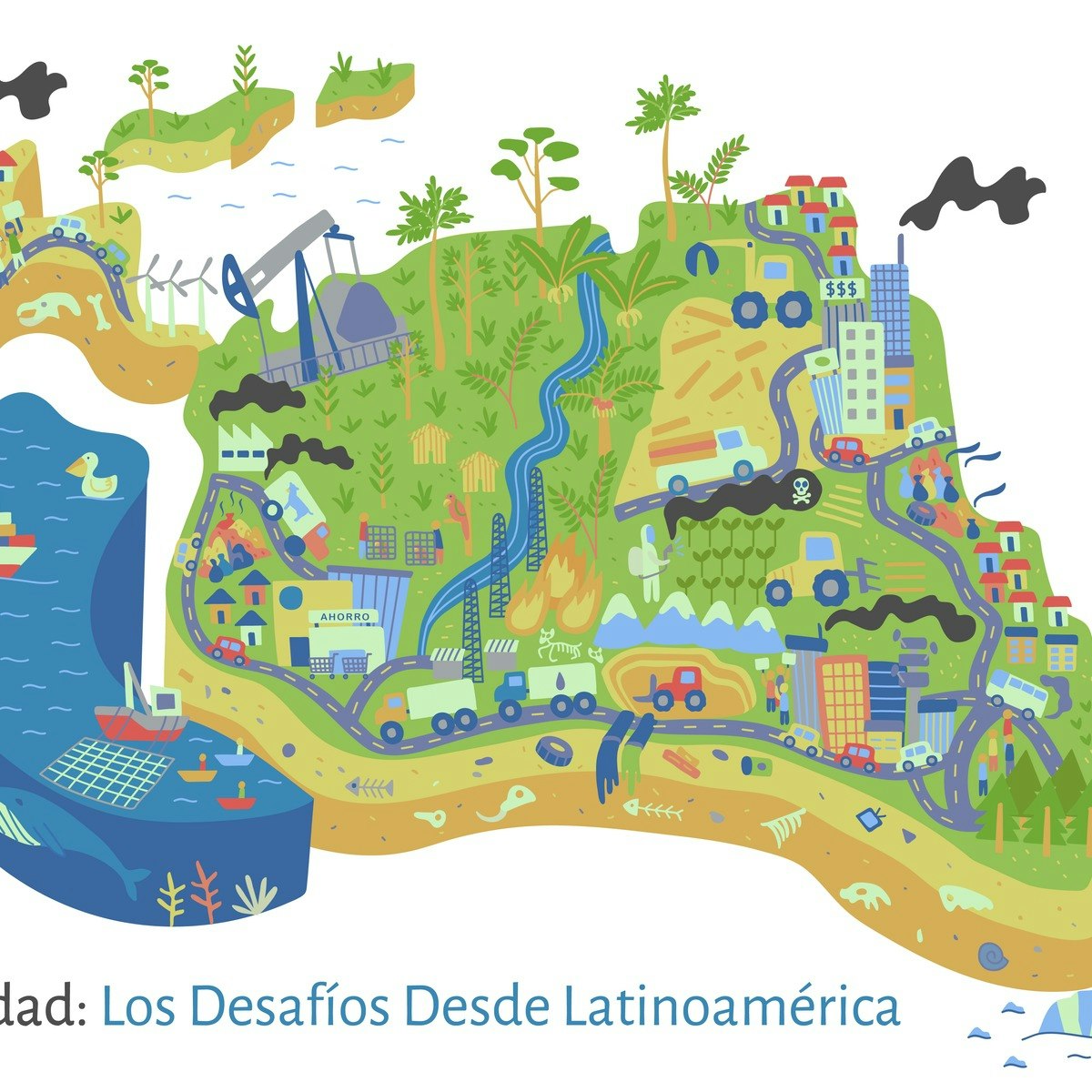


Este curso entrega herramientas base de sustentabilidad para la comprensión de la crisis socioambiental. Los contenidos del curso abarcan la comprensión de nociones como Antropoceno, límites planetarios y crisis socioambiental, dando un panorama global con énfasis en lo latinoamericano. Se expondrá sobre la estructura de desigualdad y explotación en América Latina, los principales impactos y amenazas sobre ecosistemas terrestres y marinos en la región, y las repercusiones que éstas generan en las comunidades humanas. Como respuesta a lo anterior, el estudiante conocerá la dimensión de la sustentabilidad, desde prácticas tradicionales y nuevas concepciones del término. Además de modelos de acción y enfoques emergentes que buscan aportar a la solución de esta crisis socioambiental y emergencia climática.
Here's a deal for you
 Get offer
What's inside
Syllabus
Módulo 1 - Rebasando los límites: crisis socioambiental en Latinoamérica
¡Bienvenidos ! En este curso aprenderás sobre las causas, consecuencias y paradigmas de la crisis socioambiental global en Latinoamérica, y los modelos emergentes que buscan aportar soluciones. Te invitamos a revisar los recursos disponibles y realizar las evaluaciones al final de cada módulo.
Read more
Syllabus
Traffic lights
Save this course
 Save
Save
Reviews summary
Sustentabilidad: visión latinoamericana crítica
 Los módulos están bien organizados y facilitan la comprensión del contenido.
Proporciona una comprensión clara de conceptos fundamentales y desafíos globales.
Ofrece una visión crítica y pertinente de la crisis socioambiental en la región.
Los módulos están bien organizados y facilitan la comprensión del contenido.
Proporciona una comprensión clara de conceptos fundamentales y desafíos globales.
Ofrece una visión crítica y pertinente de la crisis socioambiental en la región.
Activities
Revisit the concept of environmental sustainability.
Show steps
Activating prior knowledge of sustainability is an important first step in understanding the complex issues involved in the course.
Browse courses on
Environmental Sustainability
Show steps
-
Review your notes or textbooks from previous courses related to environmental science or sustainability.
-
Consider your own experiences and observations of environmental issues in your daily life.
Create a mind map of the key concepts in the course.
Show steps
This activity will help you visualize the relationships between the different concepts covered in the course and facilitate understanding.
Show steps
-
Identify the main topics and subtopics of each module.
-
Use different colors, shapes, and symbols to represent the different concepts and their relationships.
-
Add examples, definitions, or explanations to reinforce your understanding.
Join a study group to discuss the course material and prepare for assessments.
Show steps
Discussing course material with peers can reinforce your understanding, identify areas where you need more support, and enhance your critical thinking skills.
Browse courses on
Collaboration
Show steps
-
Find or create a study group with classmates who are interested in collaborating.
-
Meet regularly to review lecture notes, discuss readings, and work on assignments together.
-
Take turns leading discussions and presenting summaries of key concepts.
Two other activities
Expand to see all activities and additional details
Show all five activities
Participate in a local environmental cleanup or conservation project.
Show steps
Practical experience in environmental conservation can deepen your understanding of the challenges and potential solutions discussed in the course.
Browse courses on
Community Involvement
Show steps
-
Identify local organizations that organize environmental cleanups or conservation projects.
-
Contact the organizations and inquire about volunteer opportunities.
-
Attend the cleanup or project and actively participate in the activities.
-
Reflect on your experience and how it relates to the course concepts.
Practice solving case studies on environmental sustainability.
Show steps
Applying your knowledge to real-world scenarios will enhance your critical thinking skills and problem-solving abilities in the field of environmental sustainability.
Browse courses on
Case Studies
Show steps
-
Identify online platforms or textbooks that provide case studies on environmental sustainability.
-
Select a case study relevant to the course content and read it thoroughly.
-
Analyze the case study, identify the key issues, and develop potential solutions.
-
Compare your solutions with others discussed in online forums or academic literature.
Revisit the concept of environmental sustainability.
Show steps
Activating prior knowledge of sustainability is an important first step in understanding the complex issues involved in the course.
Browse courses on
Environmental Sustainability
Show steps
- Review your notes or textbooks from previous courses related to environmental science or sustainability.
- Consider your own experiences and observations of environmental issues in your daily life.
Create a mind map of the key concepts in the course.
Show steps
This activity will help you visualize the relationships between the different concepts covered in the course and facilitate understanding.
Show steps
- Identify the main topics and subtopics of each module.
- Use different colors, shapes, and symbols to represent the different concepts and their relationships.
- Add examples, definitions, or explanations to reinforce your understanding.
Join a study group to discuss the course material and prepare for assessments.
Show steps
Discussing course material with peers can reinforce your understanding, identify areas where you need more support, and enhance your critical thinking skills.
Browse courses on
Collaboration
Show steps
- Find or create a study group with classmates who are interested in collaborating.
- Meet regularly to review lecture notes, discuss readings, and work on assignments together.
- Take turns leading discussions and presenting summaries of key concepts.
Participate in a local environmental cleanup or conservation project.
Show steps
Practical experience in environmental conservation can deepen your understanding of the challenges and potential solutions discussed in the course.
Browse courses on
Community Involvement
Show steps
- Identify local organizations that organize environmental cleanups or conservation projects.
- Contact the organizations and inquire about volunteer opportunities.
- Attend the cleanup or project and actively participate in the activities.
- Reflect on your experience and how it relates to the course concepts.
Practice solving case studies on environmental sustainability.
Show steps
Applying your knowledge to real-world scenarios will enhance your critical thinking skills and problem-solving abilities in the field of environmental sustainability.
Browse courses on
Case Studies
Show steps
- Identify online platforms or textbooks that provide case studies on environmental sustainability.
- Select a case study relevant to the course content and read it thoroughly.
- Analyze the case study, identify the key issues, and develop potential solutions.
- Compare your solutions with others discussed in online forums or academic literature.
Career center
Environmental Scientist
Conservationist
Policy Analyst
Sustainability Manager
Environmental Educator
Environmental Lawyer
Environmental Engineer
Environmental Planner
Geographer
Hydrologist
Meteorologist
Oceanographer
Soil Scientist
Wildlife Biologist
Reading list
Save
Save
Save
Share


Similar courses
OpenCourser helps millions of learners each year. People visit us to learn workspace skills, ace their exams, and nurture their curiosity.
Our extensive catalog contains over 50,000 courses and twice as many books. Browse by search, by topic, or even by career interests. We'll match you to the right resources quickly.
Find this site helpful? Tell a friend about us.
We're supported by our community of learners. When you purchase or subscribe to courses and programs or purchase books, we may earn a commission from our partners.
Your purchases help us maintain our catalog and keep our servers humming without ads.
Thank you for supporting OpenCourser.
