We may earn an affiliate commission when you visit our partners.
Course image
Yao Zhao

By the end of 2019, it is clear that American Airlines (AAL), the world’s largest airline group and a SP500 company, is in trouble. With the growth rate of its stock price ranked at the bottom of all major US airlines and going in the opposite direction from the SP500 index, AAL needs to find out what is going on, and how to turn the company and its stock price around.

Read more

By the end of 2019, it is clear that American Airlines (AAL), the world’s largest airline group and a SP500 company, is in trouble. With the growth rate of its stock price ranked at the bottom of all major US airlines and going in the opposite direction from the SP500 index, AAL needs to find out what is going on, and how to turn the company and its stock price around.

Addressing the challenge faced by AAL may well be a large-scale management consulting project. To start, business intelligence and competitive analysis (or competitive intelligence for short) is required to discover the problems and opportunities for the company which lay the foundation for the turning-around strategies.

In this course, you will gain the knowledge and skills to combine data, analytics models and visualization tools for effective and efficient competitive intelligence. Upon completion of the course, you should be able to conduct competitive intelligence on companies of your choice as a management consultant.

Note: To gain hands-on experiences in competitive intelligence via data analytics, you need to get into action. To this end, this course utilizes an external website (free) for you to practice the skills learned.

Enroll now

What's inside

Syllabus

Welcome!
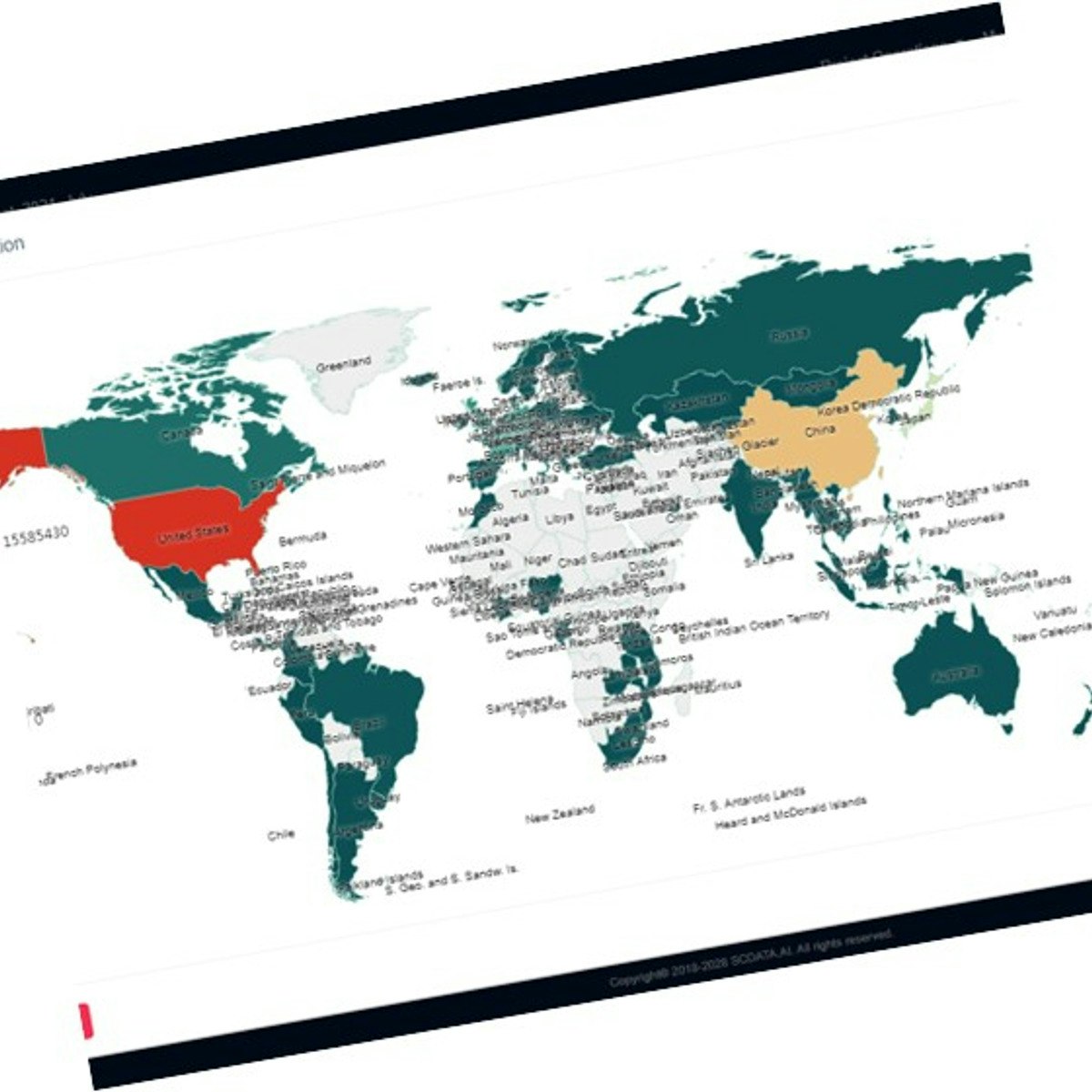
Welcome to Business intelligence and competitive analysis (or competitive intelligence for short)! In Week 1, you will learn the story of American Airlines Group, the challenges it faces, and the framework of competitive analysis. You will get a feel of competitive intelligence through a comparison of the world’s major economies.
Read more

Traffic lights

Read about what's good
what should give you pause
and possible dealbreakers
Relevant to those in management consulting who work in business intelligence
Examines enterprise analysis, which peers into the finer points of a business's strengths and weaknesses
Explores industry analysis, such as process and competition, which is standard in industrial consulting
Develops analytic skills used for effective business intelligence
Teaches learners about positioning companies, which is a key task for company managers
Recommended for students with a working knowledge of competitive intelligence as the course is designed for intermediate students

Save this course

Create your own learning path. Save this course to your list so you can find it easily later.
Save

Reviews summary

Practical competitive intelligence for business

According to learners, this course offers a practical and structured approach to business intelligence and competitive analysis. It provides a solid foundation in understanding market dynamics and company positioning, with a strong emphasis on actionable insights. Students particularly appreciate the hands-on experience gained through the use of external tools, making the concepts highly applicable. The course helps in developing skills for conducting enterprise diagnosis and strategic analysis, making it highly relevant for professionals seeking to enhance their analytical capabilities. It's a well-received introductory course.
Requires engagement with an external, free website for exercises.
"Be prepared to use an external website for the hands-on activities, which is necessary for practice."
"The reliance on a specific free external tool is mentioned and is integral to practicing the concepts."
"I needed to navigate an external site for the practical application of the concepts taught."
Serves as an excellent starting point for business intelligence.
"This course is a great introduction if you're new to competitive intelligence."
"As a beginner, I found the concepts well-explained and accessible, providing a solid base."
"It gave me a comprehensive overview of the field without being overwhelming."
Offers practical opportunities to apply learned concepts using external tools.
"The exercises with the external website were crucial for reinforcing my understanding."
"I enjoyed the hands-on practice, which helped solidify the theoretical concepts."
"Being able to work with real-world scenarios through the provided tools made the learning impactful."
Provides a clear, systematic methodology for competitive intelligence.
"The systematic approach to industry and enterprise analysis made complex topics easy to grasp."
"I really valued the structured frameworks for competitive intelligence, helping me organize my thoughts."
"The course laid out a clear roadmap for conducting effective business intelligence projects."
Equips learners with directly applicable skills for strategic analysis.
"I found the frameworks and tools presented directly applicable to my work in strategic planning."
"The course material provided me with actionable insights I could immediately use for competitive analysis."
"I learned practical methods for dissecting market dynamics and company performance."

Activities

Be better prepared before your course. Deepen your understanding during and after it. Supplement your coursework and achieve mastery of the topics covered in Business Intelligence and Competitive Analysis with these activities:
Identify experienced professionals for mentorship in competitive intelligence
Seek guidance and insights from experienced practitioners in competitive intelligence to enhance your learning and career growth.
Show steps
  • Attend industry events and conferences to network with potential mentors.
  • Reach out to professionals in your field via LinkedIn or other professional networking platforms.
  • Identify individuals who are willing to share their expertise and provide guidance on your career journey.
Explore industry analysis frameworks
Gain a deeper understanding of industry analysis frameworks by exploring additional resources and tutorials.
Browse courses on Porter's Five Forces
Show steps
  • Identify industry analysis frameworks commonly used in the field, such as Porter's Five Forces or SWOT analysis.
  • Review online tutorials or articles that provide a comprehensive overview of the frameworks.
  • Apply the frameworks to analyze specific industries of interest.
Solve competitive intelligence examples
Engage in solving competitive intelligence examples to reinforce the concepts discussed in the course and refine your analytical skills.
Browse courses on Industry Analysis
Show steps
  • Review your lecture notes and readings on competitive intelligence.
  • Access the external website provided in the course.
  • Select a specific industry or company and gather relevant data using the tools provided on the website.
  • Apply the analytical techniques taught in the course to conduct a competitive intelligence analysis.
  • Document your findings in a written report or presentation.
Two other activities
Expand to see all activities and additional details
Show all five activities
Compile a competitive intelligence toolkit
Enhance your practical skills by creating a curated collection of resources and tools specifically tailored to competitive intelligence practices.
Show steps
  • Identify and evaluate different resources and tools available for competitive intelligence gathering and analysis.
  • Create a comprehensive list or database that categorizes and describes each tool and resource.
  • Include information on the purpose, functionality, and any relevant costs associated with each tool.
Volunteer as a mentor for aspiring competitive intelligence professionals
Share your knowledge and experience by mentoring aspiring professionals in the field of competitive intelligence.
Show steps
  • Reach out to organizations or platforms that connect mentors with mentees in the field of competitive intelligence.
  • Prepare to share your knowledge and provide guidance on industry best practices, analytical techniques, and career development.
  • Engage with mentees regularly, providing support and feedback on their projects and career goals.

Career center

Learners who complete Business Intelligence and Competitive Analysis will develop knowledge and skills that may be useful to these careers:
Business Intelligence Analyst
This course in Business Intelligence and Competitive Analysis prepares you to work as a Business Intelligence Analyst. In this role, you will analyze business data to make fact-based recommendations which can support a company's decision-making process. Learning to diagnose business challenges and conduct industry analysis can help a Business Intelligence Analyst better identify trends and opportunities within their field.
Competitive Intelligence Analyst
Competitive Intelligence Analyst is a suitable career path for you. This course will teach you to use data visualization, analytics models, and data to conduct competitive intelligence and come to informed conclusions. Gaining the skills to conduct competitive intelligence can help you identify and understand the competitive landscape within your industry.
Strategy Consultant
This course in Business Intelligence and Competitive Analysis is highly relevant to the field of Strategy Consulting. Both business intelligence and competitive analysis are fundamental to the work of a Strategy Consultant. Through this course, you will build a solid foundation of the foundational theories and principles used in this field.
Management Consultant
This course in Business Intelligence and Competitive Analysis is highly recommended if you are interested in a career as a Management Consultant, especially if your interests lie in business transformation and strategy. You will learn how to use data to identify and solve business problems, which is a fundamental skill for a successful Management Consultant.
Risk Analyst
This course in Business Intelligence and Competitive Analysis will prepare you for a career in Risk Analysis. You will learn how to analyze data to identify and assess risks to finances and business, laying the foundation for success in this field.
Investment Analyst
This course in Business Intelligence and Competitive Analysis will help prepare you for a career as an Investment Analyst. You will learn how to analyze data to make informed investment decisions. This course will provide you with a strong understanding of how to conduct industry analysis and competition positioning to make insightful recommendations to your clients.
Business Analyst
This course in Business Intelligence and Competitive Analysis will prepare you for a career as a Business Analyst. You will learn how to use data to identify and solve business problems. This course will provide you with a solid foundation in data analysis and competitive analysis and help you develop the skills needed to succeed in this field.
Sales Manager
This course in Business Intelligence and Competitive Analysis may be useful if you wish to become a Sales Manager. Knowing how to conduct industry and competition analysis can provide insights into how to best market and sell products. Data analytics can also help identify sales trends to aid decision-making in your role as a Sales Manager.
Financial Analyst
This course in Business Intelligence and Competitive Analysis may be useful for a Financial Analyst. You will learn how to analyze data to make informed decisions to support business objectives. The combination of data, analytics, and visualization tools that you will learn how to use will aid you in your career as a Financial Analyst.
Market Research Analyst
This course in Business Intelligence and Competitive Analysis may help you to become a Market Research Analyst. Business intelligence and competitive analysis are fundamental skills for a Market Research Analyst. This course will teach you how to effectively analyze data to provide insights that can help you better understand the competitive landscape.
Marketing Manager
This course in Business Intelligence and Competitive Analysis may be useful as you progress toward becoming a Marketing Manager. By learning how to conduct industry analysis and competition positioning, you can gain insights into consumer behavior and stay ahead of the competition. Gaining a deeper understanding of how markets work can help you develop marketing campaigns that effectively target potential customers.
Project Manager
This course in Business Intelligence and Competitive Analysis may be somewhat useful to you if you want to work as a Project Manager. You will learn how to analyze data to identify and assess risks, which can help you make better decisions about project planning and execution. You will also learn how to conduct industry analysis and competition positioning, which can help you understand the project's competitive landscape.
Supply Chain Manager
This course in Business Intelligence and Competitive Analysis may be somewhat useful for a Supply Chain Manager. You will learn to analyze data to identify trends and opportunities, which can help you make better decisions about the supply chain. You will also learn how to conduct industry analysis and competition positioning, which can help you understand this competitive landscape within your industry.
Product Manager
This course in Business Intelligence and Competitive Analysis may be of some use to you if you wish to become a Product Manager. Learning how to conduct industry analysis and competition positioning can help you better understand the market your product is in.
Data Scientist
This course in Business Intelligence and Competitive Analysis may be helpful to you if you wish to become a Data Scientist. You will learn to gather and analyze data, which can help you make informed decisions based on data rather than intuition. The combination of data, analytics, and visualization tools that you will learn how to use will aid you in career as a Data Scientist.

Reading list

We've selected 12 books that we think will supplement your learning. Use these to develop background knowledge, enrich your coursework, and gain a deeper understanding of the topics covered in Business Intelligence and Competitive Analysis.
Provides a practical introduction to data visualization. It covers the basics of data visualization, including how to choose the right charts and graphs, and how to present data effectively.
Provides a practical guide to storytelling with data. It shows businesses how to use data to create compelling stories that can persuade and inform audiences.
Provides a practical introduction to data science for business professionals. It covers the basics of data science, including how to collect, clean, and analyze data, and how to use data to make better decisions.
Provides a practical guide to using machine learning for business. It covers the basics of machine learning, including how to choose the right algorithms and how to evaluate the results.
Provides a practical guide to using lean analytics to build a better startup faster. It covers the basics of lean analytics, including how to measure the right metrics and how to use data to make better decisions.
Provides a practical guide to using the techniques of the world's top strategic consultants to help you get the results you want. It covers the basics of strategic consulting, including how to develop a strategy, how to communicate your strategy to others, and how to implement your strategy.
Provides a classic framework for understanding why great firms fail. It shows how new technologies can disrupt markets and how established firms can avoid being disrupted.
Provides a counterintuitive look at strategy. It shows how committing to success can actually lead to failure, and how businesses can avoid this trap.
Provides a simple framework for evaluating strategy. It shows how to distinguish between good strategy and bad strategy, and how to develop a strategy that is likely to be successful.
This ancient Chinese military treatise provides insights into strategy and competition that are still relevant today. It valuable read for anyone who wants to learn more about the art of strategy.
This classic work on political strategy provides insights into the nature of power and how to achieve it. It valuable read for anyone who wants to learn more about the art of strategy.

Share

Help others find this course page by sharing it with your friends and followers:

Similar courses

Similar courses are unavailable at this time. Please try again later.
Our mission

OpenCourser helps millions of learners each year. People visit us to learn workspace skills, ace their exams, and nurture their curiosity.

Our extensive catalog contains over 50,000 courses and twice as many books. Browse by search, by topic, or even by career interests. We'll match you to the right resources quickly.

Find this site helpful? Tell a friend about us.

Affiliate disclosure

We're supported by our community of learners. When you purchase or subscribe to courses and programs or purchase books, we may earn a commission from our partners.

Your purchases help us maintain our catalog and keep our servers humming without ads.

Thank you for supporting OpenCourser.

© 2016 - 2025 OpenCourser