We may earn an affiliate commission when you visit our partners.
Course image
Dmitry Kolotilenko and Dr. Yossi Kugler

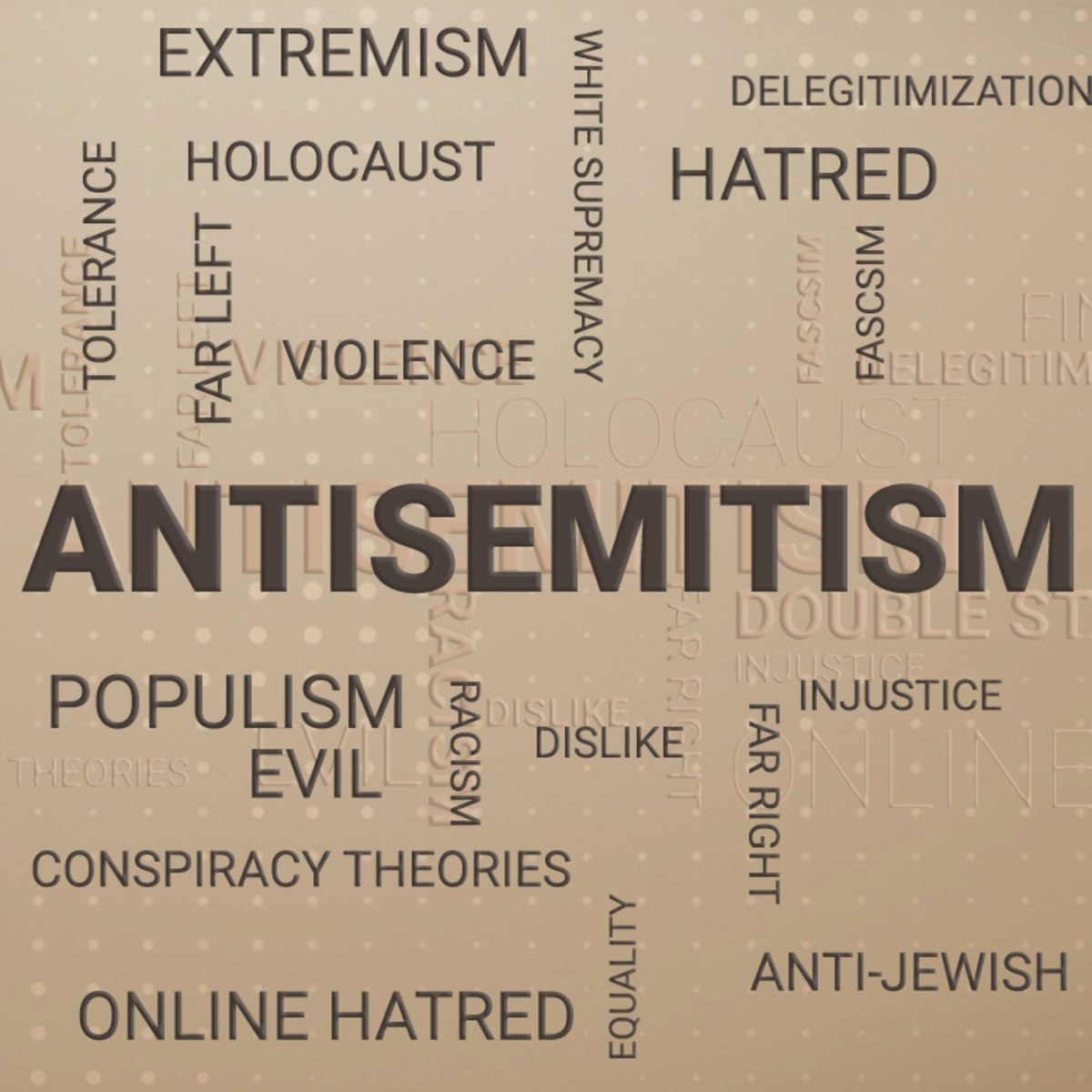
In this course, 50 leading scholars from all over the world will explore questions and issues relating to antisemitism including: what is antisemitism? How has it changed throughout history? Why can it be found among so many diverse cultures, and even among opposing ideologies? What happened to antisemitism after the Holocaust? How is antisemitism expressed today, and what are the main spheres in which it can be found?

Enroll now

What's inside

Syllabus

WHAT IS ANTISEMITISM? DEFINITIONS AND ORIGINS
This week we will begin our exploration of the phenomenon of antisemitism. We will discuss the nature of hate, the unique characteristics of antisemitism as well as the etymology of the term. We will then turn to the historical roots and early development of the phenomenon - from the Greco-Roman period up until the Middle Ages.
Read more

Traffic lights

Read about what's good
what should give you pause
and possible dealbreakers
Taught by a well-known expert in the topic
Same instructors also teach in the Hebrew University of Jerusalem
Covers a broad range of topics in antisemitism
Could be useful antisemitism researchers
Could be useful for individuals interested in Jewish history or culture

Save this course

Create your own learning path. Save this course to your list so you can find it easily later.
Save

Reviews summary

Comprehensive look at antisemitism's history

According to learners, this course offers a deep and comprehensive exploration of antisemitism, tracing its history from ancient origins to contemporary manifestations. Many found the course highly informative and essential viewing for understanding this complex issue. The material is presented by a large panel of expert scholars, providing diverse perspectives and authoritative insights. While the topic is inherently heavy and emotionally challenging, students appreciated the structured approach and the use of historical context and testimony. Some noted the sheer volume of information, suggesting it requires focused engagement, but overall, the course is considered a foundational resource.
Provides a solid basis for understanding.
"This course provides an excellent foundation for anyone wanting to understand the history and complexity of antisemitism."
"It's a great starting point that encourages deeper research into specific areas covered."
"I feel much better equipped to recognize and understand antisemitism after taking this course."
Clear modules, logical progression.
"The course is well-structured, with each week building logically on the previous one, making it easy to follow the historical narrative."
"I appreciated the clear division into modules addressing different periods and manifestations of antisemitism."
"The organization of the syllabus helps to break down this vast topic into manageable segments."
Addresses modern antisemitism thoroughly.
"The sections on contemporary antisemitism, including in the Arab/Islamic world and across the political spectrum, were particularly insightful and relevant."
"It was crucial to see how antisemitism manifests today and how it is being confronted in various arenas."
"Understanding the current landscape of antisemitism feels vital, and this course delivers on that front."
Broad coverage from origins to modern day.
"I found the course to be incredibly comprehensive, covering antisemitism from its earliest roots all the way to the present day."
"The historical overview, spanning from the Greco-Roman period through the Middle Ages and up to the Holocaust, was detailed and thorough."
"It really helps you understand how antisemitism has evolved and manifested across different eras and cultures."
Insightful lectures from leading scholars.
"The course features contributions from some 50 leading scholars, which provides a comprehensive and authoritative perspective on the topic."
"I appreciated hearing from so many different experts. Each brought a unique angle that enriched my understanding."
"The quality of the lectures by the participating professors was exceptionally high, making the complex subject matter accessible."
Content is heavy and deeply impactful.
"This course is emotionally challenging, but incredibly important. Be prepared for difficult topics."
"The material, particularly concerning the Holocaust and contemporary issues, is deeply moving and requires careful consideration."
"While essential, the subject matter is heavy. It's not a light course, but one that demands reflection."

Activities

Be better prepared before your course. Deepen your understanding during and after it. Supplement your coursework and achieve mastery of the topics covered in Antisemitism: From Its Origins to the Present with these activities:
Review Key Definitions and Concepts Related to Antisemitism
Ensure a solid foundation for your learning by reviewing the core definitions and concepts surrounding antisemitism.
Browse courses on Contemporary Antisemitism
Show steps
  • Refer to course materials, textbooks, or online resources to revisit the definitions of antisemitism, its manifestations, and historical context.
  • Clarify any uncertainties or misunderstandings by seeking further information or engaging in discussions.
Review Historical Antisemitism
This activity will allow you to refresh your knowledge of historical antisemitism, giving you a strong foundation for the course. Before the course begins, take some time to read articles and books about the history of antisemitism.
Browse courses on Middle Ages
Show steps
  • Read the course overview and syllabus to get an idea of the topics that will be covered.
  • Research historical antisemitism using reputable sources such as academic journals, books, and documentaries.
  • Take notes on what you learn, focusing on the key concepts and events related to historical antisemitism.
  • Discuss your findings with a classmate or colleague to solidify your understanding.
Explore the History of Antisemitism Using Khan Academy
Reinforce your understanding of the historical roots and development of antisemitism by watching videos and reading articles on Khan Academy.
Show steps
  • Visit the Khan Academy website and navigate to the 'History' section.
  • Search for 'Antisemitism' and explore the available videos and articles.
  • Take notes on the key concepts and developments discussed in the resources.
Seven other activities
Expand to see all activities and additional details
Show all ten activities
Read 'Antisemitism: A History'
Robert S. Wistrich's 'Antisemitism: A History' provides a sweeping overview of the history of antisemitism. Reading this book will give you a deep understanding of the roots of antisemitism and how it has evolved over time.
Show steps
  • Purchase or borrow a copy of 'Antisemitism: A History' by Robert S. Wistrich.
  • Read the book, taking notes on the key points and arguments presented by Wistrich.
  • Summarize the main themes and insights you gained from the book.
Engage in Discussion Groups on Antisemitism
Expand your perspectives and gain insights by participating in discussions with peers on various aspects of antisemitism.
Browse courses on Contemporary Antisemitism
Show steps
  • Join online forums or discussion groups dedicated to the topic of antisemitism.
  • Actively participate in discussions, sharing your thoughts and asking clarifying questions.
  • Engage with diverse viewpoints and consider alternative perspectives.
Create a Timeline of Antisemitic Events
Deepen your understanding of the evolution of antisemitism by creating a visual representation of key events and milestones.
Browse courses on Contemporary Antisemitism
Show steps
  • Gather information about significant antisemitic events from various sources.
  • Choose a timeline format and create a visual representation of the events.
  • Label each event with a brief description and its historical context.
Review 'The Case for Israel' by Alan Dershowitz
Enhance your understanding of contemporary antisemitism and its implications by reading and critically analyzing 'The Case for Israel'.
Show steps
  • Read the book thoroughly, taking notes on key arguments and perspectives.
  • Summarize the main thesis and supporting evidence presented in the book.
  • Evaluate the strengths and weaknesses of the arguments presented.
Contribute to the 'Anti-Defamation League' Database on Antisemitic Incidents
Make a valuable contribution to the fight against antisemitism by reporting and documenting incidents through the 'Anti-Defamation League' database.
Browse courses on Contemporary Antisemitism
Show steps
  • Visit the 'Anti-Defamation League' website and create an account.
  • Familiarize yourself with the reporting guidelines and incident categories.
  • Report antisemitic incidents you witness or become aware of.
Volunteer with an Organization Combatting Antisemitism
Gain firsthand experience and contribute to the fight against antisemitism by volunteering with an organization dedicated to its eradication.
Browse courses on Contemporary Antisemitism
Show steps
  • Identify organizations in your community or online that focus on combating antisemitism.
  • Contact the organization and inquire about volunteer opportunities.
  • Dedicate time to support their programs and initiatives.
Compile a Resource List on Antisemitism for Your Community
Empower your community by gathering and sharing resources that provide information, support, and tools for combating antisemitism.
Browse courses on Contemporary Antisemitism
Show steps
  • Identify and collect resources such as websites, articles, books, organizations, and support groups.
  • Organize and categorize the resources based on their content and purpose.
  • Create a shareable document or online platform to disseminate the resource list.

Career center

Learners who complete Antisemitism: From Its Origins to the Present will develop knowledge and skills that may be useful to these careers:
Sociologist
Sociologists study human society and social behavior. They use a variety of methods to collect and analyze data about social institutions, social relationships, and social change. The Antisemitism: From Its Origins to the Present course provides a comprehensive overview of the history and development of antisemitism. This knowledge is essential for Sociologists who want to specialize in the study of antisemitism or who want to incorporate the history of antisemitism into their research and writing.
Political Scientist
Political Scientists study politics and government. They use a variety of methods to collect and analyze data about political institutions, political behavior, and political change. The Antisemitism: From Its Origins to the Present course provides a comprehensive overview of the history and development of antisemitism. This knowledge is essential for Political Scientists who want to specialize in the study of antisemitism or who want to incorporate the history of antisemitism into their research and writing.
Historian
Historians research, analyze, interpret, and write about the past. They use a variety of sources to learn about the past, including written documents, artifacts, and oral histories. The Antisemitism: From Its Origins to the Present course provides a comprehensive overview of the history and development of antisemitism. This knowledge is essential for Historians who want to specialize in the history of antisemitism or who want to incorporate the history of antisemitism into their research and writing.
Teacher
Teachers instruct students in a variety of academic subjects. They develop lesson plans, deliver instruction, and assess student learning. The Antisemitism: From Its Origins to the Present course provides a comprehensive overview of the history and development of antisemitism. This knowledge is essential for Teachers who want to teach about the Holocaust or who want to incorporate the history of antisemitism into their lessons.
Journalist
Journalists gather, analyze, and report on news and current events. They may work for newspapers, magazines, websites, or television and radio stations. The Antisemitism: From Its Origins to the Present course provides a comprehensive overview of the history and development of antisemitism. This knowledge is essential for Journalists who want to specialize in reporting on antisemitism or who want to incorporate the history of antisemitism into their reporting.
Nonprofit Program Manager
Nonprofit Program Managers plan, implement, and evaluate programs that serve a social or environmental mission. They may work for a variety of organizations, such as charities, foundations, and advocacy groups. The Antisemitism: From Its Origins to the Present course provides a comprehensive overview of the history and development of antisemitism. This knowledge is essential for Nonprofit Program Managers who want to develop and implement programs that address the issue of antisemitism.
Government Policy Analyst
Government Policy Analysts research, analyze, and make recommendations on public policy issues. They may work for a variety of government agencies, such as the Congress, the White House, and the Department of State. The Antisemitism: From Its Origins to the Present course provides a comprehensive overview of the history and development of antisemitism. This knowledge is essential for Government Policy Analysts who want to develop and implement policies that address the issue of antisemitism.
Human Rights Officer
Human Rights Officers investigate and document human rights violations. They also advocate for the protection and promotion of human rights. The Antisemitism: From Its Origins to the Present course provides a comprehensive overview of the history and development of antisemitism. This knowledge is essential for Human Rights Officers who want to specialize in the area of antisemitism or who want to incorporate the history of antisemitism into their work.
Museum curator
Museum Curators oversee the collections of museums. They also develop and implement exhibitions and educational programs. The Antisemitism: From Its Origins to the Present course provides a comprehensive overview of the history and development of antisemitism. This knowledge is essential for Museum Curators who want to specialize in the area of Jewish history or who want to incorporate the history of antisemitism into their exhibitions and programs.
Archivist
Archivists preserve and manage historical documents and artifacts. They also provide access to these materials for researchers and the public. The Antisemitism: From Its Origins to the Present course provides a comprehensive overview of the history and development of antisemitism. This knowledge is essential for Archivists who want to specialize in the area of Jewish history or who want to incorporate the history of antisemitism into their work.
Librarian
Librarians help people find and use information. They may work in a variety of settings, such as public libraries, school libraries, and university libraries. The Antisemitism: From Its Origins to the Present course provides a comprehensive overview of the history and development of antisemitism. This knowledge is essential for Librarians who want to specialize in the area of Jewish studies or who want to incorporate the history of antisemitism into their work.
Religious Studies Professor
Religious Studies Professors teach and research about religion. They may work at a variety of institutions, such as universities, colleges, and seminaries. The Antisemitism: From Its Origins to the Present course provides a comprehensive overview of the history and development of antisemitism. This knowledge is essential for Religious Studies Professors who want to specialize in the area of Judaism or who want to incorporate the history of antisemitism into their teaching and research.
Economist
Economists study the production, distribution, and consumption of goods and services. They use a variety of methods to collect and analyze data about economic activity. The Antisemitism: From Its Origins to the Present course provides a comprehensive overview of the history and development of antisemitism. This knowledge is essential for Economists who want to specialize in the study of the economic impact of antisemitism or who want to incorporate the history of antisemitism into their research and writing.
Lawyer
Lawyers advise and represent clients in legal matters. They also draft legal documents, such as contracts and wills. The Antisemitism: From Its Origins to the Present course provides a comprehensive overview of the history and development of antisemitism. This knowledge is essential for Lawyers who want to specialize in the area of civil rights law or who want to represent clients who have been victims of antisemitism.
Museum Education Director
Museum Education Directors lead the educational initiatives of museums. They develop and implement educational programs and activities for visitors of all ages. They also oversee the museum's collection of educational resources and materials. The Antisemitism: From Its Origins to the Present course may be useful to Museum Education Directors because it provides a comprehensive overview of the history and development of antisemitism. This knowledge can help Museum Education Directors develop educational programs and activities that address the issue of antisemitism and promote tolerance and understanding.

Reading list

We've selected nine books that we think will supplement your learning. Use these to develop background knowledge, enrich your coursework, and gain a deeper understanding of the topics covered in Antisemitism: From Its Origins to the Present.
Provides a detailed and comprehensive history of the Holocaust, from its origins in antisemitism and racism to its implementation and aftermath. It valuable resource for students who want to learn more about the Holocaust and its impact on Jewish people and the world.
Provides a comprehensive overview of the history of antisemitism, from its origins in ancient Greece to its modern manifestations. It valuable resource for students who want to learn more about the history and causes of antisemitism.
Provides a collection of primary source documents on the history of Jews in the modern world. It valuable resource for students who want to learn more about the experiences of Jews in the modern world.
Provides a comprehensive overview of the Holocaust, including historical essays, primary source documents, and maps. It valuable resource for students who want to learn more about the Holocaust and its impact on Jewish people and the world.
Provides a timely examination of the current state of antisemitism in the world. It valuable resource for students who want to learn more about the manifestations of antisemitism in the modern world.
Provides a comprehensive overview of the history of antisemitism, from its origins in ancient Greece to its modern manifestations. It valuable resource for students who want to learn more about the history and causes of antisemitism.
Provides a detailed overview of the history of the Black Death. It valuable resource for students who want to learn more about the impact of the Black Death on Jewish communities.
Provides a detailed overview of the history of the expulsion of the Jews from England in 1290. It valuable resource for students who want to learn more about the history of antisemitism in England.
Provides a detailed overview of the history of the Dreyfus Affair. It valuable resource for students who want to learn more about the history of antisemitism in France.

Share

Help others find this course page by sharing it with your friends and followers:

Similar courses

Similar courses are unavailable at this time. Please try again later.
Our mission

OpenCourser helps millions of learners each year. People visit us to learn workspace skills, ace their exams, and nurture their curiosity.

Our extensive catalog contains over 50,000 courses and twice as many books. Browse by search, by topic, or even by career interests. We'll match you to the right resources quickly.

Find this site helpful? Tell a friend about us.

Affiliate disclosure

We're supported by our community of learners. When you purchase or subscribe to courses and programs or purchase books, we may earn a commission from our partners.

Your purchases help us maintain our catalog and keep our servers humming without ads.

Thank you for supporting OpenCourser.

© 2016 - 2025 OpenCourser