
Ancient Rome
 Save
Save
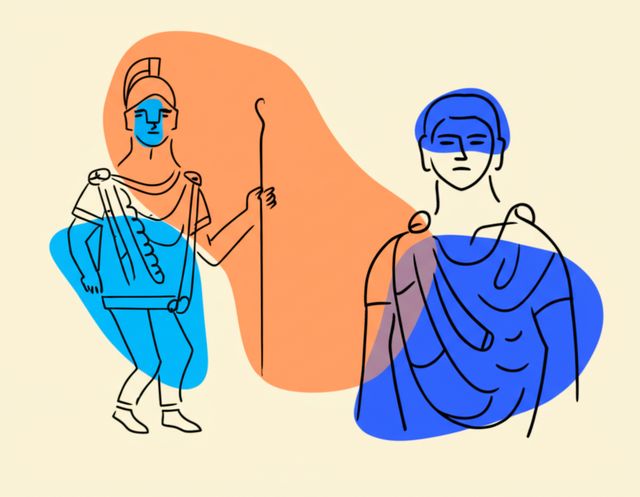
Ancient Rome refers to the civilization that emerged from the city-state of Rome, traditionally founded in 753 BC, and spanned a vast period, concluding with the fall of the Western Roman Empire in AD 476. Geographically, it grew from a small settlement on the Tiber River in central Italy to encompass the entire Mediterranean basin, much of Western Europe, North Africa, and parts of the Middle East. Its enduring influence is profound, shaping Western civilization's languages, laws, political systems, architecture, and culture in ways that continue to resonate today. The study of Ancient Rome offers a captivating look into a complex society that rose from humble beginnings to become one of history's most powerful and influential empires.
Exploring Ancient Rome can be particularly engaging for several reasons. Imagine walking through the ruins of the Roman Forum, the heart of Roman public life, or picturing the roar of the crowd in the Colosseum. Consider the intricate legal codes they developed, forming the bedrock of many modern legal systems, or the engineering marvels of their aqueducts and roads, some of which still stand today. The sheer scale of their achievements and the dramatic sweep of their history, filled with iconic figures and pivotal moments, offer endless fascination for learners of all ages and backgrounds. Understanding this civilization provides not just historical knowledge, but also a deeper appreciation for the foundations of the world we live in.
Key Historical Periods and Events
The long history of Ancient Rome is typically divided into three main periods: the Roman Kingdom, the Roman Republic, and the Roman Empire. Each era possesses distinct characteristics and witnessed transformative events that shaped Rome's destiny. Understanding this chronological framework is essential for grasping the evolution of Roman power, its societal structures, and its cultural achievements.


