May 1, 2024
Updated June 28, 2025
15 minute read
An Introduction to Digestion: From Biology to Career Paths
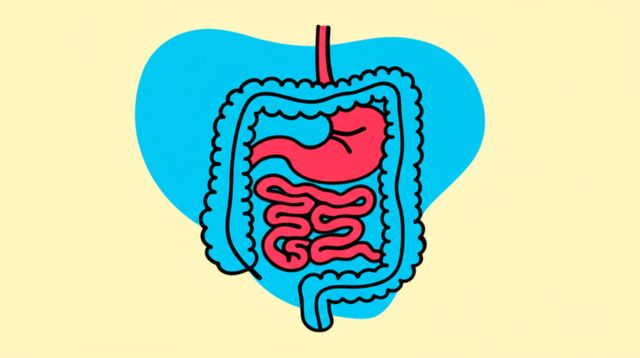
Digestion is the intricate process by which your body breaks down food into the nutrients it needs to function. It's a fundamental biological journey that transforms a meal into energy, growth, and cellular repair. This complex series of events, involving a host of organs, enzymes, and hormones working in harmony, is not only essential for survival but also serves as a fascinating window into human biology. Understanding digestion is central to the fields of nutrition, medicine, and public health, forming the bedrock of our knowledge about how what we eat shapes our well-being.
Exploring the world of digestion can be a deeply engaging endeavor. For the scientifically curious, it offers a chance to unravel the elegant chemical and mechanical processes that sustain life. For those drawn to helping others, it provides a pathway to careers that directly impact people's health and quality of life, from clinical practice to groundbreaking research. The field is also at the heart of innovation, with emerging technologies constantly changing our understanding of the gut and its profound connection to overall health, opening up exciting new avenues for discovery and application.
What is Digestion?
y9zt9o|
Find a path to becoming a Digestion. Learn more at:
OpenCourser.com/topic/y9zt9o/digestio
Reading list
We've selected 37 books
that we think will supplement your
learning. Use these to
develop background knowledge, enrich your coursework, and gain a
deeper understanding of the topics covered in
Digestion.
Another highly respected and comprehensive medical physiology textbook. Berne & Levy offers a rigorous approach to understanding the body's dynamic processes, including digestion. It provides a strong scientific foundation and is suitable for advanced undergraduates and graduate students in life sciences and healthcare fields. The book includes clinical case examples that highlight practical applications.
This highly acclaimed book provides a broad and fascinating exploration of the microbial world within and around us, with a significant portion dedicated to the gut microbiome. It highlights the crucial role of microbes in health and disease, offering a compelling narrative that is accessible to a wide audience while providing substantial scientific information relevant to digestion and the microbiome.
A concise yet comprehensive review of medical physiology, Ganong's popular resource for students preparing for exams and professionals seeking to refresh their knowledge. It covers essential physiological concepts related to digestion in a clear and engaging style. While not as in-depth as Guyton or Berne & Levy, it is an excellent resource for solidifying understanding and reviewing key information.
Written by a leading researcher in the field, this book challenges conventional thinking about diet and explores the crucial role of the gut microbiome. It provides a science-based perspective on nutrition and its impact on digestion and overall health. is valuable for gaining a deeper understanding of contemporary nutrition topics and the microbiome.
Written by a leading gastroenterologist and neuroscientist, this book delves into the bidirectional communication between the brain and the gut, including the role of the gut microbiome. It translates complex scientific concepts into an accessible narrative, making it suitable for a broad audience interested in the impact of gut health on overall well-being, mood, and even decision-making.
Explores the fascinating concept of the enteric nervous system, the 'second brain' in our gut. It provides a compelling look at the intricate connection between the brain and the digestive system, offering insights into how this relationship impacts our physical and emotional well-being. While not a textbook, it's a highly influential and accessible book for anyone interested in the gut-brain axis.
Explores the cutting-edge research on how our gut microbes influence our food cravings and dietary choices. It delves into the complex relationship between the microbiome, diet, and behavior, offering a contemporary perspective on digestion and its far-reaching effects. Suitable for those interested in the latest findings in microbiome research.
Written by a husband-and-wife team of researchers, this book explores the fascinating world of the gut microbiota and its profound impact on our health. It discusses how modern lifestyle factors are affecting our microbial communities and offers strategies for cultivating a healthier gut. is valuable for understanding the contemporary relevance of the microbiome to digestion and health.
Focusing on the role of fiber and plant-based diets in optimizing gut health, this book provides practical advice grounded in scientific research. It's highly relevant to the nutrition aspects of digestion and the gut microbiome, aligning with themes in some of the related online courses. Suitable for a broad audience interested in improving their digestive health through diet.
A highly engaging and accessible book that provides a fun and informative journey through the digestive system. Written by a young scientist, it explains complex processes in a relatable way, making it an excellent starting point for anyone looking to gain a basic understanding of digestion and the gut's importance. It's a great book for high school students and general readers.
Examines the role of inflammation, often linked to gut health, in the development of various diseases. It explores the connection between diet, the gut microbiome, and chronic inflammation, offering insights into how optimizing gut health can contribute to overall well-being and disease prevention.
Authored by a gastroenterologist, this book champions the importance of dietary fiber for gut health and overall well-being. It provides evidence-based information and practical guidance on incorporating more plant-based foods into your diet to nourish your gut microbiome. is relevant for those interested in the dietary aspects of digestion and gut health.
Explores the science of appetite and metabolism, directly relevant to the course on metabolism. It offers insights into why diets often fail and how our bodies regulate weight, touching upon the complex interplay of hormones and the digestive system. Suitable for those interested in the physiological and metabolic aspects of digestion and weight management.
Offers a practical guide to improving gut health through a personalized approach. It covers various digestive issues and provides actionable strategies based on clinical experience and research. It is suitable for individuals seeking to address digestive problems and those interested in a functional medicine perspective.
Focuses on the crucial role of the gut microbiome in health and weight management. It offers a practical plan for improving gut health through diet and lifestyle modifications. While it has a focus on weight loss, the underlying principles about nurturing a healthy gut microbiome are relevant to a broader understanding of digestion and overall health.
Written by a registered dietitian and gut health expert, this guide provides evidence-based information and practical tips for optimizing gut health. It covers topics such as the gut microbiome, probiotics, prebiotics, and dietary strategies in an accessible way. It valuable resource for individuals looking for practical guidance on improving their digestion and gut health.
This guide offers a holistic approach to digestive health, covering topics such as the gut microbiome, probiotics, prebiotics, and dietary recommendations. It aims to empower readers to improve their digestive well-being and strengthen their immune system through evidence-based strategies. It is suitable for a general audience interested in actionable steps for better gut health.
A cornerstone textbook in pathology, Robbins includes detailed sections on the diseases affecting the gastrointestinal tract. is vital for understanding the pathological basis of digestive disorders, providing depth for advanced students and professionals in medical and health sciences.
This book, in Spanish, discusses metabolism beyond simple calorie counting, aligning with the theme of one of the provided course titles. While not solely focused on digestion, it provides a relevant perspective on how the body processes food and energy, which is intimately linked with digestive function. It is suitable for Spanish-speaking audiences interested in metabolism and its connection to diet.
Another book by Dr. Robynne Chutkan, this one focuses on the gut's role in immune function and defending against pathogens. It explores the connection between gut health and viral infections, offering strategies to strengthen gut immunity. is relevant to understanding the broader implications of gut health beyond just digestion.
Explores the concept of 'digestive intelligence,' focusing on mindful eating and understanding individual digestive needs. It combines scientific information with practical advice on optimizing digestion through awareness and personalized dietary choices. It offers a different perspective on digestion, emphasizing the connection between mind and gut in a practical way.
Written by a gastroenterologist, this book offers a practical plan for improving gut health and addressing common digestive issues like bloating. It provides actionable advice and focuses on lifestyle and dietary changes to promote a healthier gut. is geared towards a general audience seeking practical solutions for digestive discomfort.
Explores digestion from the perspective of Ayurveda, an ancient Indian system of medicine. Given the presence of Ayurveda-related courses, this book provides a valuable complementary view on digestive health, focusing on holistic principles and practices. It's suitable for those interested in alternative and complementary approaches to digestion.
For more information about how these books relate to this course, visit:
OpenCourser.com/topic/y9zt9o/digestio

 Save
Save


