April 13, 2024
Updated June 9, 2025
22 minute read
A Comprehensive Guide to Becoming a Telehealth Nurse
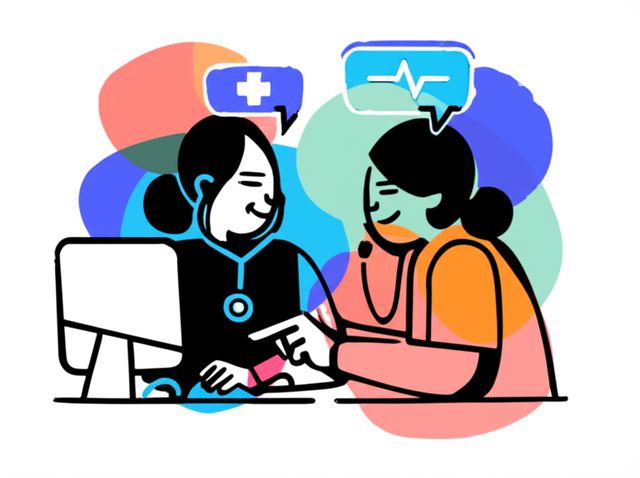
Telehealth nursing represents a significant shift in how healthcare is delivered, leveraging technology to connect nurses with patients remotely. At its core, telehealth nursing involves registered nurses (RNs) using telecommunications and information technology to provide nursing care and manage patient health from a distance. This can encompass a wide array of services, from virtual consultations and remote patient monitoring to patient education and triage. For individuals exploring diverse career paths within the healthcare sector, understanding the nuances of telehealth nursing is increasingly important. This field blends clinical expertise with technological proficiency, offering a dynamic and evolving professional landscape.
Working as a telehealth nurse offers several engaging aspects that may appeal to prospective professionals. One key attraction is the ability to expand healthcare access to underserved populations, including those in rural areas or with mobility limitations, by overcoming geographical barriers. Another exciting element is the role telehealth nurses play at the forefront of healthcare innovation, utilizing cutting-edge technologies to monitor patients and deliver care. Furthermore, the field often provides a degree of flexibility that can be appealing, with some roles offering the ability to work from various locations, including home, which can contribute to a better work-life balance.
Introduction to Telehealth Nursing
This section will lay the groundwork for understanding what telehealth nursing entails, how it has developed, and its fundamental aims. We will explore its definition, historical context, and how it stands apart from traditional nursing roles, primarily focusing on its objectives like enhancing healthcare accessibility and enabling remote patient oversight.
What Exactly is Telehealth Nursing?
pwdyb9|
Find a path to becoming a Telehealth Nurse. Learn more at:
OpenCourser.com/career/pwdyb9/telehealth
Reading list
We haven't picked any books for this reading list yet.
Provides a broad overview of telehealth, covering various clinical applications and essential foundational information. It valuable reference for a wide range of learners and professionals, including those new to telemedicine. It offers up-to-date information on current topics and can serve as a key reference book.
This comprehensive book covers the principles, strategies, and applications of telemedicine and telehealth. It includes contributions from numerous international experts and delves into building sustainable programs and clinical applications across various specialties. Published recently, it reflects current trends and the impact of events like the COVID-19 pandemic.
Provides clinical guidelines for physicians managing patients virtually, offering evidence-based summaries for common conditions. It valuable reference for medical professionals and advanced students focused on the practical application of telehealth in clinical settings.
Explores the legal and ethical issues arising from the use of digital health technologies, including telehealth. It examines topics such as informed consent, privacy, and the changing doctor-patient relationship in the digital age, crucial for graduate students and professionals.
This toolkit from WHO and ITU provides practical guidance for implementing accessible telehealth services, focusing on addressing challenges faced by persons with disabilities and marginalized populations. It's a valuable resource for policymakers, health service providers, and civil society groups involved in implementation.
Focused on the nursing perspective, this book provides practical guidance on using telehealth for patient care. It covers communication techniques, assessment, and managing chronic conditions via telehealth. It's a valuable resource for nursing students and professionals, offering specific insights into the role of nursing in telehealth.
This comprehensive guide provides a broad overview of telehealth, covering its history, technologies, applications, and future directions. It is suitable for healthcare professionals, students, and policymakers seeking a foundational understanding of the field.
Explores the broader impact of digital technology, including telehealth, on the future of healthcare. It provides a forward-looking perspective on how digital innovations are transforming care delivery, making it relevant for all audience levels interested in contemporary trends and the future of the field.
Delves into the principles, policies, performance, and potential pitfalls of telemedicine and telehealth. It offers insights into implementing and managing programs effectively, making it relevant for professionals and graduate students involved in program development and evaluation.
Practical guide for healthcare professionals looking to implement and manage telehealth programs. It covers program development, ethical, legal, and regulatory issues, and technical options. While not the most recent publication, it provides foundational knowledge and remains a useful reference for understanding the practicalities of starting telehealth services.
Offering a sociological perspective, this book critically examines the promises and implications of digital health, including telehealth. It delves into the societal impact, ethical considerations, and the influence of technology companies, providing a valuable critical lens for advanced undergraduates and graduate students.
Provides a detailed history of telemedicine, tracing its evolution and transformation. It offers essential context for understanding the development of telehealth and valuable resource for anyone interested in the origins and historical trajectory of the field.
This concise guide provides essential information on health informatics for nurses, including coverage of telehealth, electronic health records, and data security. It's a practical resource for nursing students and professionals seeking to understand the role of informatics in their practice.
Focuses on the practical aspects of implementing telemedicine projects, emphasizing project management, timelines, and budgeting. It useful resource for professionals and graduate students interested in the operational challenges and strategies for successful telehealth deployment.
This foundational text from 1996 provides a framework for evaluating clinical telemedicine, focusing on its effects on quality, accessibility, cost, and acceptability. While older, it classic in the field and offers valuable historical context and evaluation principles for researchers and policymakers.
For more information about how these books relate to this course, visit:
OpenCourser.com/career/pwdyb9/telehealth

 Save
Save


