
Disease Prevention
 Save
Save
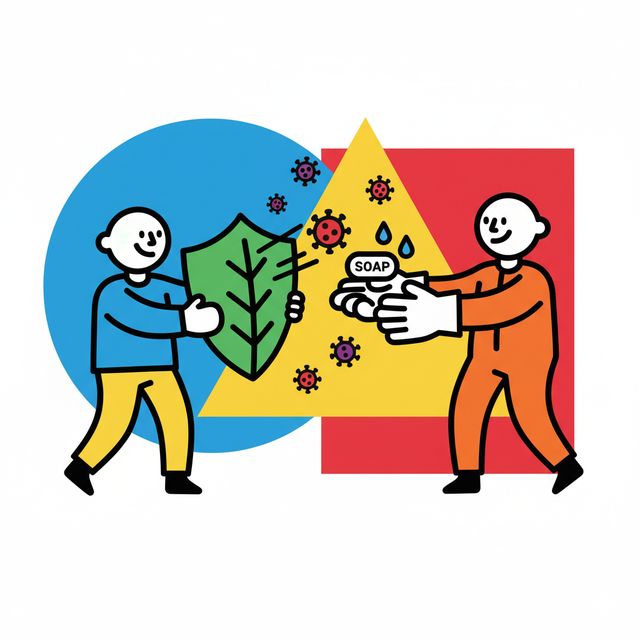
Disease prevention is a cornerstone of public health, encompassing a wide array of strategies and actions aimed at averting the occurrence of illness and injury. At its core, it's about promoting health and well-being, and reducing the likelihood and impact of diseases. This field is not just about avoiding sickness; it's about creating conditions where individuals and communities can thrive. It involves understanding how diseases spread, identifying risk factors, and implementing measures to protect populations. The exciting aspects of working in disease prevention often involve the detective work of epidemiology – tracing patterns of illness – and the creativity of designing interventions that can range from health education campaigns to policy changes that make healthy choices easier for everyone. It's a field with a direct and tangible impact on people's lives, contributing to longer, healthier futures.
For those new to the concept, imagine disease prevention as building a strong fence at the top of a cliff rather than just having an ambulance at the bottom. It’s about proactive measures to stop problems before they start. This could be as simple as encouraging handwashing to prevent the spread of colds and flu, or as complex as developing global strategies to combat pandemics. The field is dynamic, constantly evolving with new scientific understanding and societal changes. Professionals in disease prevention might find themselves working on anything from local community health initiatives to international efforts to eradicate diseases, making it a truly engaging and impactful area of work.
Introduction to Disease Prevention
This section will lay the groundwork for understanding what disease prevention entails, its historical roots, key concepts, and its profound importance for both individual and collective health.


