May 13, 2024
Updated July 19, 2025
15 minute read
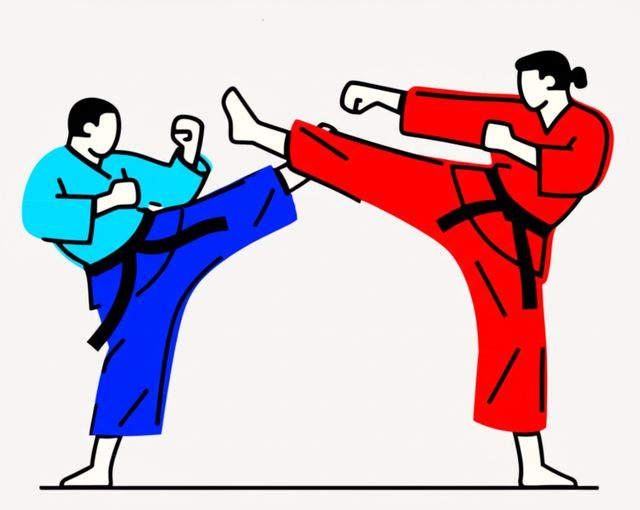
Martial arts are a diverse range of combat sports and practices that use physical techniques for self-defense, competition, and physical and mental development. Originating in Asia, these disciplines have spread across the world and evolved into a variety of styles and traditions. Whether you’re looking to get in shape, learn self-defense, or explore a new culture, martial arts offer a wide range of benefits and possibilities.
Understanding Martial Arts
Martial arts encompass a vast array of techniques, including unarmed combat, weapons training, and grappling. Each style has its own unique history, philosophy, and set of techniques, but they all share a common focus on developing physical and mental strength, discipline, and self-awareness.
Some of the most popular martial arts include:
-
Karate: A Japanese martial art known for its powerful strikes and kicks.
-
Taekwondo: A Korean martial art that emphasizes speed, power, and flexibility.
-
Kung Fu: A Chinese martial art with a wide range of styles, from the fluid and graceful Wushu to the powerful and aggressive Shaolin.
-
Brazilian Jiu-Jitsu: A grappling-based martial art that focuses on ground fighting and submission holds.
-
Muay Thai: A Thai martial art known for its use of elbows, knees, and shins.
Why Learn Martial Arts?
There are many reasons to learn martial arts, including:
masjk3|
Find a path to becoming a Martial Arts. Learn more at:
OpenCourser.com/topic/masjk3/martial
Reading list
We've selected 34 books
that we think will supplement your
learning. Use these to
develop background knowledge, enrich your coursework, and gain a
deeper understanding of the topics covered in
Martial Arts.
Compiled from Bruce Lee's notes, this book outlines his philosophy and approach to martial arts, emphasizing adaptability and practicality. It challenges traditional forms and encourages a personal approach to combat. This must-read for those interested in the evolution of martial arts and the development of a highly effective personal style.
Written by the legendary samurai Miyamoto Musashi, this classic text offers profound insights into the strategy, tactics, and philosophy of martial arts.
Critically examines the differences between traditional martial arts training and the realities of real-world violence. It is essential reading for anyone interested in self-defense and understanding the psychological and physical dynamics of actual violent encounters.
Written by a legendary swordsman, this book delves into the philosophy and strategy of Japanese martial arts. It discusses principles of timing, rhythm, and the mindset of a warrior, offering deep insights applicable to various martial disciplines. This classic text highly recommended for those seeking to deepen their understanding beyond physical techniques.
While not strictly a martial arts book, this work by a military psychologist examines the psychological impact of violence. It offers valuable insights into the realities of combat and self-defense situations, relevant for those interested in the practical application of martial arts.
This comprehensive guide details the techniques and principles of Jeet Kune Do. It offers practical instruction with illustrations, making it a valuable resource for understanding the physical application of Lee's concepts. is useful for both beginners seeking foundational techniques and more advanced practitioners looking to refine their skills.
Focuses on the physical conditioning necessary for martial arts and combat sports, directly relevant to the course topics on training and transformation. It provides structured programs and exercises for developing strength, power, and endurance.
Based on the author's experiences training in various combat disciplines, this book explores the psychological aspects of fighting and training. It offers insights into motivation, fear, and the mental toughness required for martial arts.
Considered the 'Bible of Karate,' the Bubishi historical text with insights into Okinawan martial arts. This translation and commentary provide valuable context on the origins and principles of karate. It is particularly useful for those interested in the historical roots of striking arts.
Written by a legendary boxer, this book offers timeless principles of striking, defense, and footwork applicable to various combat sports and martial arts. It provides a strong foundation in the fundamentals of stand-up fighting.
This classic text, while not solely focused on physical combat, provides foundational strategic principles applicable to martial arts. It offers insights into conflict, tactics, and timing that are invaluable for understanding the mental aspect of martial engagement. It serves as excellent background reading for anyone interested in the strategic underpinnings of martial arts and conflict resolution.
This academic work offers a detailed history of Chinese martial arts, providing in-depth context for styles like Tai Chi and Wing Chun mentioned in the course list. It valuable resource for serious students and researchers.
A collection of letters from a Zen master to a swordsman, this book explores the application of Zen principles to martial arts. It emphasizes the importance of a clear and calm mind in combat and training.
Explores the connection between Zen philosophy and martial arts training, emphasizing mindfulness, discipline, and mental focus. It offers valuable lessons for developing a strong mental game in martial arts.
Explores the relationship between swordsmanship and the mental state in Japanese martial arts. It delves into the philosophical and psychological dimensions of training with a weapon, offering insights applicable to the mental discipline required in any martial art.
This collection of Bruce Lee's philosophical insights offers wisdom applicable to martial arts and life. It provides motivation and a deeper understanding of the mindset behind martial arts mastery.
Provides a question-and-answer format to explore the principles and practice of Tai Chi Chuan, a style mentioned in the course list. It offers insights into the theoretical and practical aspects of this internal martial art.
Provides a concise historical overview of martial arts traditions, primarily focusing on East Asia. It's a good starting point for understanding the origins and evolution of various styles.
Flexibility and mobility are crucial for martial arts performance and injury prevention, as highlighted by the course names. provides a comprehensive guide to dynamic stretching techniques. It practical resource for improving physical conditioning.
For those interested in grappling and throwing arts, this book offers a detailed guide to the foundational techniques of Judo. It valuable resource for understanding the principles and execution of Judo throws and grappling.
Examines the spiritual and personal growth aspects of martial arts training. It goes beyond physical techniques to explore the deeper meaning and transformative power of dedicated practice.
Offers a unique perspective on the transmission of Eastern martial arts to the West. It explores cultural exchange and adaptation, providing valuable context for the global practice of martial arts.
This comprehensive encyclopedia provides detailed information on various martial arts styles, techniques, and historical figures.
Serves as a comprehensive resource for karate practitioners, covering history, techniques, and training methods.
For more information about how these books relate to this course, visit:
OpenCourser.com/topic/masjk3/martial

 Save
Save


